
A 20-year-old woman was abducted on her way home from her boyfriend’s house; her body was found three days later in a hole with both hands and feet tied.
Growing up
Sierah Catherine Joughin was born on February 11, 1996, in Sylvania, Ohio, to Sheila Vaculik and Tom Joughin. She was part of a blended family that included five children. Relatives described her as close to immediate and extended family members and active in long-standing family routines.
She attended Evergreen High School, where she played volleyball and earned academic honors, including membership in the National Honor Society.
During childhood and adolescence, she spent substantial time with her maternal aunt and uncle, Tara and Howard, and their children. Sierah’s cousin introduced her to Josh Kolasinski, who became her longtime boyfriend. The relationship began in middle school and continued through high school and into college without reported separations.
After graduation, Sierah enrolled at the University of Toledo and studied human resource management through the College of Business and Innovation. She also held a human resources internship at ICE Industries, a metal manufacturing supplier owned by her uncle.
During the summer before her junior year, she moved into her grandparents’ home in Metamora, a rural community in Fulton County. She planned to complete her degree online while staying closer to family, Josh, and her internship responsibilities. Plans also included moving in with her aunt and uncle in the fall.
She maintained an interest in fitness and outdoor activities. In the same summer, she bought a secondhand purple bicycle at a garage sale to use for exercise and recreation. The purchase became part of her regular routine and, on the day she disappeared, a reason to visit Josh and ride together.
Heading out
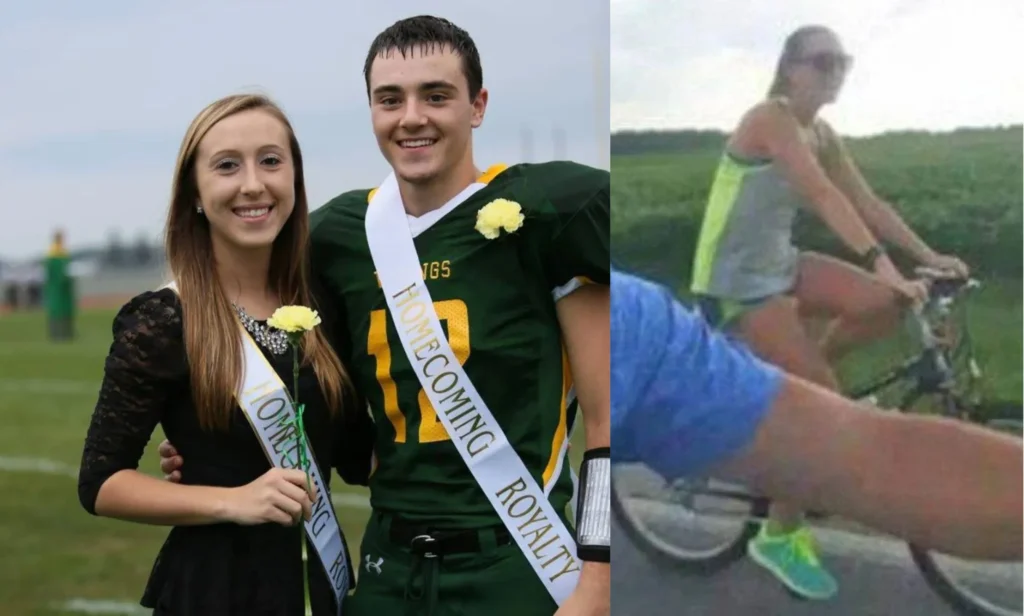
On July 19, 2016, Sierah left home around 5 p.m. and bicycled about seven miles to Josh Kolasinski’s house. Her mother left shortly afterward for evening classes in town. Sierah arrived excited to show Josh the bicycle, and the two spent a short time together before starting a return ride.
Josh traveled beside her on his motorcycle while she rode the bicycle.
They followed narrow rural roads bordered by cornfields. During the ride, Josh recorded brief Snapchat videos of the two of them riding and talking. As they approached the area near Sierah’s home, she stopped with less than a mile remaining and told him he could turn back.
Josh hesitated but accepted her request after she indicated she could reach home on her own. They said goodbye, and Josh turned his motorcycle around while Sierah continued alone toward her house.
Within minutes, Sierah heard a motorcycle approach from behind. A different motorcycle passed her on the road. No further confirmed sightings of Sierah occurred after that point.
Josh arrived home and expected Sierah to text when she got inside her house. He sent messages and received no reply. He initially assumed she was occupied at home and did not interpret the silence as an emergency. He spent the evening with a friend and continued to send messages. None were answered.
The time Sierah was last known to be riding home alone was approximately 6:45 p.m. The remaining distance was short enough that she would normally have arrived soon after. As the evening continued, the lack of contact became more concerning, setting the stage for a search that began only hours after the ride ended.
When the calls stop
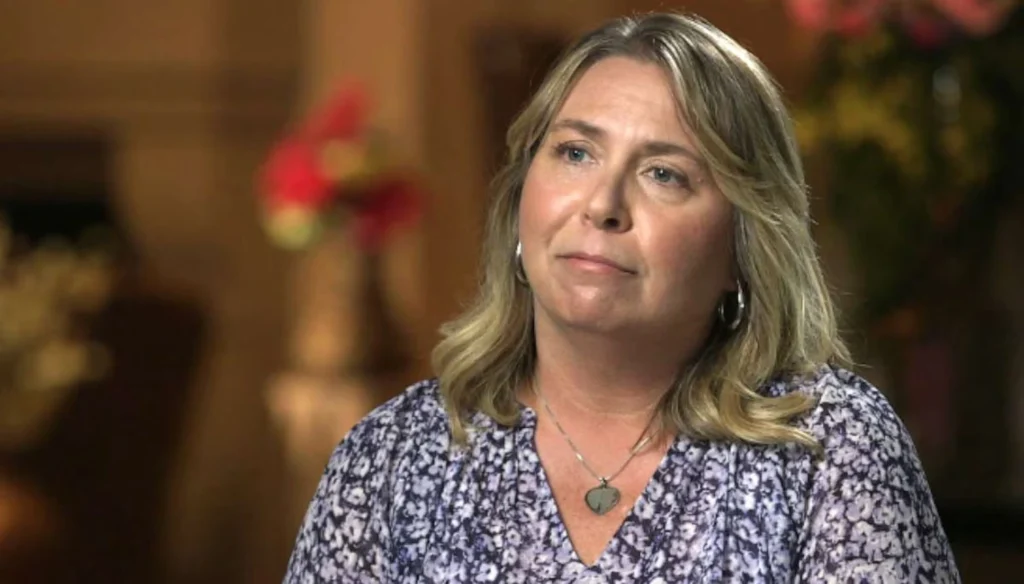
Sheila returned home at about 9 p.m. and noticed Sierah’s bedroom light was not on. She did not immediately check the room, believing Sierah might still be out or possibly staying elsewhere. As the night progressed without communication, concern increased.
At about 10:30 p.m., Josh called Sheila to ask whether she had heard from Sierah. He explained that he had tried to reach her for hours and had not received a response.
He also stated that Sierah had left him on the road and continued alone toward home earlier in the evening. The call made clear to both that Sierah’s absence was not normal for her routine.
Josh drove to Sierah’s home, and he and Sheila began searching in separate vehicles along the route Sierah would have taken.
The initial concern centered on the possibility of a crash, an injury in a ditch, or a collision with farm equipment or trucks that used the same roads. The area was dark, with limited lighting beyond vehicle headlights. They did not locate Sierah or the bicycle.
The family contacted authorities within about 30 minutes of searching. Officers responded promptly, treating the situation as urgent because Sierah was expected home shortly after leaving Josh and had not communicated.
Some officers searched roads and ditches while others remained at the home to gather details. Josh provided the Snapchat videos, which helped identify Sierah’s clothing: a neon yellow tank top and black shorts with neon yellow striping.
Officers also noted she wore a Fitbit band in the videos and looked for ways to use devices to help locate her.
As the search continued into the night, investigators focused on the last known stretch of road where Sierah had separated from Josh and would have been traveling alone.
The road turns into a crime scene

Around midnight, an officer searching along the route noticed a section of corn stalks pushed down beside the roadway. The pattern suggested a narrow path leading into the field.
The officer entered with a flashlight and detected a strong smell of gasoline. On the ground, he found a small green fuse box consistent with a vehicle part. He then backed out and searched the roadside area more broadly.
Nearby, he located a pair of men’s sunglasses. While scanning with his flashlight, he saw a reflection deeper in the cornfield and discovered Sierah’s bicycle. It was upright on its kickstand and positioned in a way that indicated it had been moved into the field to conceal it rather than left by accident.
With the bicycle located but Sierah missing, investigators shifted to an abduction investigation. The FBI was called to assist, and the road was closed to preserve evidence and expand the search.
When agents examined the bicycle more closely, they found blood on the seat and handlebars. In daylight, additional items were recovered in the same area: a green sock and women’s sunglasses identified as Sierah’s, and an orange-handled screwdriver with dried blood.
The volume of blood present did not indicate a fatal injury at the scene, but it supported the conclusion that a struggle had occurred.
Investigators also documented a single tire track thicker than a bicycle tire that ran down into a ditch toward the corn line. Community members joined organized searches, and hundreds gathered to help.
During canvassing, a local woman reported that she had seen a bicycle on the roadside earlier in the evening and a man in red shorts crouched a few rows into the cornfield.
Another resident, a farmer, reported finding a motorcycle helmet near the roadway on the day Sierah disappeared and had placed it in his truck. Investigators observed reddish smears and fingerprint marks on the helmet consistent with blood.
The track evidence and helmet increased attention on the possibility that the abductor used a motorcycle.
A name investigators already knew
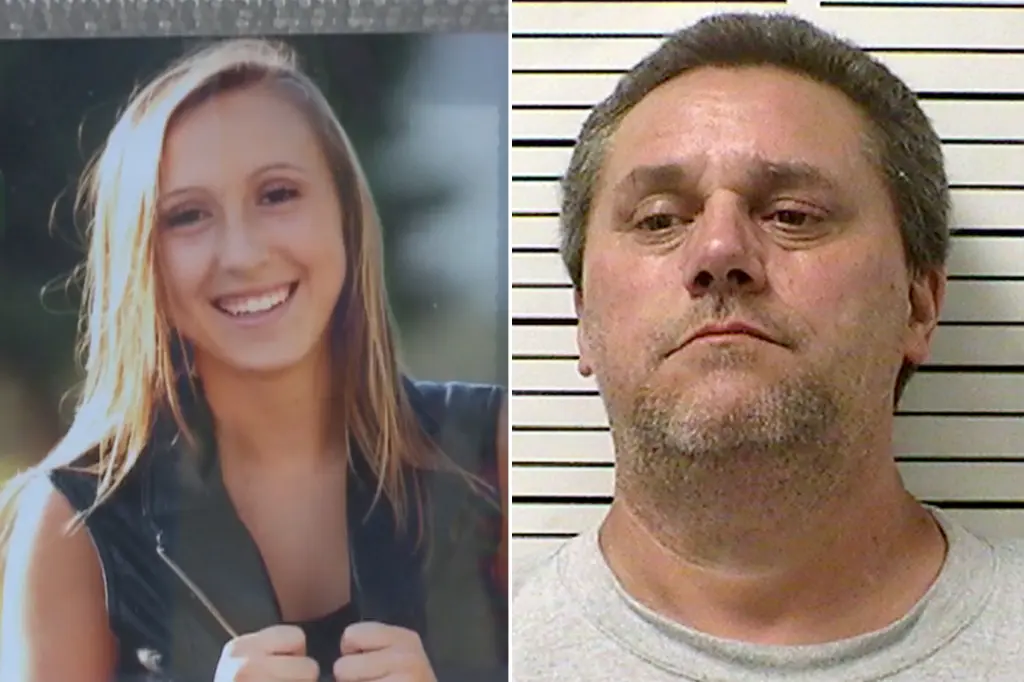
Investigators considered the likelihood that the suspect traveled by motorcycle and began reviewing local records for violent offenders in the area. One individual identified during this process was James Worley, who lived a few miles from where Sierah’s bicycle was recovered.
Worley was born on April 8, 1959, in Tacoma, Washington, and later lived in Ohio. His criminal history included marijuana-related offenses and a major violent case from 1990.
On July 4 of that year, Robin Gardner was bicycling near her home when Worley drove a truck behind her. The truck struck the bicycle’s rear tire, throwing Gardner into a ditch. Worley approached, and when Gardner looked away toward her bicycle, he hit her in the head with a hammer.
He used a chokehold and held a screwdriver to her throat, forcing her into the truck. He handcuffed her wrist and tried to restrain her further. A motorcyclist approached, creating a distraction that allowed Gardner to escape and get help.
Worley was arrested, convicted of attempted kidnapping and assault, and sentenced to six to ten years in prison. He was released after about three years.
In 1996, Worley was questioned in the disappearance of Claudia Tinsley after she left a festival with him in his van. He stated they had a consensual sexual encounter and parted ways afterward. A search of his property did not produce evidence in that case.
On the morning of July 21, 2016, investigators went to Worley’s home. He was defensive at the door but permitted them to enter and look around. During the interview, he volunteered that he had been riding his motorcycle on the same road where evidence had been found.
He said the motorcycle stalled and that he pulled over to work on it. He also claimed he saw two bicycles lying in a ditch and briefly considered taking one. He stated he walked through corn and lost several items, including a helmet, a screwdriver, a fuse box, and sunglasses. Agents observed scratches on his arms and bruising on his legs.
While one team continued questioning, others sought a warrant for a more thorough search of the property.
What the warrant uncovered
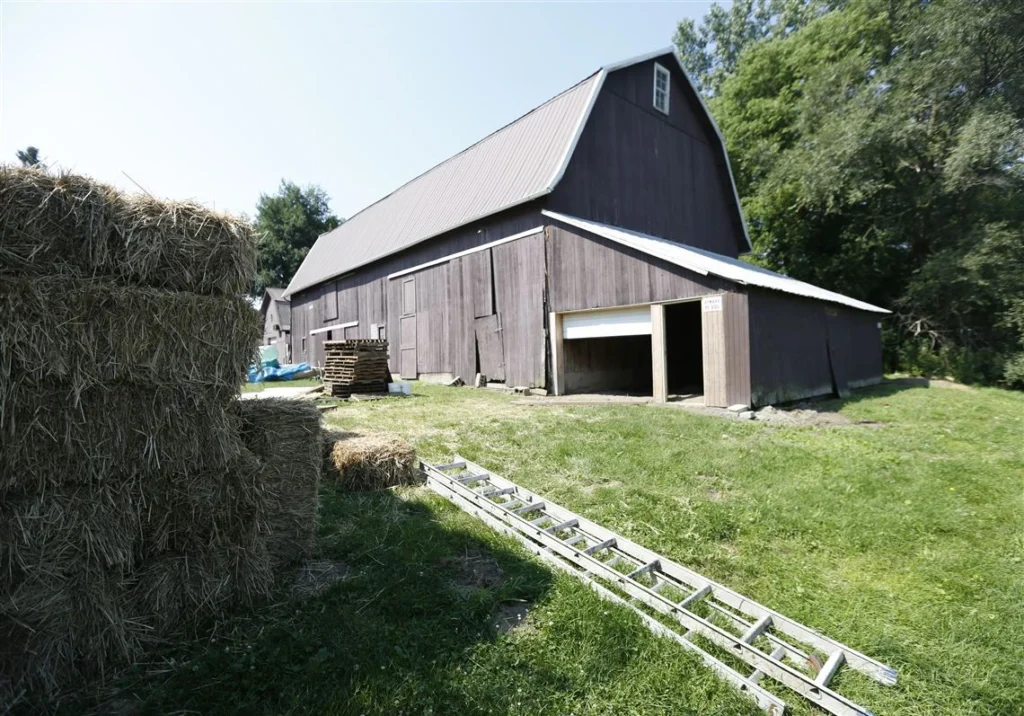
With a search warrant, investigators conducted a detailed search of Worley’s property, including a barn and vehicles. Inside the barn, they found hay bales stacked in a way that resembled a raised frame, with an open space where a mattress would normally be.
A piece of plywood leaned against a wall concealed a partially deflated air mattress. The interior of the barn door was painted black.
At the end of the hay arrangement, investigators located a long green crate. Inside were bondage items and multiple sealed bags containing lingerie and clothing, each labeled. One pair of purple underwear showed staining consistent with blood.
Elsewhere in the barn, investigators recovered duct tape, a nanny-style camera, rubber gloves, adult diapers, blankets, socks, shovels, paper towels, straw, knives, firearms, and ammunition.
Another piece of plywood on the floor had holes cut into it; beneath it was a freezer buried in the ground and secured with a strap. The freezer’s interior was lined with dirty carpet, and a strong bleach odor was present. Worley stated the freezer was used to store marijuana.
Investigators then searched two vehicles on the property. In both, they found materials that included zip ties, gloves, handcuffs, rope, tape, and ski masks. Based on the evidence collected, authorities arrested Worley on an abduction charge while continuing efforts to locate Sierah.
In questioning, he claimed the barn setup was for an adult film production plan and said he bought lingerie as gifts for women.
Investigators searched the property further, including the attic, insulation areas, and a pond, and used trained dogs to detect human remains. A nearby farmer participating in the search found disturbed earth resembling a shallow grave; it was empty.
A wider search of the same cornfield followed, including aerial support and dogs.
On July 22, investigators located a second disturbed mound about 200 yards from the first. A dog alerted at the site. After careful excavation, they recovered Sierah’s body.
She was found facedown with straw in her hair, restrained with handcuffs and bindings that connected her wrists to her ankles. She wore lingerie and an adult diaper, and a large rubber dog toy was forced into her mouth and secured with rope around her head.
The medical examiner determined Sierah died of asphyxiation caused by the obstruction in her airway. Injuries included head trauma, fractures, and leg bruising. Authorities later indicted Worley on 19 counts, including murder, aggravated murder, kidnapping, and related offenses.
Court results and what followed
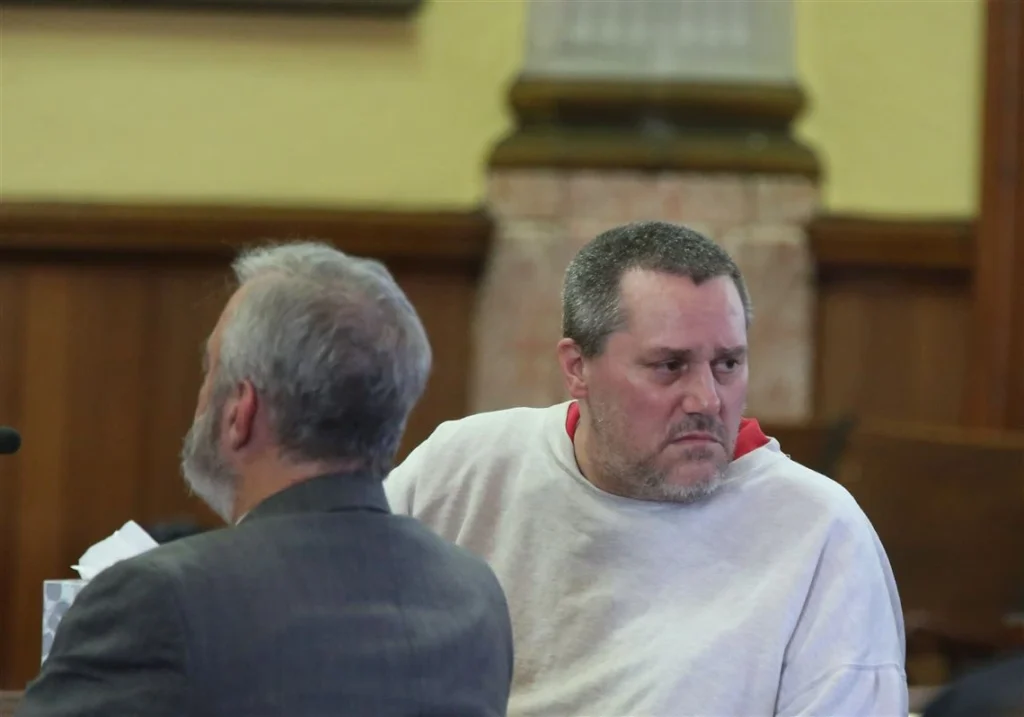
Prosecutors brought the case to trial in March 2018. Evidence presented included DNA testing that linked Sierah to Worley’s motorcycle helmet. Investigators also presented findings that a glove recovered at the burial site contained a mixture of Sierah’s and Worley’s DNA.
Additional testing connected Sierah’s blood to items recovered in the barn, including the stained underwear, and identified her DNA on items such as a paper towel, duct tape, and materials associated with the air mattress and crate.
The state introduced evidence that adult diapers recovered from the property matched the type used on Sierah. A blanket in the barn contained semen consistent with Worley’s DNA.
Investigators also presented computer evidence showing that, on the day Sierah disappeared, Worley viewed violent pornography and searched for terms involving restraint, force, and strangulation. Purchases connected to lingerie were also documented.
Cell phone records placed Sierah’s and Worley’s phones in the same area at the same time on two occasions during the night she vanished. A key on Worley’s keychain matched the key attached to the handcuffs found on Sierah.
Testimony and records showed Worley called his brother, Mark, for help after the motorcycle stalled, undermining Worley’s claim that he returned alone.
Surveillance video from an Evergreen High School security camera showed a motorcycle passing during the relevant time window and later captured a vehicle resembling Worley’s truck returning to the area.
The defense emphasized DNA from an unidentified male found under Sierah’s fingernails, argued the burial could not have been completed alone in the available time, and questioned a witness description involving red shorts. The prosecution called Robin Gardner to describe the 1990 attempted abduction.
A jury found Worley guilty on all counts on March 26, 2018, and recommended that he receive the death penalty. The judge formally imposed the sentence on April 16, 2018, initially setting his execution for June 3, 2019, though it was later delayed due to ongoing appeals.
By 2021, those appeals had been denied, and a new execution date was scheduled for May 20, 2025. However, on the day the execution was set to take place, it was halted after the defense filed pending motions. The case remains under review, and no new execution date has been scheduled.
After the criminal case, Sierah’s family pursued a wrongful death suit to obtain Worley’s estate.
Josh Kolasinski later founded Keep Our Girls Safe to provide free self-defense classes, and Tara Joughin founded Justice for Sierah, which helped develop the Sierah Strong safety curriculum and supported a state law passed in December 2018 to expand access to information on violent offenders. Josh later became a paramedic and married in August 2021.