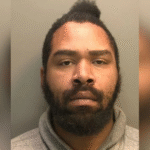
On November 25, 2017, 22-year-old Tess Richey vanished after a night out in Toronto. Four days later, her mother found her body in a stairwell just steps from where she was last seen.
A Young Woman with Big Dreams
Born on the last day of November in 1994, Tess Richey spent her early years in North Bay, Ontario. She was the baby of the family, with four older sisters who watched over her. Life in the small northern Ontario city was comfortable, but Tess wanted more than what North Bay could offer.
At nineteen, she packed her belongings and headed south to Toronto. The city represented everything she dreamed about: opportunity, excitement, and a path toward the career she wanted.
Tess enrolled at Seneca College and threw herself into the Flight Services program. Her goal was simple and clear. She wanted to work as a flight attendant and see the world from above the clouds.
People who knew Tess described her as someone who gave everything to the people and causes she cared about. She worked multiple jobs to support herself, spending most of her time behind the counter at a downtown coffee shop.
When she wasn’t working, she ran marathons to stay fit and took photographs to capture moments that mattered to her. Two dogs, Phil and Pearl, filled her apartment with noise and companionship.
The airline applications she submitted didn’t produce the results she hoped for. Hotels didn’t call back either. Rather than give up, Tess adjusted her strategy. She began studying Italian, thinking that European airlines might offer better opportunities. Her apartment filled with language books and travel guides about Italy.
Years before moving to Toronto, Tess experienced something that shaped how she viewed relationships and trust. In a YouTube video posted in February 2014, she talked about surviving domestic violence.
She spoke directly to the camera, explaining that she made the video because when she was going through abuse, she searched everywhere for someone who understood what she was feeling. She never found that person, so she decided to become that person for someone else.
A Bad Breakup and a Night Downtown
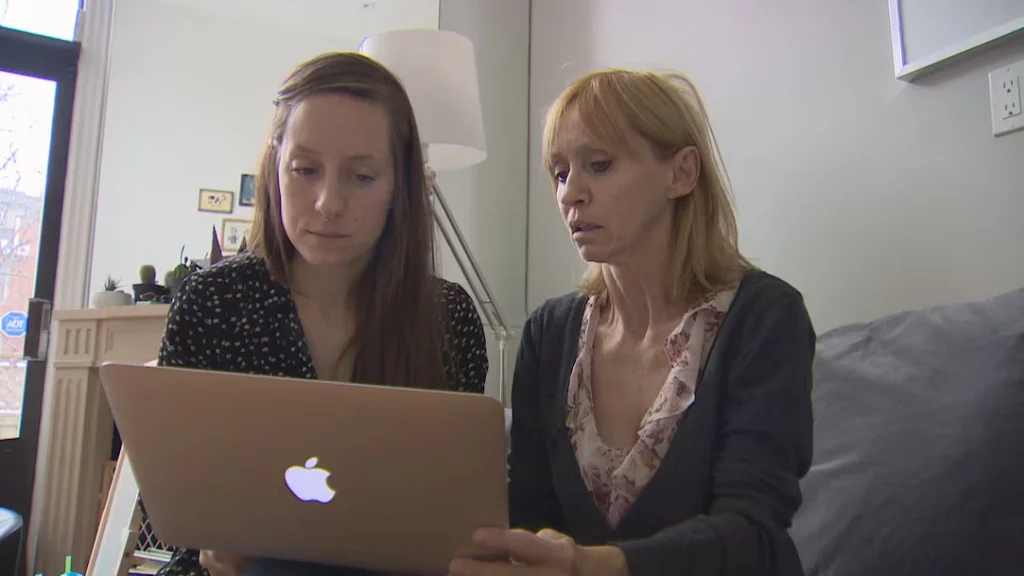
The relationship ended on November 23, 2017. Tess felt the breakup deeply, the kind of emotional pain that makes food taste like cardboard and sleep impossible to find. The next day, she showed up at her sister Rachel’s house in Midtown Toronto, looking for the kind of comfort only family can provide.
Rachel took one look at her youngest sister and knew exactly what she needed. They spent the entire day together on November 24th. They walked through shops without buying much, sat at the dog park watching the animals play, and talked about why relationships fall apart. Rachel cooked a meal, though Tess could barely force herself to eat more than a few bites.
Despite feeling terrible, Tess had made plans for that Friday night. Ryley Simard, a friend from high school, had agreed to meet up. Maybe dancing and drinks would help shake off the sadness. Around half past eleven, Rachel’s partner called an Uber to take Tess downtown.
Rachel stood at the window and watched her little sister jog down the walkway toward the waiting car. That image would play in Rachel’s mind thousands of times afterward: Tess running, her hair bouncing, disappearing into the backseat.
The Uber dropped Tess at Cruz and Tango on Church Street shortly after midnight. She pulled out her phone and sent Rachel a quick message confirming she arrived safely. This was routine for them. Whenever one sister went somewhere, she texted the other to say she made it. That message came through at 12:03 a.m. It was the last time Rachel heard from her sister.
The next morning arrived with sunlight and silence. Rachel sent a text at 8:45 asking how the night went. The message showed as delivered but never read. Hours crawled by without a response. By evening, Rachel felt genuine alarm growing in her chest. She logged into the Fitbit account she shared with Tess and their mother, hoping to see recent activity.
According to CBC, The data showed something odd. Tess walked approximately three hundred steps sometime after three in the morning, then nothing. Rachel also discovered that someone requested an Uber at 4:00 a.m., but the ride was cancelled before the driver arrived. None of it made sense. That night, Tess was officially reported missing.
Four Days of Searching
Christine Hermeston received the call about her missing daughter while at home in North Bay. On November 27th, she climbed into her car and drove the four-hour trip to Toronto, covering nearly two hundred and fifty miles. Other family members made the same journey.
The family turned the Church and Wellesley neighborhood into their mission. They printed hundreds of posters with Tess’s photograph and stapled them to telephone poles. They stopped strangers on sidewalks and handed them flyers. They walked into stores and restaurants asking if anyone had seen the young woman in the picture.
Nobody had useful information. The hours turned into days, and hope began feeling like something fragile that might shatter at any moment.
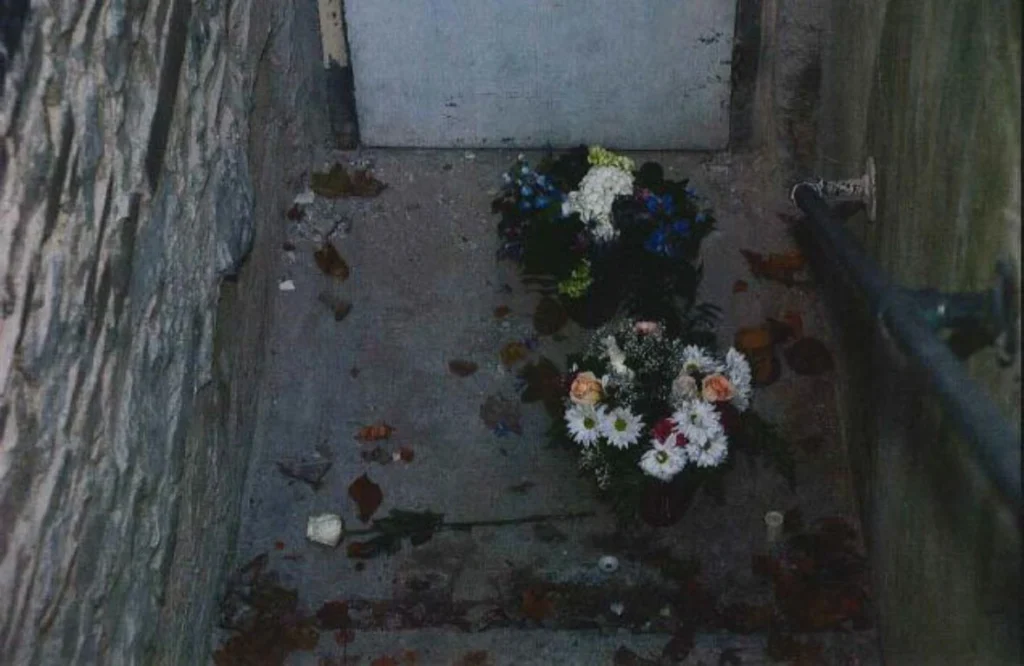
November 29th arrived cold and gray. Christine and a close family friend decided to examine an area near where Tess was last spotted. They approached a house that was shut down for renovations, located just two doors from the bar. A narrow stairwell ran down the side of the building toward a basement entrance.
The friend walked ahead and stopped suddenly at the top of the stairs. She stood completely still, staring downward. Her brain struggled to process the information her eyes were sending. Then understanding hit, and she stumbled backward, yelling for Christine to stop.
But Christine had already moved forward. She looked down into the stairwell, and her world collapsed. Her daughter was lying at the bottom. The screams that came out of Christine were the sounds of a mother’s heart breaking in real time.
What made the discovery even more agonizing was knowing that police had supposedly searched this area already. Officers had walked past this exact location while Tess lay dead just feet away. It took a desperate mother to find what trained investigators had missed.
Building the Case
Police initially treated the death as accidental. When they examined the body at the scene, they found no obvious signs of trauma or violence. But on December 1st, the medical examiner completed an autopsy that changed everything. The cause of death was neck compression. Someone had strangled Tess Richey. The case was immediately transferred to homicide detectives.
Investigators fanned out across the neighborhood, collecting surveillance footage from every camera they could access. They interviewed anyone who had been in the area that weekend. Ryley came in and walked detectives through the entire night.
She explained that security threw them out of Cruz and Tango around two in the morning for being too intoxicated. They bought hot dogs from a street vendor on Wellesley Street. A man approached them there and started walking alongside them. The three of them stopped on Dundonald Street and talked with a man and woman who were standing outside a house.
Detectives tracked down the woman from that conversation. She told them she was smoking outside with a friend around three-thirty in the morning when the trio walked past. They struck up a conversation that lasted several minutes.
The woman remembered that Tess seemed upset about a breakup, and the unknown man was saying things to try to comfort her. She couldn’t describe the man very well because he didn’t stand out in any particular way.
Around four o’clock, Ryley’s boyfriend sent her a text asking her to come home. Ryley said goodbye to Tess and headed toward Yonge Street. That left Tess alone with a stranger she had met only hours earlier.
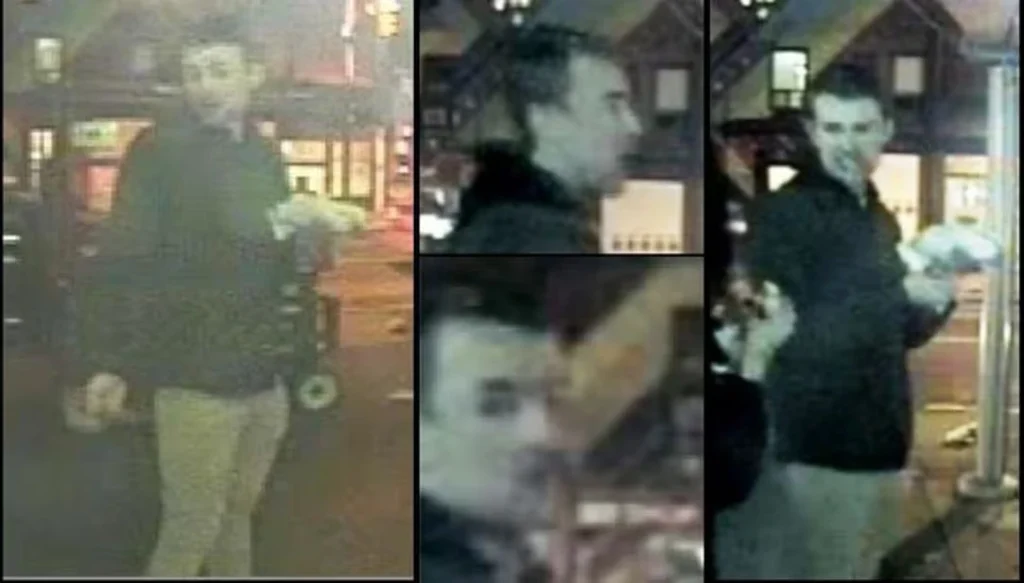
The surveillance footage detectives collected told a disturbing story. Cameras captured Tess and the unidentified man walking together toward 582 Church Street. They were holding hands. The footage showed them turning into an alley and descending into a basement stairwell. Forty-five minutes passed. Then the man emerged alone and walked away, moving differently than he had before, hugging close to a fence.
Police released still images of the man to media outlets and asked the public for help identifying him. The response came faster than anyone expected. That same evening, a man called the police and identified himself as the person in the photographs.
Arrest and Charges
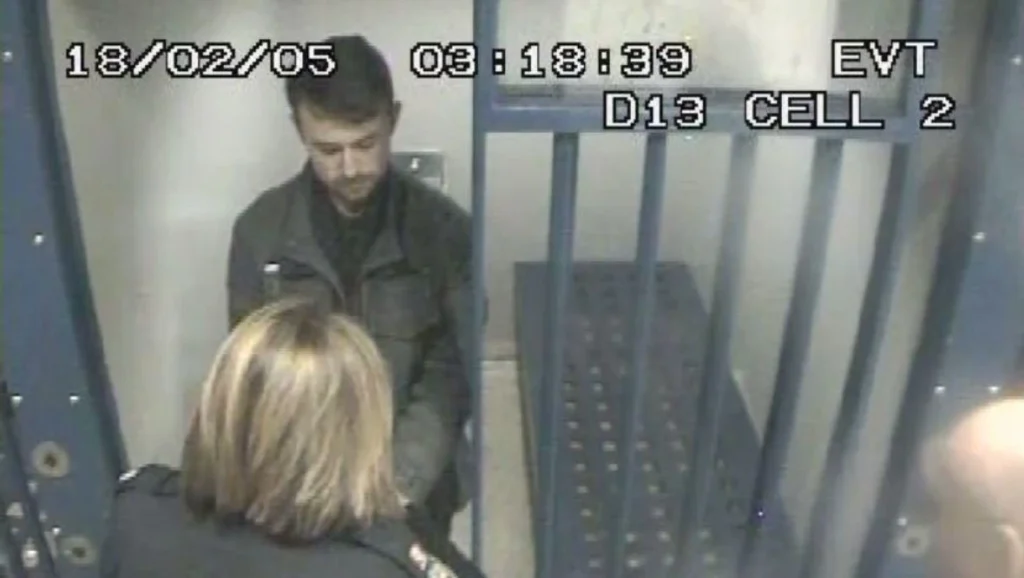
Twenty-one-year-old Kalen Schlatter arrived at the police station with his parents and younger brother. Detectives brought him into an interview room, but he refused to answer questions. He sat silently while investigators tried different approaches. Nothing worked. He was determined not to say anything.
His parents, trying to be supportive, brought food and water for their son during the long interview process. After Kalen drank from a water bottle, detectives quietly collected it once the family left. They sent the bottle to the forensic laboratory for DNA testing.
The results came back definitive. DNA recovered from the saliva on the water bottle matched saliva and semen found on Tess’s clothes. Police arrested Kalen and charged him with second-degree murder, the CTV News reports.
The arrest shocked people who knew him. Kalen had no criminal history. The previous year, newspapers actually called him a hero after he intervened during an attack at a local park.
He heard someone calling for help, discovered a man beating another man with a hammer, yelled that he had called police, and stayed with the injured victim until paramedics arrived. The incident made him look like exactly the kind of person who would help someone in trouble, not hurt them.
After booking Kalen, police placed him in a holding cell. What he didn’t know was that the two men in the cell next to him were undercover officers. Thinking he was talking to fellow inmates, Kalen started bragging. He talked about playing card games and his success with women. He claimed to have slept with more than forty different women.
Detectives followed up by interviewing several of his former girlfriends. The conversations revealed concerning patterns in how Kalen treated women. When investigators examined his phone records and search history, they found multiple searches related to violent and non-consensual content.
Further investigation revealed something crucial that changed how prosecutors viewed the case. Kalen hadn’t randomly met Tess on the street. Surveillance footage from inside Cruz and Tango showed Kalen in the same bar that night, just minutes before security ejected Tess and Riley. He had been watching them.
On March 21st, prosecutors upgraded the charge from second-degree murder to first-degree murder, indicating they believed Kalen planned the killing.
The Trial
January 13, 2020, marked the beginning of Kalen Schlatter’s trial. Prosecutors expected the proceedings to last approximately six weeks. The courtroom filled with Tess’s family members, journalists, and concerned citizens who had followed the case.
The defense team tried arguing that someone else could have attacked Tess after Kalen left the stairwell. They even suggested an alternative suspect. Prosecutors presented evidence showing police had thoroughly investigated that person and found absolutely nothing connecting them to Tess’s death.
When Kalen took the witness stand, he offered his version of what happened that night. He claimed that he and Tess connected over their recent breakups. According to him, they had a deep conversation about relationships and heartache. He said Tess was so engaged in listening to his story that she ignored a phone call.
Prosecutors immediately attacked this claim. They had Tess’s complete phone records. No calls came in during the time period Kalen described. He was lying under oath.
Kalen continued his testimony, claiming Tess asked to kiss him. He said they went to the stairwell at her suggestion and kissed for an extended period. When he wanted to do more, she told him no. He testified that he asked her to come to his house, she declined, and he left. According to his story, Tess was completely alive and unharmed when he walked away.
The prosecution methodically destroyed this narrative. They pointed out that Tess had requested an Uber, which arrived while Kalen was still in the stairwell with her. Why would she call for a ride and then tell him to leave without her?
They showed the jury surveillance footage of Kalen exiting the stairwell with body language completely different from when he entered. He moved slowly, pressed against the wall, looking around nervously.
Rachel took the stand and described November 24th in detail. She talked about spending the afternoon with her sister, trying to comfort her through the breakup. She told the jury about watching Tess run to the Uber that night. Then she described November 29th, when she got a text from her mother with a photo of a construction site. Minutes later, her phone rang. Her mother was screaming that she found Tess, and no, she wasn’t alive.
Rachel broke down completely while testifying. The courtroom sat in heavy silence as she cried. Kalen showed almost no emotion while listening.
Verdict and Its Aftermath
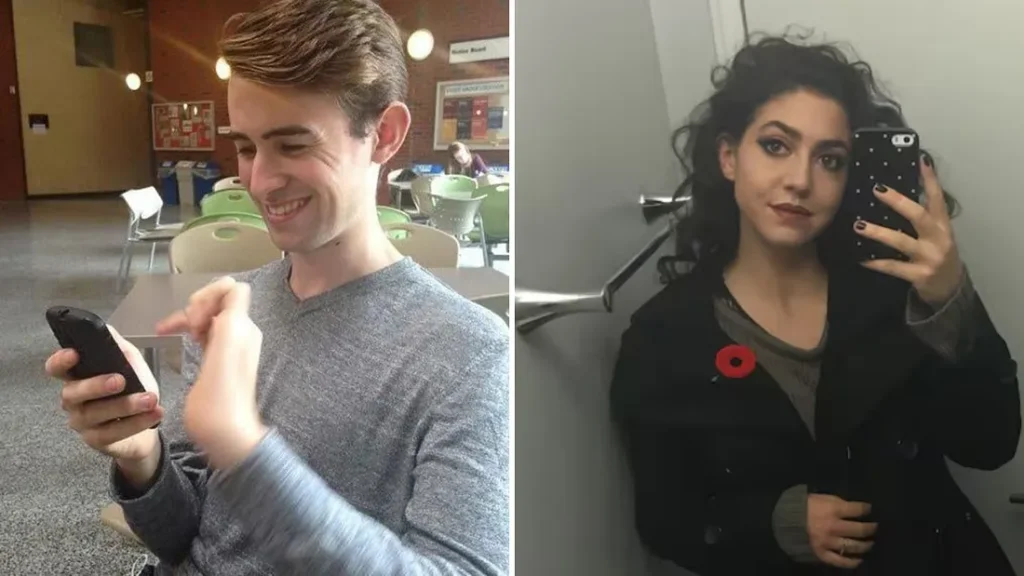
After hearing all the evidence and testimony, the jury deliberated and reached a decision. On March 23, 2020, they found Kalen Schlatter guilty of first-degree murder. The judge sentenced him to life in prison with no possibility of parole for twenty-five years.
Christine addressed the court after the verdict. She spoke about how Kalen hadn’t just killed her daughter. He had destroyed their entire family’s future. Tess was supposed to become a flight attendant. She was supposed to travel and fall in love again and maybe have children someday. Kalen took all of those possibilities and erased them in one violent act.
Christine described Tess as her best friend, her baby, the kindest person she knew. She said Tess never hurt anyone in her entire life. The fact that someone hurt her in such a terrible way would never make sense.
The family filed a twenty-million-dollar lawsuit against Kalen, the Toronto Police Service, and Cruz and Tango. Christine made it clear that no amount of money could replace Tess or ease their pain. But the lawsuit might accomplish other things.
It might pay for the therapy they would all need for the rest of their lives. It might create some way to honor Tess and prevent similar tragedies from happening to other young women, per Sadbury.
The Toronto Police Service faced serious questions about how officers handled the initial missing person report. In June 2018, two constables were charged with misconduct and neglect of duty.
According to the charges, these officers received information about where Tess was last seen but failed to properly search the area, canvass the neighborhood, or notify their supervisors. Tess’s body lay in that stairwell for four days while police supposedly searched. Both officers received disciplinary action but kept their jobs. There was no further public information released about their cases.