In 1976, a family home in Maryland became the center of a case that still isn’t solved. William Bradford Bishop Jr., a U.S. diplomat, vanished after his wife, mother and three sons were found dead.
Growing up
William Bradford Bishop Jr. was born in 1936 in Pasadena, California. He was an only child and from a young age, he stood out as smart, active and driven. In school, he did well in class and played sports. He liked learning, especially history and languages. Teachers and classmates remembered him as focused and confident.
After high school, he went to Yale University. That alone says a lot about how serious he was about success. He later studied Italian and African studies, adding more skills to his growing list. He didn’t just study from books. He liked the outdoors too. Hiking, camping, skiing and learning to fly all fit into his life.
After college, Bishop joined the U.S. Army. He trained in intelligence work and learned more languages. His time in the military shaped him. He became organized and used to pressure.
When he left the Army, he moved into the U.S. Foreign Service which was a big step. It meant working overseas and representing the United States in other countries.
On paper, Bishop’s life looked strong. Good schools, a respected career and lots of skills.
Life at Home Looked Normal
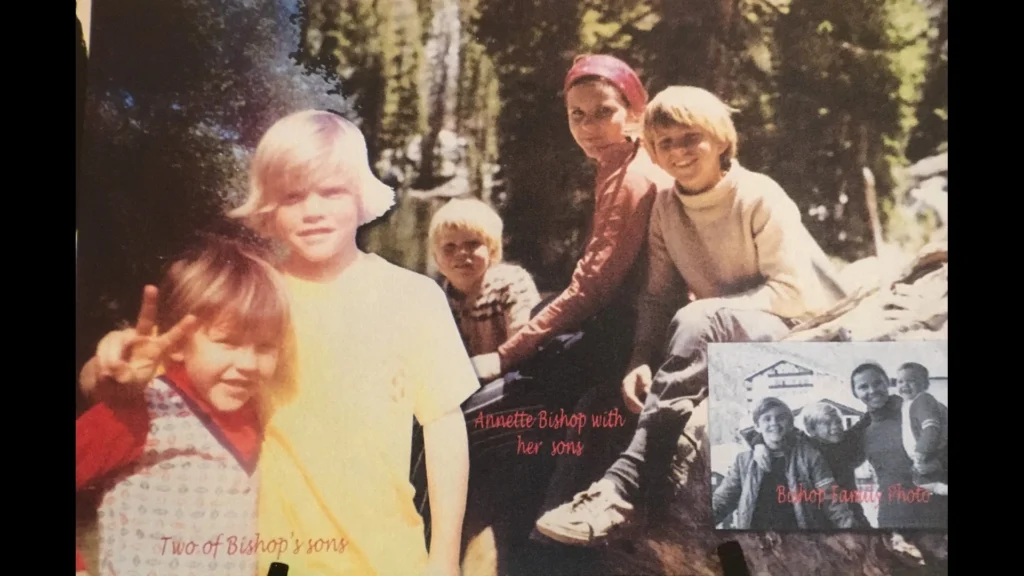
According to WBIR, Bishop married Annette, a woman he had known since his younger years. They built a family together and had three sons. Because of Bishop’s job, the family moved often. They lived in places like Italy and parts of Africa before settling in Bethesda, Maryland, in the mid-1970s.
From the outside, the family seemed normal. The kids went to school. They swam, played and followed routines. Bishop spent time with his sons outdoors. Neighbors saw a father who camped, hiked and stayed involved. The family even had a dog, Leo, who was often seen on walks.
But behind closed doors, things were more tense. Bishop cared deeply about his career. He wanted promotions and overseas postings that matched his effort and education.
When those things didn’t happen, he felt stuck. He had been treated for depression and had trouble sleeping for years. Money wasn’t falling apart but there were worries. His mother had helped with the house. There was stress from taxes and bills.
His mother was visiting the family at the time and their relationship was not easy. Bishop also felt pressure from work. He wanted respect and advancement. Instead, he felt overlooked. These pressures didn’t explode all at once. They built up slowly, like water behind a wall.
By early 1976, coworkers noticed changes. He seemed more irritable and snapped more easily. Still, no one imagined what would happen next.
The day everything fell apart
March 1, 1976, started like a normal workday. Bishop went to his office in Washington, D.C. That morning, he learned he had not received a promotion he expected. A coworker got it instead. For Bishop, this felt crushing. People noticed he looked upset and tense.
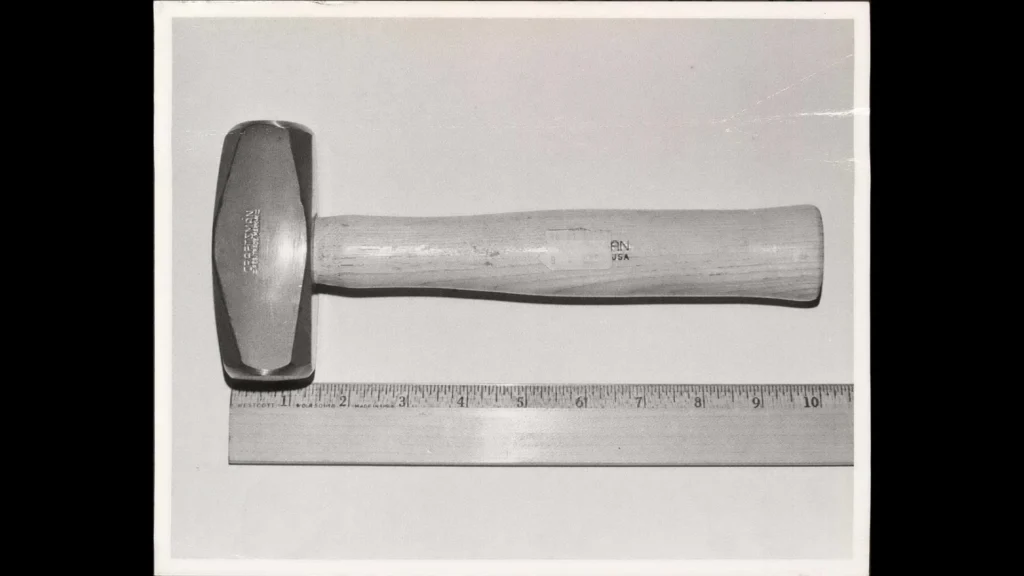
Later that day, he told his secretary he wasn’t feeling well and left early. Instead of going straight home, he stopped at a store near the mall. There, he bought a short-handled sledgehammer and a gasoline can. He paid in cash. At the time, no one questioned it. Later, this stop became one of the most important parts of the case.
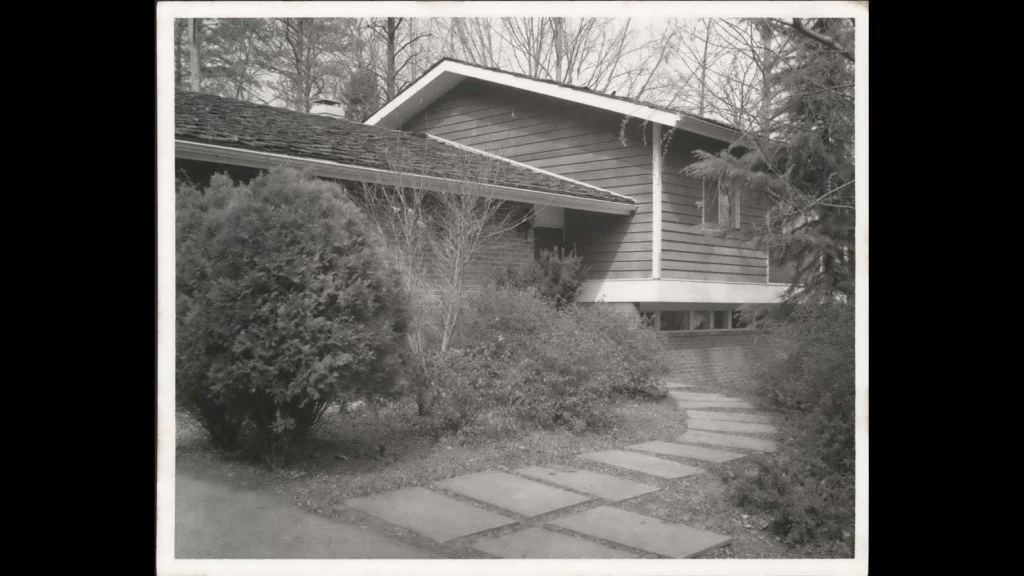
That evening, Bishop returned to his home in Bethesda. His wife, Annette, was there and three sons were home too, getting ready for bed. His mother was staying in the basement. The house was quiet and nothing seemed out of place from the outside.
What happened inside the house that night was later pieced together by investigators. Based on evidence, the children were attacked first in their bedrooms. They were still in their pajamas. After that, Annette was attacked in the master bedroom. Finally, Bishop went to the basement where his mother was staying.
There were no signs of a struggle that involved outsiders. No forced entry. Everything pointed inward, toward someone who knew the house well.
When it was over, the house held clear signs of what had happened. But no one knew yet. Bishop was already moving on to the next step.
Moving the bodies and disappearing
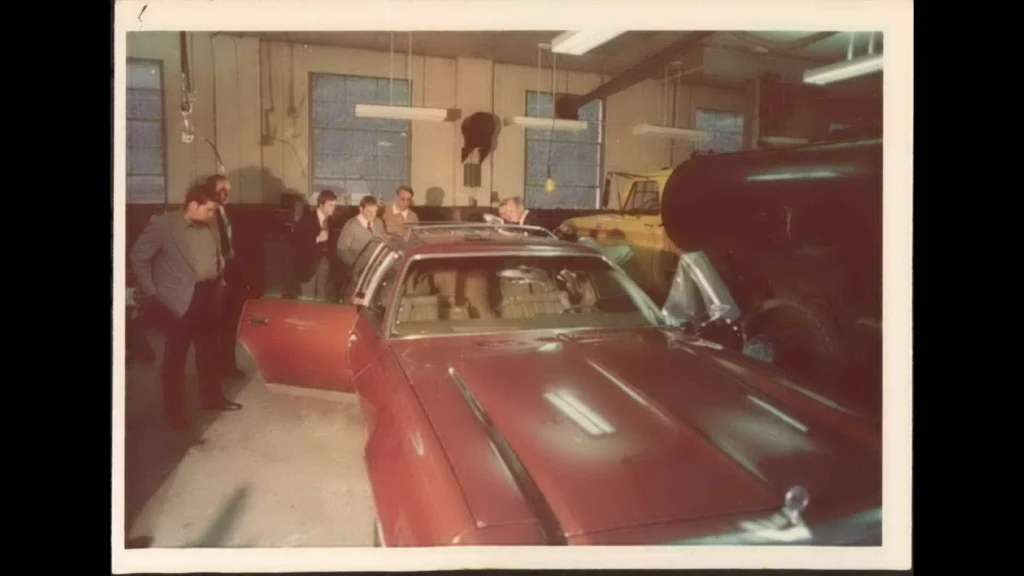
After the attacks, Bishop did not call for help. Instead, he began cleaning and planning. Investigators later found blood evidence throughout the house, showing bodies had been moved. One by one, he dragged them outside and loaded them into the family station wagon.
Late that night, he drove away from Maryland and traveled hundreds of miles south, crossing state lines. By early morning on March 2, he reached a remote wooded area in North Carolina. It was quiet and far from busy roads.
There, he dug a shallow grave using tools he had with him. He placed the bodies inside, poured gasoline over them and set them on fire. The fire burned but not completely. He left the site and continued moving, the NBC Washington reports.
A few days later, a forest ranger noticed signs of burning and investigated. That’s when the remains were found. Identification took time but it soon became clear who the victims were.
Meanwhile, Bishop kept going. His car was later found abandoned in the Great Smoky Mountains National Park in Tennessee. Inside were items linking it directly to him and the family. After that point, Bishop was never confirmed seen again.
From one day to the next, a husband, father and diplomat had vanished. The search began immediately.
The investigation and nationwide hunt
Once the bodies were identified, police and the FBI moved fast. Bishop’s home was searched. Blood evidence was found in several rooms, a sledgehammer was recovered and receipts showed his purchases on the day of the attacks. Bank records showed he withdrew cash shortly before leaving work.
Everything lined up. There was no sign that anyone else had been involved. Bishop was named the main suspect and a grand jury charged him with five counts of murder.
The FBI issued alerts across the country and border checks were put in place. Because Bishop had worked overseas and spoke several languages, investigators feared he could leave the country quickly. Tips began pouring in.
Over the years, there were reported sightings in many places. Some people thought they saw him in the southern United States, while others believed he was in Europe. Sweden, Italy, Switzerland and France all came up at different times. Each lead was checked but none were confirmed.
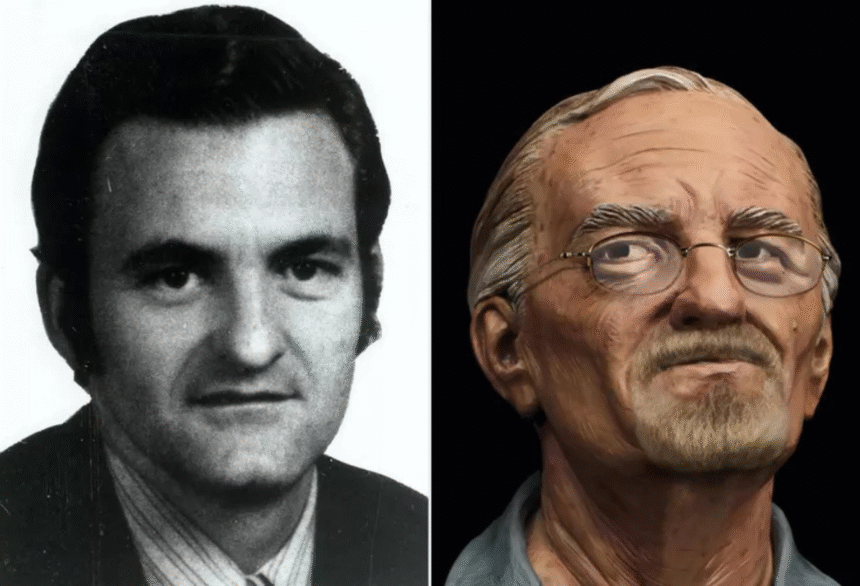
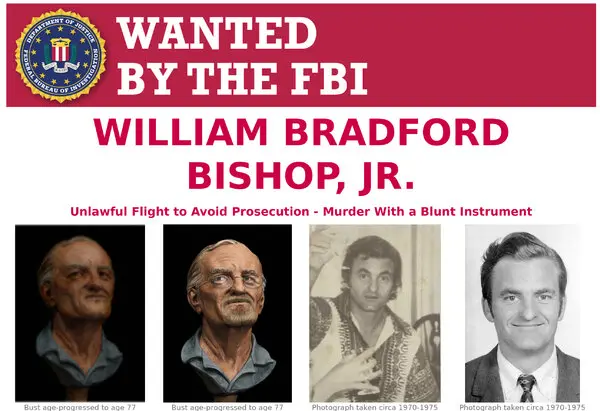
In 2014, decades after the crimes, the FBI placed Bishop on its Ten Most Wanted list to renew public attention. New age-progressed images were released. Even then, no solid lead followed.
In 2018, he was removed from the list because of his age, not because the case was closed. The charges still stand and the search never officially ended.
Why investigators think he did it
Investigators didn’t just look at evidence, they also studied Bishop himself. They looked at his behavior, his past and the stress he was under.
Bishop had a history of depression and trouble sleeping. He drank alcohol regularly and was described as neat, controlled and proud. When things went wrong, he took them hard. The denied promotion hit him deeply and he believed his career was slipping away.
There were also family pressures. Money concerns, tension with his mother and frustration at home. None of these alone explain what happened but together they paint a picture of someone who felt cornered.
Experts later described the case as an example of a family annihilator. That term is used when someone kills close family members during a personal crisis. The actions after the crime, like planning the drive and hiding the bodies, showed organization. The acts inside the home showed intense anger.
Years later, DNA testing linked Bishop to a previously unknown daughter. This gave investigators new genetic information. Still, it did not lead to his capture, per Wikipedia.
Whether Bishop planned to disappear forever or expected to end his life has never been proven. What is clear is that he prepared carefully and vanished without a trace.
Where things stand now
As of today, William Bradford Bishop Jr. has never been found. Investigators believe he could have lived under an alias, possibly overseas, using his language skills and experience. Others think he may have stayed in remote areas, living quietly and avoiding attention.
His dog was never found, his passport was missing and with no confirmed sightings or proof of death, the case is still full of unanswered questions.
The case remains open and law enforcement still accepts tips. The names of Annette, her three sons and Bishop’s mother remain tied to one of the most disturbing unsolved cases involving a U.S. diplomat.