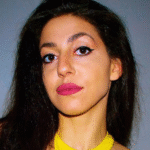
Maple Batalia, a 19-year-old college student with a bright future ahead of her, was close to achieving her dreams when she was fatally shot and stabbed after leaving her campus library.
Security Guard Finds Student Dying
Late on September 27, 2011, the third-level parking area at Simon Fraser University’s Surrey campus was quiet when gunshots broke the silence. Nineteen-year-old Maple Batalia had just finished studying at the campus library and was walking alone to her parked car.
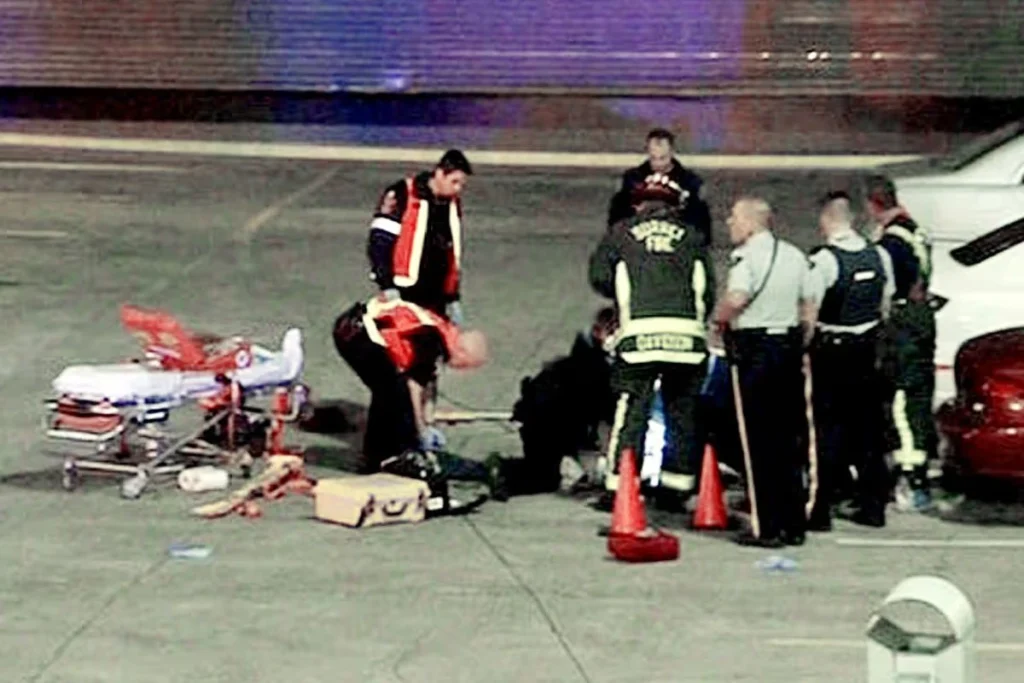
A campus security guard ran toward the sound and found Batalia collapsed near her vehicle. She had been shot three times and then slashed repeatedly with a knife. Her school papers were scattered on the concrete around her.
Police and paramedics arrived within minutes. RCMP officer Daniel Johnson later described extensive bleeding and severe head wounds. Batalia was still alive but could not speak clearly.
“She was laying on the ground, blood everywhere,” Cpl. Daniel Johnson, of the Royal Canadian Mounted Police, recalled. “Her body looked like it been stabbed and shot, but she had a pulse.”
Johnson stayed with her as medics worked to stabilize her, then she was rushed by ambulance to Royal Columbian Hospital. Officers searched the structure with weapons drawn, treating the scene as an active threat. The attacker was already gone.
Investigators secured the garage and began documenting the area. They recovered spent 9 mm shell casings on the ground and noted blood patterns on the pavement. A bullet hole was visible in a nearby concrete wall.
Few witnesses were present at that hour, but students reported hearing loud bangs and then the sound of a vehicle accelerating away.
Batalia was pronounced dead shortly after reaching the hospital. RCMP Sergeant Tina Gillies informed the family. Her mother, Sarbjit, responded with a demand for justice, yelling, “Bring me vengeance.”
Her father, Harkirat, and her sister, Roseleen, were left to identify the person they believed had caused the loss and to cooperate with police as the homicide inquiry began.
Who Maple was?

Maple Batalia was born in 1992 and raised in Surrey, British Columbia, in a Sikh family active in its local community. She was the younger daughter in the household and grew up with her older sister, Roseleen.
Friends described her home life as supportive and less restrictive than what some South Asian girls experienced, including freedom to socialize broadly and pursue personal interests.
“She was allowed to go outside, play with boys and just kind of be free, which is kind of taboo in our culture,” her close friend Karen Kang explained. “She was like, ‘I want to be a doctor. I want to be an astronaut. I want to be a model, I want to be in movies.’ She always had big dreams.”
As a teenager, Batalia developed strong academic goals and a public-facing career in fashion and acting. At about 14, she began runway modeling and later appeared in Vancouver Fashion Week. She also took acting classes, signed with an agent, and started auditioning for screen roles.
In 2010, she appeared in the film Diary of a Wimpy Kid: Rodrick Rules. She also filmed a brief on-screen kiss for the CW television series The Secret Circle. Friends recalled her attending premieres and reacting emotionally to seeing herself on screen.
At school, she earned high grades and enrolled in health sciences at SFU’s Surrey campus. She aimed to become a dermatologist. Her schedule included university work alongside modeling and acting assignments, and people close to her described her as persistent and organized.
Around age 15, she entered a relationship with Gurjinder “Gary” Dhaliwal, a Punjabi teen from a known family in the same community. He was about two years older and had attended the same high school.
Early in the relationship, he used romantic gestures such as flowers and chocolates delivered to her home, and her family initially chose not to interfere.
“Because Maple was so mature and she was doing so well in school and in life, that we were like she’s so responsible, why are we going to interfere too much more than we need to?” Roseleen said of the young romance. “He would go out of his way to, like, make sure Maple felt special. There would be, like, chocolates and flowers delivered to the house.”
Breakup and fear
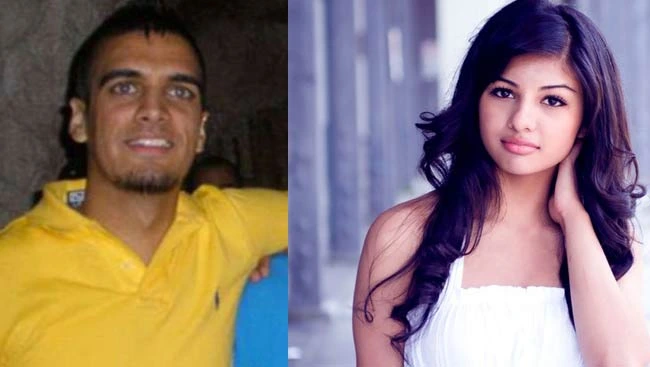
Over time, the relationship became unstable. While Batalia pursued university studies and continued building her public profile, Dhaliwal’s direction differed. After high school, he did not attend college and worked in his father’s trucking business. Friends later said he reacted poorly to her success and appeared resentful rather than supportive.
“Gary was jealous, he wasn’t happy for her, like a boyfriend that loves her should be,” her friend Natalie Sheck said, “I think he was really jealous of her light cause he didn’t have that light in him.”
Accounts from people around Batalia described controlling behavior. Dhaliwal frequently questioned where she was, who she met, and whether she spoke to other men. Arguments escalated into shouting, and she told friends she felt watched and pressured. The relationship shifted into an on-and-off pattern.
In August 2011, Batalia discovered he had been cheating. She ended the relationship and attempted to move forward. Dhaliwal responded with persistent contact. She received large volumes of calls and messages, described as thousands of texts over weeks.
He also appeared near her home, including parking nearby at unusual hours. Batalia began adjusting her routines, avoided walking alone on campus when possible, and carried pepper spray, according to the Vice.
A major incident followed in September 2011. Batalia met a male friend for coffee at a local café. Dhaliwal arrived unexpectedly, confronted her loudly, accused her of interest in the other person, and then shoved her in public. The café owner threatened to call police, and Dhaliwal left. Batalia later described being shaken and scared.
“He was yelling at me, ‘what are you doing? Do you like this guy?’ And he, like, finally just pushed me,” Maple later told police. “And so I was really, like, shaking and was really scared.”
She reported the assault and harassment to the RCMP. Dhaliwal was arrested and placed under a no-contact order that barred him from approaching or communicating with her.
The order provided formal notice but did not remove his ability to track her movements. Three days after the police action, he contacted his friend Gursimar Bedi, and the two began coordinating activity that would later be central to the homicide investigation.
Night of Sept. 27
On September 27, 2011, Batalia went to SFU’s Surrey campus for a late study session. She was in the library for hours with a close friend, Karen Kang, preparing for exams.
Around midnight, the two briefly left to get coffee at a nearby café, then returned to continue studying. During this period, a white Dodge Charger was observed on campus video footage moving in ways that later supported police suspicions of surveillance.
By about 1:00 a.m., Batalia finished and left the library area. She separated from Kang at the campus entrance, and each walked toward their own cars. Batalia entered the multi-level parking structure alone.
On the third level, the white Dodge Charger was already positioned in a corner with no obvious reason to be parked there for normal campus activity.
Investigators later alleged that Dhaliwal waited near Batalia’s vehicle. When she approached her car, she was ambushed. She was shot with a 9 mm handgun and then attacked with a knife. The sequence indicated close-range violence and sustained effort.
The assault ended quickly, and the attacker fled, returning to the Charger. A campus camera captured the vehicle leaving immediately after the gunfire, and the Charger’s distinctive tail light pattern was visible on the footage.
The immediate scene supported a targeted attack rather than an opportunistic crime. Batalia’s belongings were left behind and no robbery motive was evident in the information presented later in court.
The rapid escape, the presence of a waiting vehicle, and the later discovery of planning activity on video were key reasons prosecutors treated the killing as deliberate and connected to the earlier relationship conflict.
Tracing the Charger
From the first hours of the case, police focused on linking the fleeing car to identifiable people. The garage camera facing the attack area did not record the moment of the killing because it panned away seconds before the assault, leaving only an empty view of concrete.
Investigators expanded their review to other campus cameras and obtained footage showing the white Dodge Charger at multiple points during the night.
The Charger’s model and light pattern suggested a newer Dodge Charger, likely from 2010 or 2011. Police checked records through dealerships and vehicle files to find matching cars. They also worked from the belief that the primary suspect did not own such a vehicle.
The key lead came when records showed that a white 2011 Dodge Charger had been rented from an Avis location in Surrey only days before the killing. The rental was in the name of Gursimar Bedi, a close associate of Dhaliwal.
Surveillance video from the rental site showed Dhaliwal present when Bedi picked up the car. Police located the Charger after it had been returned to Avis and seized it before cleaning. The forensic search produced several results that supported use of the vehicle in the homicide.
Under the hood, technicians found a single spent 9 mm shell casing lodged in the engine area. Inside the car, they found two small drops of blood. Testing identified the blood as Batalia’s. Investigators concluded the blood likely transferred from one of the attackers rather than from the victim entering the vehicle.
Additional testing found traces consistent with gunpowder on the steering wheel and the driver’s side door, supporting the view that a firearm had been discharged in connection with the driver.
Police also reviewed video from the night showing Bedi leaving the passenger side of the Charger and entering a campus building to track activity, reinforcing his alleged role as support.
Phone records and arrests
Investigators still needed evidence placing Dhaliwal at the scene during the critical minutes. They obtained court-authorized access to his phone records, including location data.
Analysis showed his phone connecting with cell towers near SFU Surrey during the window of the murder, shortly after 1:00 a.m. The records then showed movement away from the campus area consistent with the route of a vehicle leaving quickly after the attack.
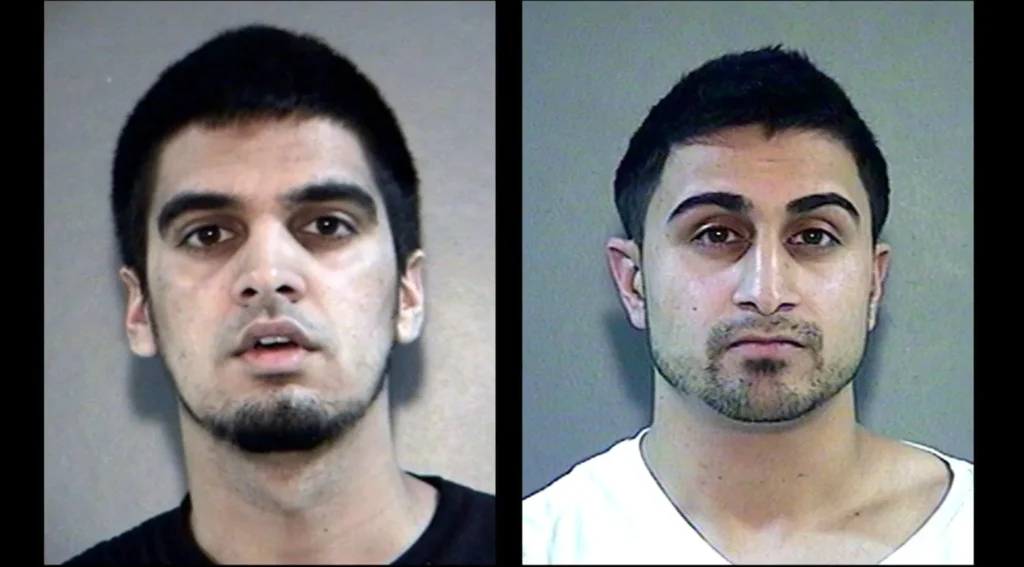
With the combined evidence from video, rental documents, vehicle forensics, and phone location data, police moved forward. On December 1, 2012, Surrey RCMP announced arrests of Gurjinder Dhaliwal, then 20, and Gursimar Bedi, then 22.
Dhaliwal was charged with first-degree murder. Bedi was charged with manslaughter, accessory after the fact, and firearm-related offenses.
The case then entered a long court process. Over months and years, hearings and procedural steps delayed a final trial. Batalia’s family attended repeated court dates and publicly described the period as exhausting.
They also continued to state their belief that the crime was connected to Dhaliwal’s conduct after the breakup and the no-contact order.
In early 2016, a trial date approached for Dhaliwal in the Supreme Court of British Columbia. On March 3, 2016, he entered a guilty plea to second-degree murder, and the first-degree charge was withdrawn.
The plea meant he accepted responsibility for the killing without a court finding of pre-planning. The decision ended the need for a full jury trial and moved the case into sentencing.
Sentences and legacy
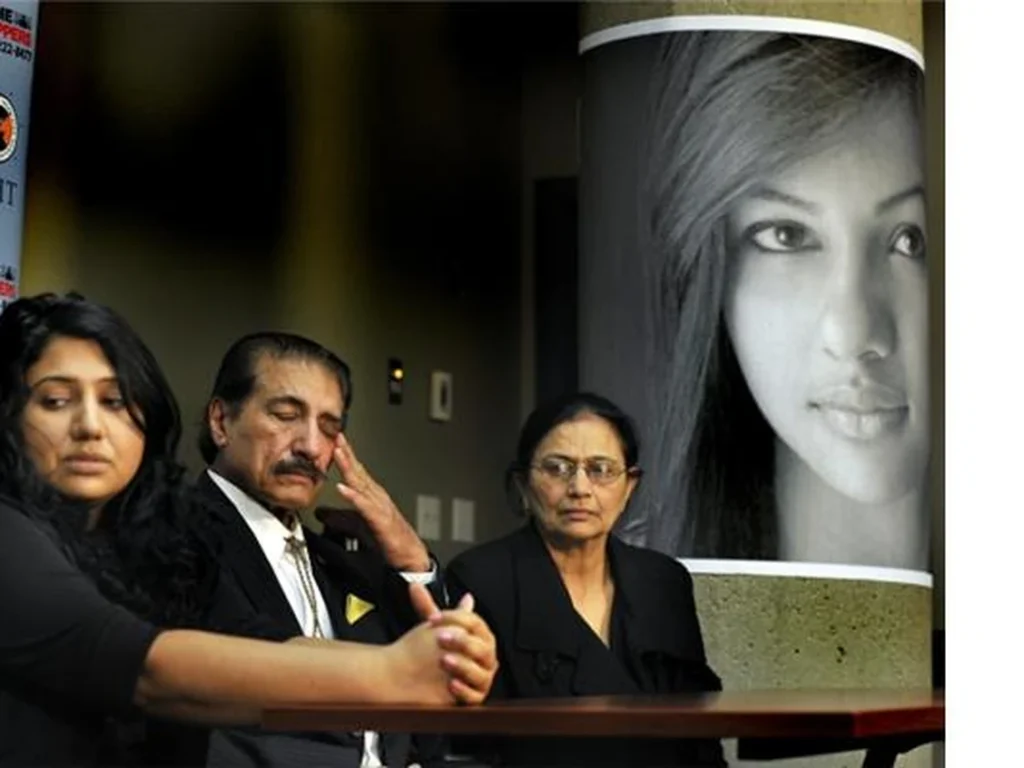
On March 7, 2016, a sentencing hearing took place in New Westminster. The courtroom included Batalia’s relatives and friends, many wearing purple, described as her favorite color. Victim impact statements detailed the effects of her death on family life and daily functioning.
Her mother addressed Dhaliwal directly and demanded an explanation. Her father told the court that the loss was permanent and spoke to Dhaliwal as the person responsible.
Dhaliwal read a short statement of apology, addressing the Batalia family and also his own relatives. Under Canadian law, second-degree murder carries a life sentence, with the court setting the earliest point at which parole can be requested.
Prosecutor Wendy Stephen and the defense jointly proposed 21 years before eligibility. Justice Terence Schultes accepted that recommendation, citing factors that made the killing particularly severe. Dhaliwal received life imprisonment and cannot apply for parole for 21 years.
Bedi’s case ended differently. During his proceedings, the Crown stated it could not prove he knew Dhaliwal intended to kill Batalia, and the manslaughter position did not hold.
In June 2016, Schultes found Bedi guilty of being an accessory after the fact, describing him as providing crucial help after the murder and supporting the plan through surveillance.
In January 2017, Bedi received an 18-month sentence. With credit for time served and standard release rules, he left custody after about 12 months, the CBC reports.
“I felt like a chance of parole after 21 years still gives Gary a good chance at life and the couple months, the measly couple months, that his friend got as the last potential person that could have stopped him, was a smack in the face,” Roseleen said. “But nothing will bring her back.”
Batalia’s family created memorial programs after her death. They established the Maple Batalia Memorial Award for young South Asian women pursuing performing arts or modeling.
They also funded a scholarship for female health sciences students at SFU, reflecting her academic path. A bench and tree were installed in Holland Park near the family home as a public place of remembrance.
“Because you cannot count the maple tree leaves of this universe and Canada, Maple’s soul will never die,” her father said. “She is always in our heart.”