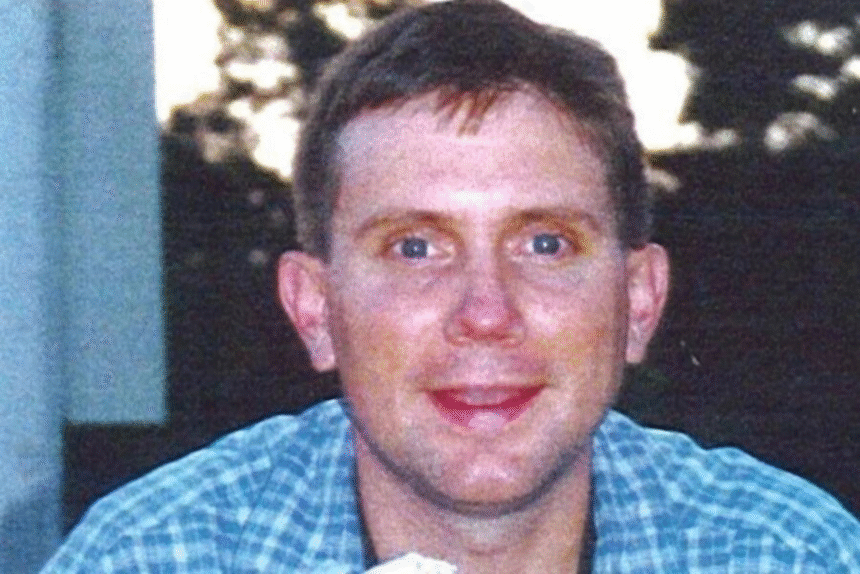
Jerry Michael Williams, a 31-year-old real estate appraiser, disappeared on December 16, 2000, during a duck-hunting trip. Initially ruled a drowning, the case was later confirmed to be a homicide nearly 17 years later.
Background
Jerry Michael Williams was born on October 16, 1969, and grew up in Bradfordville, a small community just north of Tallahassee, Florida. People who knew the area described it as quiet and close-knit.
Mike was raised with strong values and structure. His father worked as a Greyhound bus driver and his mother ran a daycare. They lived modestly and focused on education rather than luxury.
Mike attended North Florida Christian High School. Teachers and classmates remembered him as disciplined and dependable. He wasn’t loud or reckless. Instead, he stood out for leadership and consistency.
He served as student council president, played football and joined service groups like the Key Club. These details mattered later because they painted a picture of someone careful and organized.
When Mike was 15, he became interested in duck hunting. It wasn’t a phase. It became part of his routine and something he took seriously. He learned safety rules early and followed them closely.
“A lot of times, he’d go to Lake Seminole just to sit there in his boat and watch the ducks come in. He said, ‘Mom, a lotta times I don’t even — I don’t even have my gun in the boat,'” Cheryl Williams recalled, per NBC News.
During these years, he met Denise Merrell. Their relationship grew steadily, without drama, according to friends.
After high school, Mike attended Florida State University, studying political science and urban planning. Before finishing his degree, he was hired by a property appraisal firm.
His supervisors later said he worked long hours and took pride in his job. Promotions came quickly. By his late twenties, Mike was earning a strong income and building a stable future.
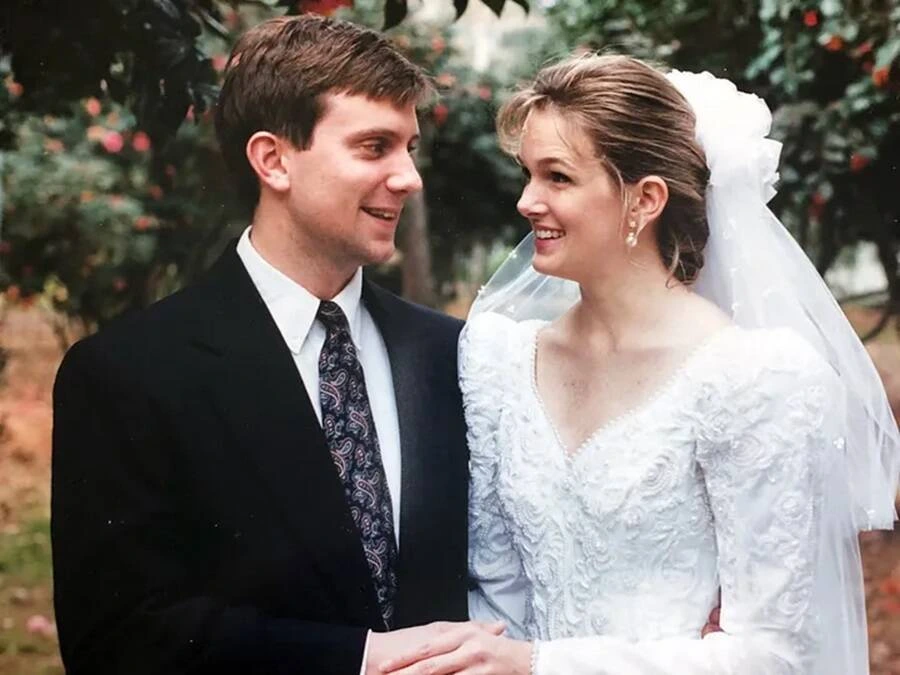
In 1994, Mike married Denise. They settled in Tallahassee and focused on careers and family life. Coworkers said Mike often went home in the evenings and then returned to work later at night. He didn’t cut corners. In 1999, the couple had their first and only child, a daughter, Anslee.
Mike was very involved as a father. He planned ahead and worried about safety, especially during hunting trips.
By 2000, the family lived in an upscale neighborhood and had plans for travel and more children. Nothing in Mike’s life suggested he was unhappy or planning to disappear.
The disappearance at Lake Seminole
On December 16, 2000, Mike left home before sunrise to go duck hunting at Lake Seminole. The lake sits along the Georgia–Florida border and was a place he had visited many times. According to Denise Williams, this was a routine trip. Nothing seemed unusual that morning.
There was another important detail. That same evening, Mike and Denise were supposed to celebrate their sixth wedding anniversary in Apalachicola. Because of that plan, investigators later said there was every reason to believe Mike intended to come home.
When Mike didn’t return by midday, concern started to grow. Denise contacted her father. Soon, friends and family went to check the lake. Mike’s Ford Bronco was found near a remote boat launch on the Florida side. The area was undeveloped and quiet.
Authorities were called and the Florida Fish and Wildlife Conservation Commission began a search. Weather conditions worsened that day, forcing teams to stop and restart operations. Later, Mike’s boat was found drifting not far from the launch. Inside the boat was his shotgun, still in its case. Mike himself was gone.
At that point, the situation was treated as a missing hunter case. There were no signs of a fight. The boat wasn’t damaged. Because Lake Seminole had submerged tree stumps and uneven underwater terrain, investigators believed Mike may have hit something and fallen into the water.
This early assumption shaped everything that followed. The area was not treated as a crime scene. Evidence collection was limited. From the start, the focus was on recovery, not investigation.
Search operations and early conclusions
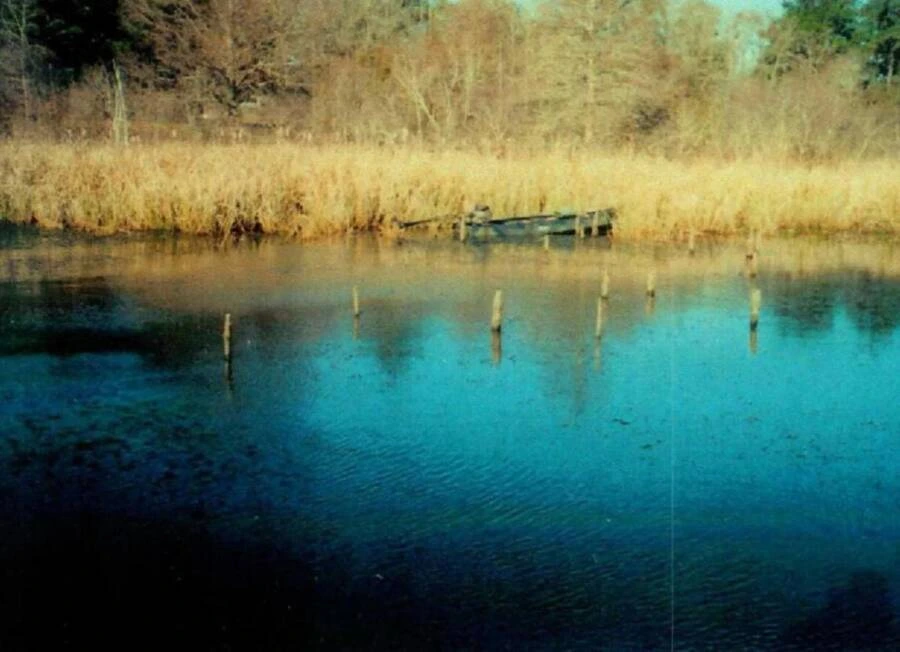
Search teams focused on a small cove near where Mike’s vehicle was parked. Helicopters, boats and divers searched the water. The depth ranged from eight to twelve feet. Investigators believed Mike may have been wearing waders which could have filled with water and pulled him under.
Family members were told that drowning victims usually surface within days. Even in cooler weather, remains are typically found. Still, days passed with no sign of Mike. Weeks went by. Nothing.
A camouflage hunting hat was found but it could not be confirmed as Mike’s. By early February 2001, the search was suspended. Officials stated that there was no conclusive proof of death but no evidence pointed elsewhere.
Later, a private search team suggested that alligators might explain why no body was found. Lake Seminole is known to have a large alligator population. This idea became widely accepted, even though it was never proven.
“People are attacked by alligators,” says Jennifer Portman. “Little dogs are eaten by alligators. But you never hear of someone who’s just vanished, eaten by – whole – by an alligator.”
In June 2001, several months after the disappearance, waders, a jacket and a flashlight were recovered from the lake. Inside the jacket was Mike’s hunting license. Based on these items, a court declared Mike legally dead.
This ruling allowed life insurance claims to move forward. Substantial payouts were made. At the time, the case was considered closed, even though no physical evidence actually confirmed a drowning.
Growing doubts and reopened investigations
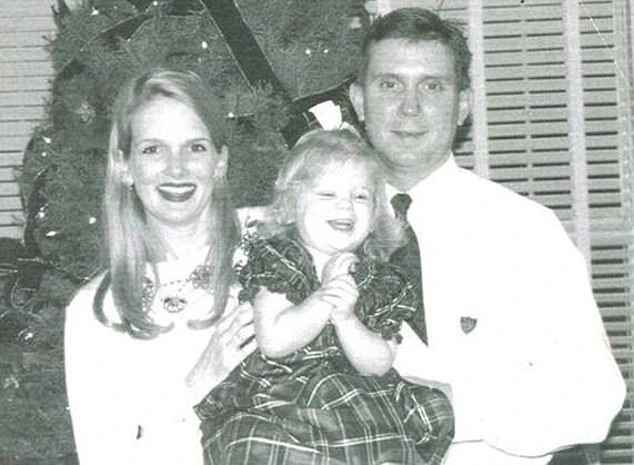
From the beginning, Mike’s mother, Cheryl Williams, did not accept the drowning explanation. She believed the facts didn’t match her son’s habits. Over time, investigators began to see the same problems.
There had never been another drowning at Lake Seminole where no remains were recovered. The condition of the clothing raised questions. The items showed little wear and the flashlight reportedly still worked.
Details about the boat didn’t add up either. The engine was off and the fuel tank was full. Experts later said that if Mike had fallen out while the engine was running, the boat should have kept moving until it ran out of fuel.
Weather data also caused doubt. Wind patterns that day should have pushed the boat in a different direction than where it was found.
In 2004, after continued pressure from Cheryl Williams, the Florida Department of Law Enforcement reopened the case. Investigators reviewed all records and consulted experts, including wildlife specialists.
They learned that alligators usually do not feed during cold winter months. At the time of Mike’s disappearance, water temperatures were low and parts of the lake had ice.
Despite these findings, investigators faced a major problem. The original search had not been handled as a crime scene, potential evidence was gone and vehicles and equipment had long been returned. Investigators increasingly believed Mike did not die in the lake but they could not prove what happened.
Years of pressure and public exposure
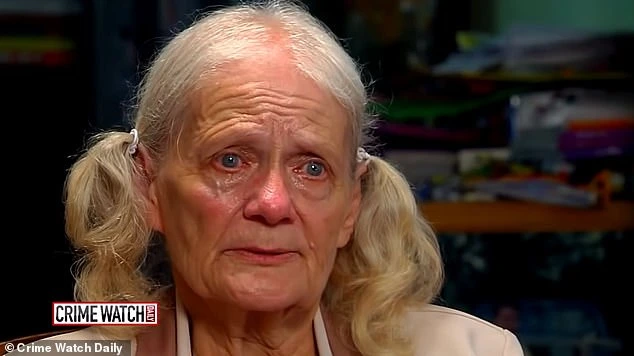
According to CBS News, after the second investigation ended, Cheryl Williams did not stop. She placed newspaper ads, put up billboards and wrote letters to officials again and again. Her goal was to have the case reopened.
Over time, her efforts gained attention. In 2012, the Investigation Discovery series Disappeared aired an episode on Mike’s case. The program highlighted the inconsistencies and Cheryl’s long fight for answers.
Around the same time, investigators looked into possible insurance issues. They noted that not all life insurance policies had been fully disclosed earlier. These inquiries did not lead to charges. Officials said suspicion alone was not enough.
Other tips came in, including information from a self-described psychic. None of these leads went anywhere.
Even after agencies closed the case again, Cheryl kept writing. She contacted state officials, including the governor, asking for an independent review. Years passed but the case stayed alive because she refused to let it fade away.
Discovery of remains
In 2016, a separate crime changed everything. Brian Winchester, who had married Denise years after Mike disappeared, was arrested for kidnapping Denise during their divorce. He was later convicted.
This case brought new attention to Mike’s disappearance. Investigators took another look.
In October 2017, authorities announced a major breakthrough. Human remains had been found in a remote area of Leon County. DNA testing using Cheryl Williams’s sample confirmed they belonged to Mike.
The remains were not in Lake Seminole. They were buried on land.
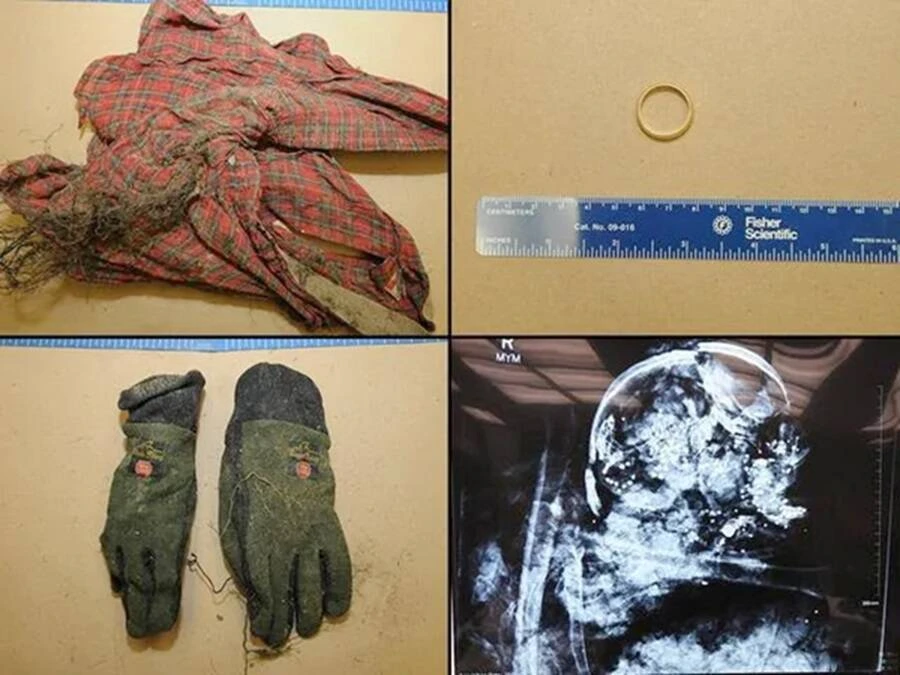
Investigators used heavy equipment to recover the site. They found most of the skeletal remains and some clothing. Officials confirmed that Mike was a homicide victim.
The location and condition of the remains completely disproved the drowning theory. Authorities said they had received information about the burial site earlier that month, which led to the excavation.
After nearly 17 years, the main question was finally answered. Mike had not drowned; he had been killed.
Arrests, trial and appeals

Brian Winchester was sentenced to 20 years in prison for kidnapping Denise Williams. Before being sentenced, he agreed to cooperate with prosecutors.
As part of a plea deal, prosecutors agreed not to charge Brian with Mike Williams’ murder in exchange for a full confession and cooperation.
In May 2018, Denise Williams was arrested. She was charged with first-degree murder, conspiracy to commit murder and accessory after the fact. Prosecutors said she and Brian Winchester planned Mike’s killing so they could be together.
“She would not get divorced,” Brian Winchester said in his confession, “and so she basically said there’s only one solution.”
Winchester later testified that he shot Mike after an attempt to stage a boating accident failed.
“I went and met Mike at a gas station… I followed him to the lake… We launched the boat. It was just like a hunting trip was supposed to be,” Winchester confessed. “I got him to stand up and I pushed him into the water… and he was in a panic, obviously… I ended up shooting him… [in] the head.”
At trial, prosecutors presented recorded statements and testimony describing the planning. The defense argued there was no physical evidence directly tying Denise to the killing and questioned Winchester’s credibility.
“We had an agreement that she would never say anything about me and I would never say anything about her, because we felt like as long as neither one of us talked that nobody would ever find out what happened,” he said.
The jury convicted Denise on all charges. In 2019, she was sentenced to life in prison.
She appealed. In 2020, an appellate court overturned the murder conviction but upheld the conspiracy conviction. Her sentence was reduced to 30 years. Higher courts declined to hear further appeals.
As of the most recent updates, Denise Williams remains incarcerated on the conspiracy conviction. After nearly two decades, the case reached its legal end, driven by persistence, evidence and one mother’s refusal to accept an answer that never made sense.
“Michael has justice,” Cheryl she stated in 2021. “I believe he can rest in peace now.”