In 1993, 16-year-old Dorothy Marie Robards poisoned her dad, Steven Robards, in Fort Worth, Texas, using a chemical she had taken from her high school chemistry class. Feeling trapped and desperate to live with her mom, Marie made a choice that ended in tragedy.
Early Life
Dorothy Marie Robards was born in 1976 in Fort Worth, Texas. Her parents, Steven Robards and Beth Lohmer, had married young, right out of high school.
At first, they moved around a lot because Steven was in the Navy, living in places like San Diego and Florida before settling again in Fort Worth. But things weren’t easy at home and by 1980, when Marie was just four, her parents split up. Beth got custody and Marie mostly stayed with her.
Beth later remarried in 1981. Her new husband, Frank Burroughs, had also served in the Navy. The family moved to Granbury, Texas, and Marie grew up there. People said Marie and her mom had a bond that looked more like sisters than a typical mother-daughter relationship.
Even with that, the house had stress sometimes. Money was tight and there were family arguments now and then.
Steven, her dad, didn’t visit very often. He had trouble keeping steady work and dealt with depression. That made it harder for him to help much which added pressure to the whole situation. By the time Marie was in high school, her life had already gone through many changes.
But she was smart. At Granbury High School she played clarinet, did art and joined dance. Later she transferred to Eastern Hills High School in Fort Worth in 1992. Her grades jumped a lot — she got a 98 in French, a 91 in English and a 95 in chemistry. Even though she did well in school, she was pretty quiet and only had a few close friends.
According to Texas Monthly, things got tougher that same year when Marie found out her stepdad, Frank, had been unfaithful. It created a huge argument at home. Because of that, she left Granbury and went to live with her dad in Fort Worth. That move shifted everything for her.
After five days, Marie went back to her mother’s house, pleading to move in again. But Frank had a firm rule: to prevent kids in the blended family from switching homes whenever they wanted, anyone who moved out was not allowed to return. As a result, Marie had no option but to live with her biological father in Fort Worth.
Life With Her Dad and Growing Tension
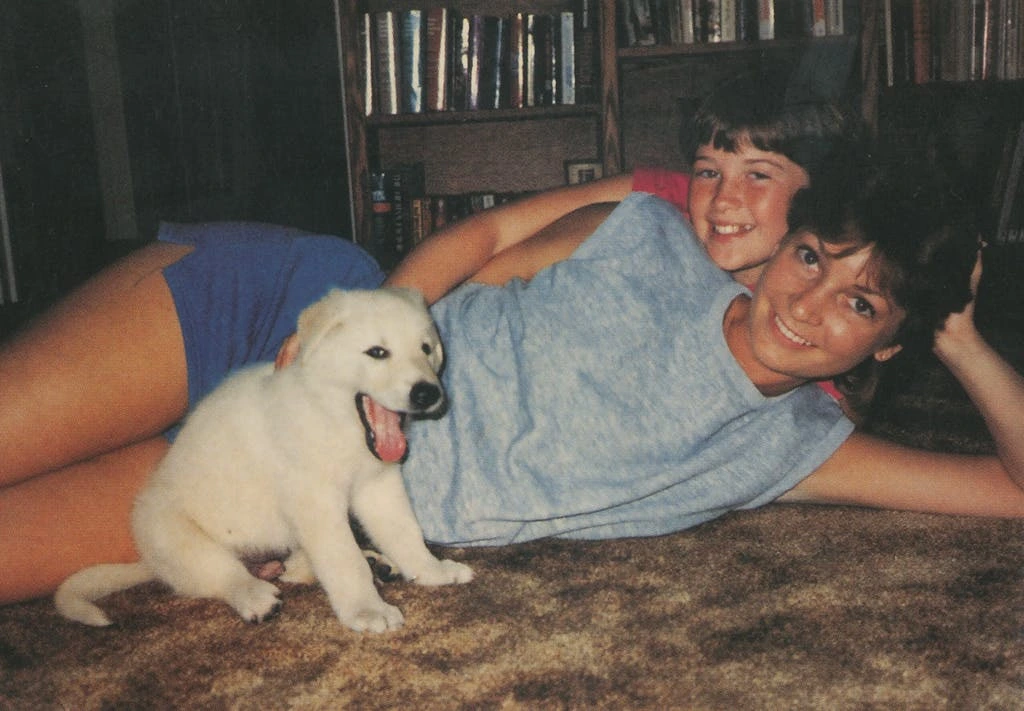
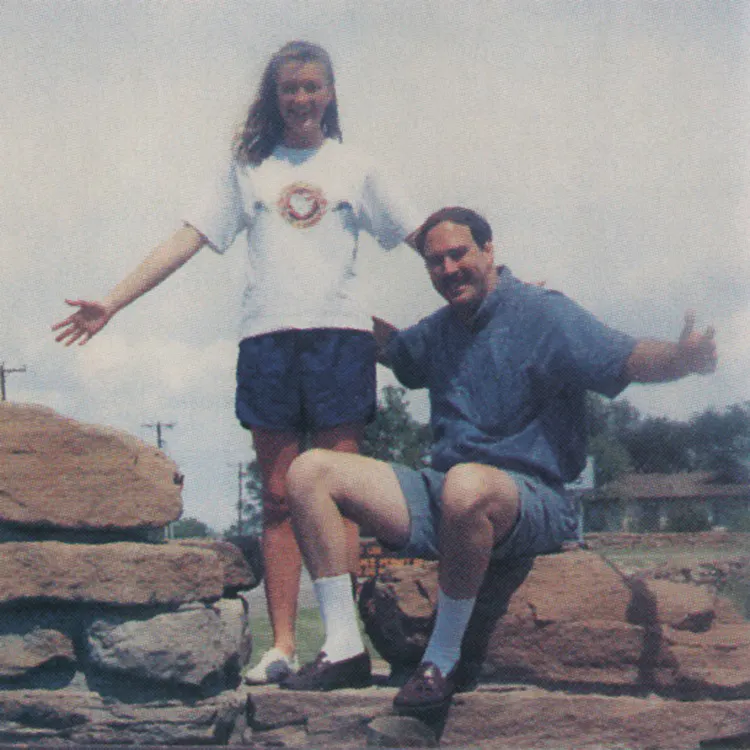
Marie’s dad, Steven Robards, worked as a rural mail carrier for the U.S. Postal Service. He was tall, about six-foot-four, with curly dark hair. Before that, he had served in the Navy. Even though he struggled with jealousy, temper issues and depression after the divorce, by 1992 he had gotten treatment and seemed more stable.
When Marie had to move in with him, he was actually excited about it. He wanted to spend time with her. He took her out to eat, went to movies with her and tried to make things feel normal. But his apartment was very small — a one-bedroom — and he didn’t know much about keeping a home. Marie slept on a rollaway bed in the living room. The setup made her feel uncomfortable and stuck.
For a teen who wanted to go home to her mom, it was a hard adjustment. She didn’t want to be there and felt like the living situation was blocking her from getting her life back the way she wanted it.
Marie later explained just how desperate she felt. In her own words, she said, “I just wanted to be with my mom so bad that I would do anything to be with her.”
During these months, she wrote out her deeper feelings and plans in private. Some of what she wrote showed she felt trapped. She even wrote a few thoughts about wanting to escape by any means, including an idea about setting a fire to force the adults to send her back home.
Her dad, meanwhile, seemed to be living quietly. He cooked simple meals, worked his job and didn’t show any serious health issues. But inside the apartment, the distance between them grew.
Why Things Went Wrong
During late 1992 and early 1993, Marie became more upset about living away from her mom. She didn’t feel like the adults in her life were listening to what she needed. She also thought her mom was choosing her stepdad over her, especially after the big fight the summer before.
In school, Marie still acted like a regular student. She took hard classes and did well. But inside, she was struggling. She kept thinking about how to get back home. At first, she thought of plans that weren’t realistic, like making a scene that would force someone to move her. But none of those ideas seemed to work.
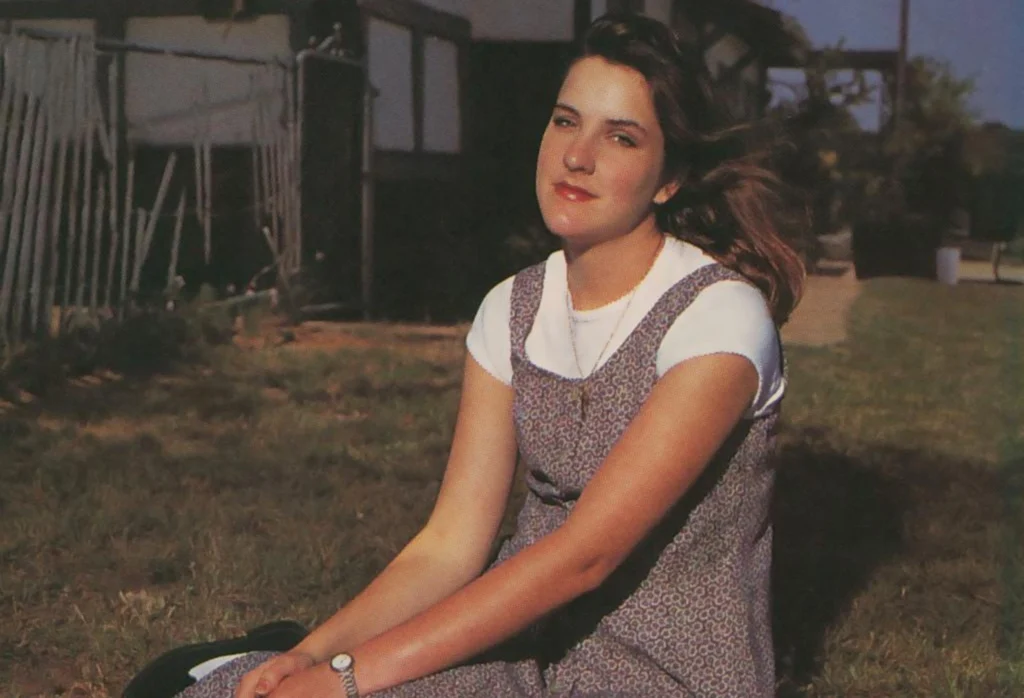
At Eastern Hills High School, she was doing especially well in chemistry. In that class, she learned about barium acetate. Her teacher had reminded everyone that it was toxic. At some point, Marie started thinking about using it.
She didn’t plan it in a complicated scientific way. She didn’t look up extra research or use any outside materials. She only relied on what she knew from school. By February 1993, she decided on a plan. While her teacher wasn’t looking, she folded a little bit of barium acetate into a napkin and hid it in her bag.
Later at her trial, psychologists said she was acting more like a confused teenager than someone thinking about long-term consequences. One doctor, J. Randall Price, explained that she seemed remorseful and believed she may have been dealing with posttraumatic stress.
He said her actions came from family tensions and her fear of losing her mom, not from wanting to cause a permanent tragedy.
She thought the chemical would only make her dad sick so she could return to her mom’s home afterward. That idea was still very serious but she didn’t think about how dangerous it actually was.
The Night Everything Changed
On February 18, 1993, Marie and her father were at home in Fort Worth, sharing a regular evening meal. They had Mexican takeout, including beans. That same night, she added the barium acetate she had stolen into her father’s food. The substance mixed in easily — it didn’t smell or taste odd, the UPI reports.
Once Steven ate the food, he started to feel very sick. It happened quickly. He began throwing up and felt weak. His body reacted in a severe way and soon he went into cardiac distress. Marie called 911 right away and sounded upset when paramedics arrived.
They tried to help him and took him to the hospital. But even with medical care, Steven passed away a few hours later at age 38.
The medical examiner looked at his body afterward and found he had a slightly enlarged heart. Because there were no signs of injury and because the symptoms looked similar to a sudden heart problem, the doctor ruled the death natural — a heart issue. No toxicology test was done then. So at the time, no one thought anything suspicious had happened.
Marie went through the funeral on February 22, 1993. She stood at the graveside quietly, looking distant. People thought she was grieving in her own way.
For a little while, life moved on as if everything was normal.
How the Case Reopened
Months passed, and things seemed settled. But there were small signs that something didn’t feel right to people close to Marie.
Her mom, Beth, noticed that Marie’s story about the night her dad got sick changed slightly from time to time. She also knew Steven had never had serious health issues before. These things made Beth uneasy, even though she had no real proof something was wrong.
In January 1994, almost a year after Steven passed away, a major shift happened. Marie told her high school friend, Stacey High, what she had done.
The confession happened during a conversation when the class was studying Shakespeare’s Hamlet, which also includes a poisoning scene. Stacey later said Marie talked about the event and mentioned details that didn’t match the earlier natural-death ruling.
Stacey eventually reported this to the authorities. That tip caused investigators to re-check the case, per Wikipedia.
In early 1994, officials ordered new toxicology tests on blood samples that had been saved from the autopsy. When the results came back in October 1994, they showed extremely high levels of barium — about 250 times above normal. That confirmed that Steven had died from barium acetate poisoning, not a natural medical condition.
The medical examiner, Dr. Nizam Peerwani, officially changed the cause of death to homicide. Investigators then looked at Marie’s school records and found the connection to the chemistry lab. They also discovered that the barium acetate had gone missing around the same time.
On October 19, 1994, police went to the University of Texas at Austin, where Marie was now a freshman and arrested her. She admitted part of what happened and repeated that she did it because, “it was the only way I could go back home.”
She was charged with first-degree murder.
Inside the Trial and Sentence
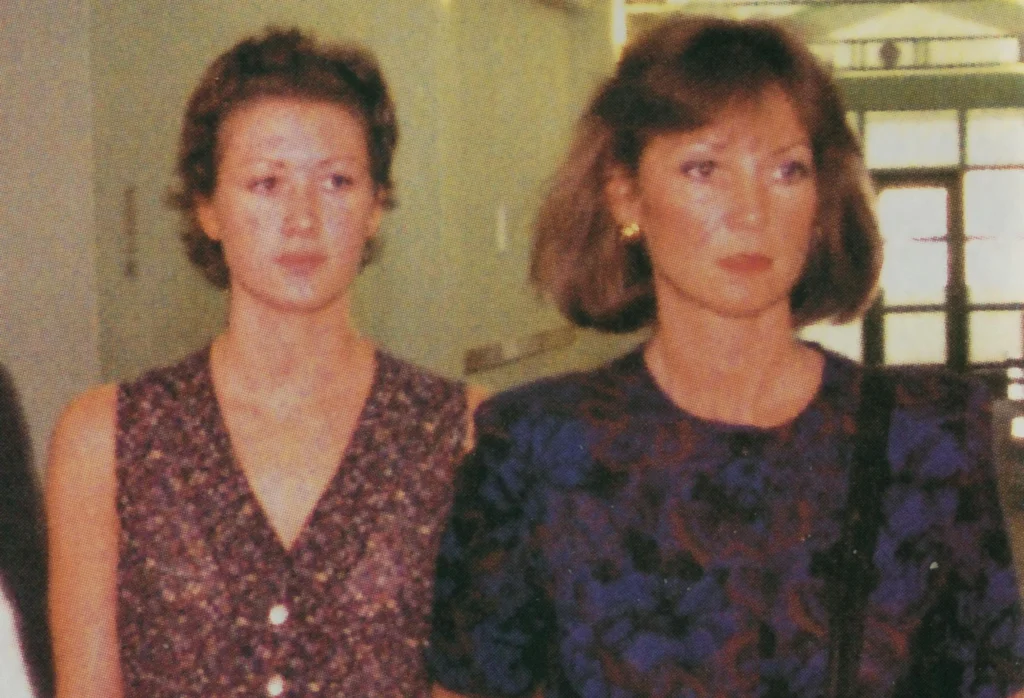
Marie’s trial started in May 1995 at the Tarrant County Courthouse in Fort Worth. The courtroom was full and both sides worked hard to explain what they believed had happened.
The prosecutor, Mitch Poe, said the act was planned and pointed to the fact that Marie had taken the chemical from the lab and added it to the dinner. He argued that she felt this was the only way to change her living situation and return to her mom.
He told the jury, “Just one stomachache wasn’t going to get Marie back to her mama’s place . . . Steve Robards had to die.”
Her lawyer, Ward Casey, took a very different angle. He said Marie acted like an overwhelmed teenager, not someone with a harmful plan. He argued she “only wanted to make her daddy sick overnight,” not cause something permanent. He reminded the jury of her age — she had been 16 when everything happened.
Family members testified too. Her grandfather, Jim Robards, spoke kindly about her and even asked the jury to forgive her and consider probation instead of a long sentence.
Toxicologists were important witnesses because they explained the dangerous amount of barium in Steven’s system. Stacey High also testified and shared what Marie had told her.
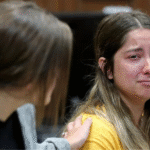
Marie eventually took the stand herself. She cried and apologized over and over, saying, “I’m so sorry. I’m so sorry.” She insisted she didn’t mean for her father to die.
After everything was heard, the jury found her guilty of first-degree murder on May 9, 1995.
During sentencing, the judge considered her age, her behavior and the fact that she had no criminal history. In the end, she received a 27-year prison sentence. She would be able to ask for parole after serving at least seven years.
Prison Years and Life After Release
Marie entered prison in 1996. Once there, she followed the rules, stayed out of trouble and joined programs that focused on counseling and personal growth.
Staff members said she behaved well and took on extra chores when needed. Over time, she began to show more understanding of her choices and expressed remorse in letters and in therapy sessions.
She served around seven years before the parole board granted her release in 2003.
After she left prison, she changed her name to Dorothy Marie Robards Strauch. She stayed away from public attention and kept her life private.
There are no interviews or public statements from her and she hasn’t shared anything about her life after release. She chose to live quietly and away from anything that would bring the case back into the spotlight.