
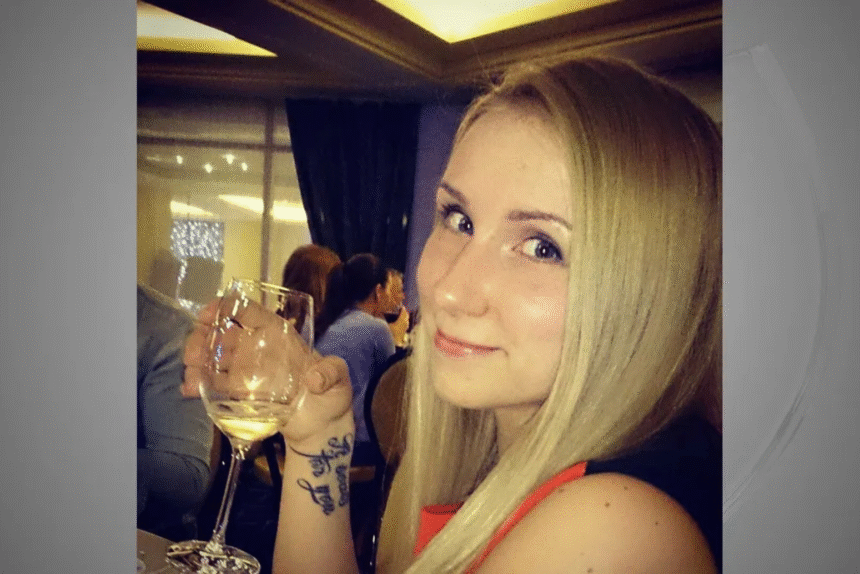
Anna Repkina left Moscow thinking she was heading toward something good. A new country, a man who seemed to genuinely care about her, and a future she had started to believe in again. Instead, she flew into a web of lies so tangled that even the people inside it could barely keep track of what was real.
Anna was 27 and had spent most of her adult life being the kind of person others gravitated toward. She held down a steady job at IKEA, kept a full social life, and had a reputation for being warm and easy to talk to. She loved animals and liked to travel.
For seven years she had been in a serious relationship, and when it ended, she was devastated. She was at an age where she had imagined being settled, and suddenly she was starting over. After giving herself time, she decided to try online dating.
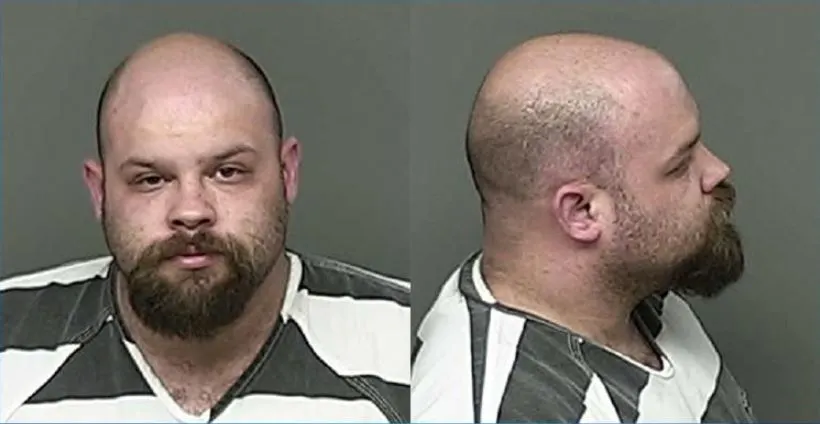
That decision led her to William Hargrove, a 26-year-old mechanic from Alsea, a small and quiet pocket of rural Oregon. When he and Anna started talking through a dating app, things moved quickly.
They shifted from the app to Facebook, then to video calls, spending long stretches bonding over a shared love of rock music. He sent her flowers and small gifts overseas. She felt seen. He said he was falling for her.
In December 2016, Anna booked a flight to Oregon to meet him. She accidentally purchased a ticket to Portland, Maine, and only realized the problem after landing on the wrong side of the country.
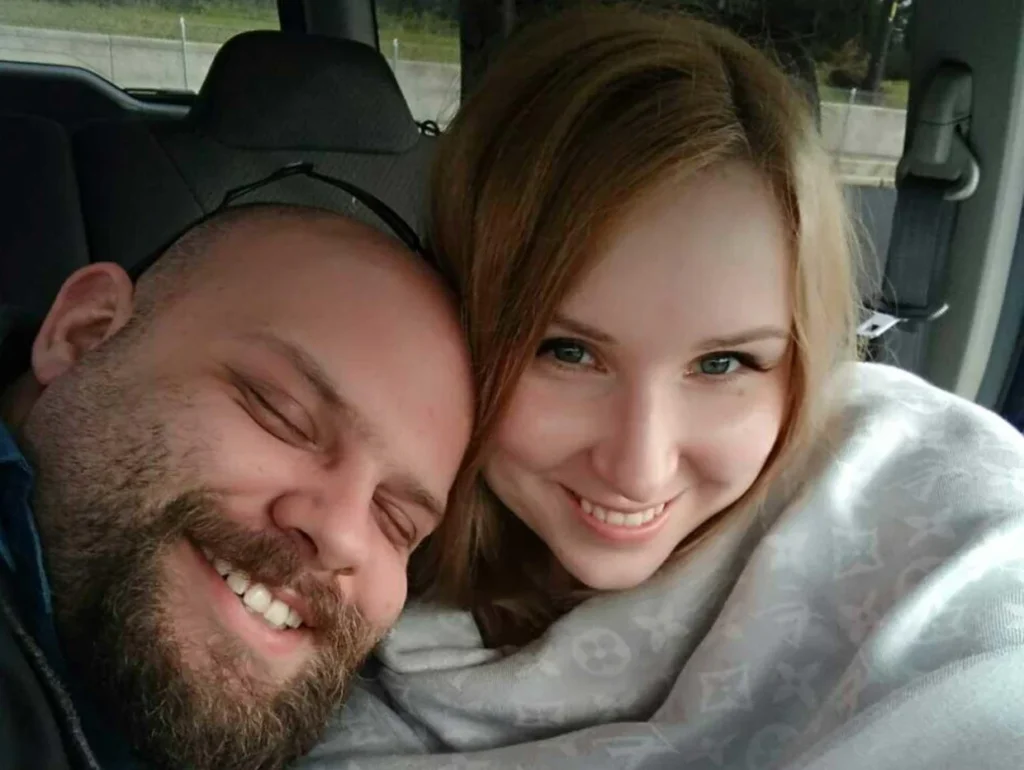
Once she sorted out another flight and finally reached Oregon, Hargrove took her out, showed her around, and made her feel like she had made the right call coming all that way. Ten days later, he proposed. She said yes without hesitation and started picturing what her life in America might look like.
There was, however, something significant he had left out of every conversation they had ever had.
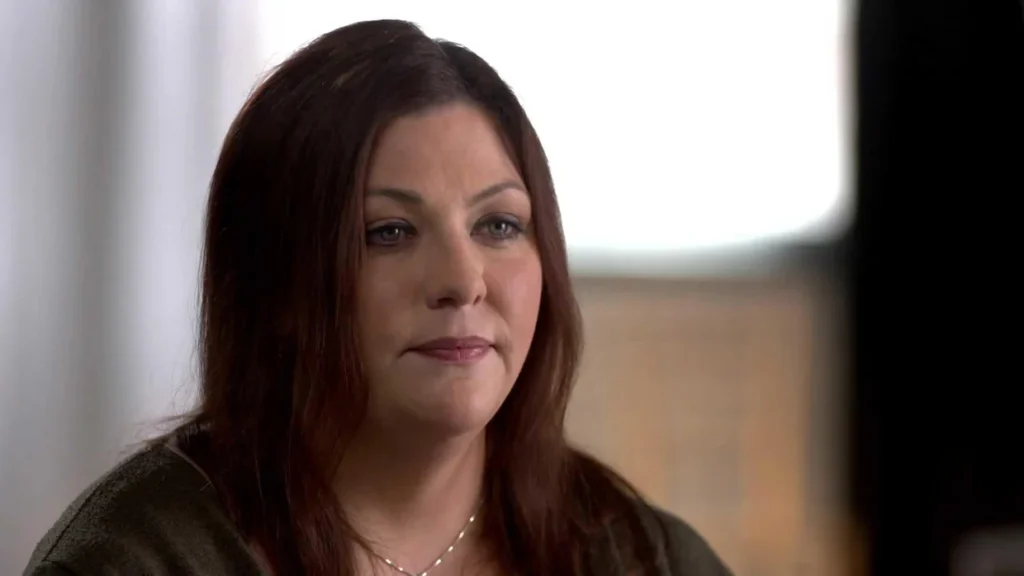
Michelle Chavez had been in Hargrove’s life since 2015. She was 33, worked as a taxi driver, and her marriage had long since dissolved into something closer to a practical arrangement than a real partnership.
Hargrove filled a gap she had not known how to close on her own. Their relationship deepened, and eventually he moved into the spare bedroom of her family home, paying a small amount toward rent.
As a gesture of commitment, Chavez handed him her wedding ring, the one her husband had originally given her, to hold as a kind of promise that she intended to leave and build something with him. They were never formally engaged, but the ring carried a clear meaning between them.
As time went on, Hargrove grew impatient with Chavez for not moving faster to leave her husband. He responded by opening a dating profile online, partly to pressure her. What he actually did was meet Anna.
When Anna visited in December 2016, she stayed in the same house as Hargrove and Chavez. Hargrove had told Anna that whatever existed between him and Chavez was finished.
Chavez tried to hold herself together, but watching another woman receive the kind of attention she wanted for herself became increasingly difficult. By the time Anna returned to Russia, Chavez had made it clear to Hargrove that it could not happen again.
Anna came back in March 2017, and Chavez refused outright to allow her in the house. Hargrove rented an apartment in Corvallis for the two of them.
Within days, he was quietly leaving and making his way back to Chavez, sometimes not returning until the next morning. He gave Anna explanations that were easy to accept at first, but the pattern grew harder to ignore over time.
Things fully unravelled through Facebook. Chavez had added Anna online and almost immediately noticed a photograph of her wearing a ring she recognized instantly. It was her own wedding ring, the same one she had given Hargrove as a symbol of her commitment.
Hargrove had used it to propose to Anna, telling her it was a treasured family piece passed down from his grandmother. Chavez messaged Anna and told her exactly whose ring she was wearing.
Hargrove had already spent enough time framing Chavez as unstable that Anna dismissed the message entirely and responded with hostility. Chavez warned her plainly that she had not seen anything yet. Anna did not take it seriously. She had a wedding to focus on.
The date was set for March 25, 2017. On the way to the Oregon coast where the ceremony was supposed to take place, they stopped at a Walmart to buy wedding bands.
Store surveillance showed Hargrove standing in the jewelry section with his phone to his ear. He was not finalizing plans. He was on a call with Chavez, asking if he could come over that night.
When they reached the coast, there was nothing waiting for them. No officiant, no setup, nothing at all. Hargrove had applied for no marriage license and booked no one.
He had spent weeks faking phone calls to vendors while Anna was nearby, then returning to her with stories about last-minute cancellations. Anna believed him each time and agreed to reschedule.
Chavez gave Hargrove a firm deadline shortly after. She wanted Anna gone and back to Russia by April 27, 2017. Hargrove assured her she was his priority and that he would handle everything.
He said this repeatedly and followed through on none of it. Anna, still waiting on a new wedding date, had no idea any of this was happening.
On the evening of April 15, Hargrove cancelled plans he had made with Chavez, telling her Anna had returned to the apartment unexpectedly.
Chavez was furious. He followed up with a text saying the situation would be permanently resolved by 6:00 the following evening, then turned his phone off late that night. Chavez left two voicemails in the early hours of the morning, the second one asking simply why.
Easter Sunday arrived. Chavez spent the afternoon at her mother’s house with family. Around 4:30 that afternoon, Hargrove called and told her he had been in an accident and needed her to come to Alsea to pick him up.
She left the gathering and drove out to meet him. When she arrived, he told her that he and Anna had argued badly, that she had packed her things and left, and that she was not coming back. Chavez was relieved.
The two were intimate before he drove her back to her car. She returned to her family in noticeably better spirits.
After dropping Chavez off, Hargrove’s movements told a very different story. He stopped at a gas station ATM and withdrew $200 from Anna’s bank account. He then went to a second ATM and withdrew another $600 from the same account.
Later that night, he deposited $160 of those funds into his own account to cover an overdue car insurance payment. In the days that followed, he spent the rest of Anna’s money on video games, Legos, and candy.
He also went online and posted on forums about time travel, asking users whether it was possible to go back to April 16th, describing what he had done as a terrible mistake, and writing that he would sell his soul to undo it.
On the morning of April 17, 2017, a caretaker working in a remote wooded area outside Alsea found a woman’s body on a trail. Whoever had left her there had made little effort to conceal her. Nearby were food wrappers, cigarette butts, and several receipts. The woman was Anna Repkina. She had been killed by a single gunshot wound to the head.
One of the receipts found at the scene came from a KFC and was traced back to a man named Kevin Thomas. When investigators spoke to him, he confirmed that Hargrove was a close friend and that he had lent him a shotgun weeks earlier after Hargrove said he wanted to go shooting in the woods. The gun had never been returned.
Police went to Chavez’s home where Hargrove was staying. He told them he and Chavez had driven through the Alsea area on Easter Sunday and left some trash beside a convenience store.
The items he described matched exactly what had been recovered near Anna’s body. Before heading to the station for questioning, he sent Chavez a text laying out the story he wanted her to support.
During the interview, Hargrove described Anna as someone he had briefly dated before trying to end things. He said nothing about an engagement. When police told him Anna’s body had been found, he attempted to appear shocked before asking for a lawyer and going silent. He was arrested that same day for her murder.
Chavez was brought in separately. When told Hargrove had been charged with murder, she offered almost no visible reaction. Investigators found that she had Anna’s phone in her possession, which Hargrove had given her to hold.
Her phone records also showed activity near where Anna’s body was found. She said Hargrove had taken her there on a previous occasion. Forensic testing of the recovered shotgun found only Hargrove’s fingerprints.
Location data from his phone placed him at the scene around 4:45 p.m. on Easter Sunday. Convenience store surveillance also revealed two marks on his head that were not visible in earlier photographs, which investigators believed to be consistent with blood spatter. Chavez was never charged.
The trial opened in October 2019, lasted roughly a month, and included testimony from more than seventy witnesses.
The jury found Hargrove guilty of aggravated murder, identity theft, and two counts of second-degree theft for the withdrawals from Anna’s accounts. In January 2020, he was sentenced to life in prison with parole eligibility after twenty-five years.
Chavez was not charged but faced intense public scrutiny following the case. In June 2018, she attempted suicide and survived. She has maintained that she never wanted Anna harmed and had no idea what Hargrove was planning.
Anna’s ashes were returned to her family in Russia, where they are now in Moscow. After Hargrove was sentenced, he filed an appeal and his conviction was overturned in 2023. However, a retrial in 2025 ended with him being found guilty again, and he was resentenced to life in prison.

Recent Comments