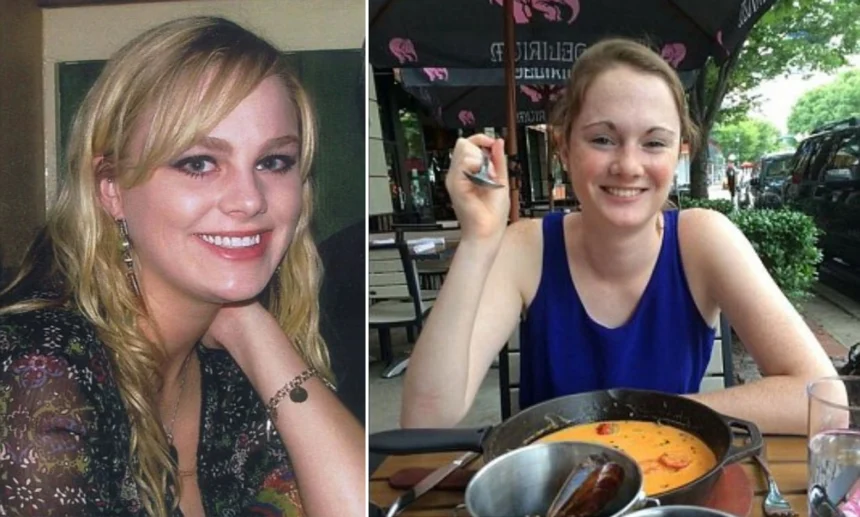
Two young women vanished five years apart in the same college town. What began as separate disappearances slowly revealed a terrifying link. This is the story of Morgan Harrington and Hannah Graham and how their lives became tragically connected.
The Girl Who Loved Home
Morgan Dana Harrington grew up in Charlottesville, Virginia, surrounded by family, music and creativity. She was bright and kind, with a strong love for art and teaching. School came easily to her. She finished high school early, ranked at the top of her class and earned early admission to Virginia Tech. Her goal was simple and heartfelt: she wanted to become a teacher.
Even after starting university, Morgan stayed closely tied to home. She wasn’t someone who drifted away once college began. She visited her parents every single week and spoke to them on the phone every day. Her family described her as a “homebody,” someone who found comfort in familiar places and people.
On October 17, 2009, Morgan and three friends drove to the John Paul Jones Arena at the University of Virginia. They were there to see Metallica, one of Morgan’s favorite bands. She had been excited for months and kept the tickets pinned to her refrigerator. One friend drove them there using Morgan’s car.
Inside the arena, as the opening moments approached, Morgan told her friends she was going to the restroom. She never came back. About twenty minutes later, with Metallica about to take the stage, her friends called her at 8:48 p.m. Morgan said she had been locked out because of the arena’s strict no re-entry policy. There were restrooms inside the arena and to this day, it’s not clear why she left, according to CNN.
Morgan told her friends not to worry and said she would find her own way home. What they didn’t know was that she had no cash, car keys and no safe ride. Those things stayed with the group inside the arena. It was the last time her friends would ever speak to her.
Last Steps Before Disappearance

After leaving the arena, Morgan was seen several times, moving farther away from safety with each sighting. Just after 9 p.m., she was spotted in the University Hall West parking lot. Later, she appeared again in the Lanigan Track parking lot. Witnesses described her as confused and not fully aware of her surroundings.
Around 9:30 p.m., multiple people noticed Morgan walking across the Copeley Street Bridge. Her thumb was out, as if she was trying to get a ride. She looked disoriented. Some witnesses noticed an abrasion on her chin. She appeared freezing, dressed for a concert but not for a long walk in the cold night air.
That moment on the bridge became the last confirmed sighting of Morgan Harrington. After that, she vanished completely.
The next day, Morgan was supposed to visit her parents, Dan and Jill Harrington. Dan was planning to help her study for a math exam. When Morgan didn’t show up and stopped answering her phone, worry quickly turned into fear. Her parents contacted the friends she had gone to the concert with. That’s when the full picture came into focus: Morgan had been separated from the group and no one knew where she was.
Early that morning, around 7 a.m., a lacrosse player made a disturbing discovery. Morgan’s purse was found near the arena. Inside were her student ID, driver’s license, debit card and a hip flask. The area was known as a spot where taxi drivers waited during big events.
Soon after, Morgan’s cellphone was found nearby. The battery had been removed. That detail raised even more alarm.
As concern spread, Morgan’s friends faced public criticism for leaving her behind. Her parents quickly spoke out. Dan Harrington said they were not to blame and reminded people that Morgan was an adult. Jill Harrington made it clear that blame didn’t matter. Finding Morgan did.
Within days, the community mobilized. More than 1,600 people joined search efforts. Flyers spread across town and everyone hoped Morgan would still be alive.
The Search Turns Dark
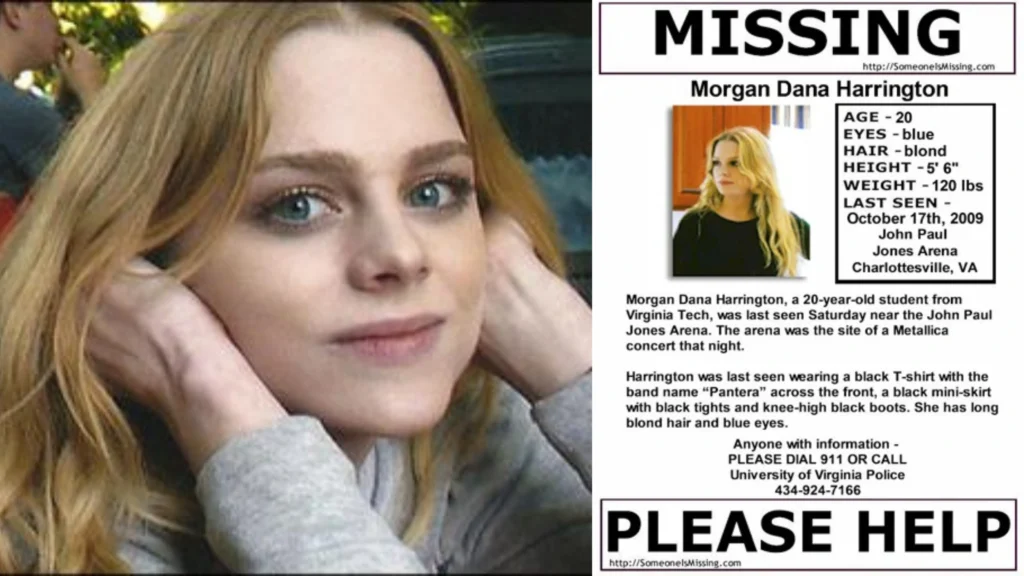
Weeks passed with no sign of Morgan. Then, three weeks after she disappeared, a college student walking back from class noticed something disturbing outside his apartment. A blood-stained T-shirt lay hidden in bushes near the building. The apartment complex was only a short walk from the arena.
The student knew Morgan Harrington was missing and immediately reported the find to police. At the time, no one could confirm if the shirt belonged to her.
While investigators worked, Morgan’s parents lived in a painful state of waiting. Jill and Dan Harrington replayed their last moments with their daughter. Dan remembered how Morgan had asked for help studying for her upcoming math exam.
Jill remembered walking her to the car, just like always. As Morgan pulled away, she flashed a hand signal—two, four, one—their private way of saying, “I love you too much forever, and once more than forever.” It was the last thing Morgan ever said to her mother.
On January 26, 2010, hope ended. A farmer walking his 700-acre property noticed bones on the ground. At first, he thought they belonged to an animal. As he got closer, he realized it was a human skull. There were no clothes, shoes or jewelry nearby, WWBT reports.
The farm sat about ten miles from the arena and more than a mile from any main road. It had no public access. The farmer said he felt it in his gut that the remains belonged to Morgan Harrington.
He was right. After three months of searching, Morgan had been found.
Tragically, Dan Harrington learned about the discovery from a reporter who called asking for comment. Due to decomposition, police could not determine an exact cause or time of death. Her death was ruled a homicide caused by undetermined violence.
“Even though Morgan has been found and she has been murdered. We now need to find the person who did this and we will not stop until that person is brought to justice,” said Dan Harrington.
Morgan’s bones showed signs of severe trauma. She had fractures to her upper left arm, ribs and skull. Her parents believed she suffered greatly in her final moments. Jill later confirmed that Morgan had been raped.
The shirt found weeks earlier was eventually confirmed to be the one Morgan wore the night she disappeared.
A Cold Case Breaks Open
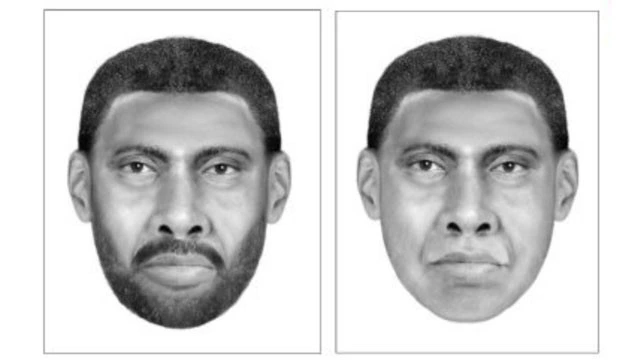
The investigation took a major turn when police recovered DNA from Morgan’s T-shirt. That DNA matched evidence from a cold case dating back to 2005.
In that earlier case, a 26-year-old woman identified as R.G. had been brutally attacked in Fairfax, Virginia. On September 24, 2005, she was walking home from a grocery store around 8:30 p.m. When she reached the stairs of her apartment, a man grabbed her from behind and dragged her into a grassy area.
Her head was slammed into the ground. She was punched, choked and sexually assaulted. When she screamed, the attacker threatened to kill her. At one point, she lost consciousness. When she came to, headlights appeared and the attacker ran away. A passerby helped her and tried to chase the man but failed.
R.G. completed a rape kit and DNA was found under her fingernails. At the time, the DNA didn’t match anyone in police databases. Terrified, R.G. returned to her home country of India. The case went cold.
R.G. later described the aftermath as unbearable. She was badly injured, bleeding and in pain. For months, she struggled to get out of bed and fell into deep emotional distress. Now, years later, the same DNA linked her attack to Morgan Harrington’s murder. Police released a composite sketch of the suspect.
Metallica’s lead singer, James Hetfield, released a video asking for help. The band offered a $50,000 reward. Combined with other funds, the reward reached $150,000. Still, five more years passed before answers fully emerged. During that time, another young woman would vanish.
Hannah Goes Missing
Hannah Elizabeth Graham was 18 years old and a second-year student at the University of Virginia. Born in Reading, England, in 1996, she moved to Virginia with her family when she was five. She was athletic, smart and full of promise.
On the night of September 12, 2014, Hannah attended two parties with friends. Around 11 p.m., she left one party with another friend to go to a second gathering. She didn’t stay long and told people she felt unwell and wanted to leave. Some accounts said she was very intoxicated, per NBC4 Washington.
A friend offered her a ride home. Hannah declined and left on foot. At 1:20 a.m., she texted a friend saying she was lost and trying to find another party. That message would be the last anyone received from her.
The next day, Hannah missed plans with friends. By Sunday, concern had grown serious. Her parents were contacted and she was reported missing just after 4 p.m. Because of what had happened to Morgan Harrington years earlier, fear spread quickly through the community.
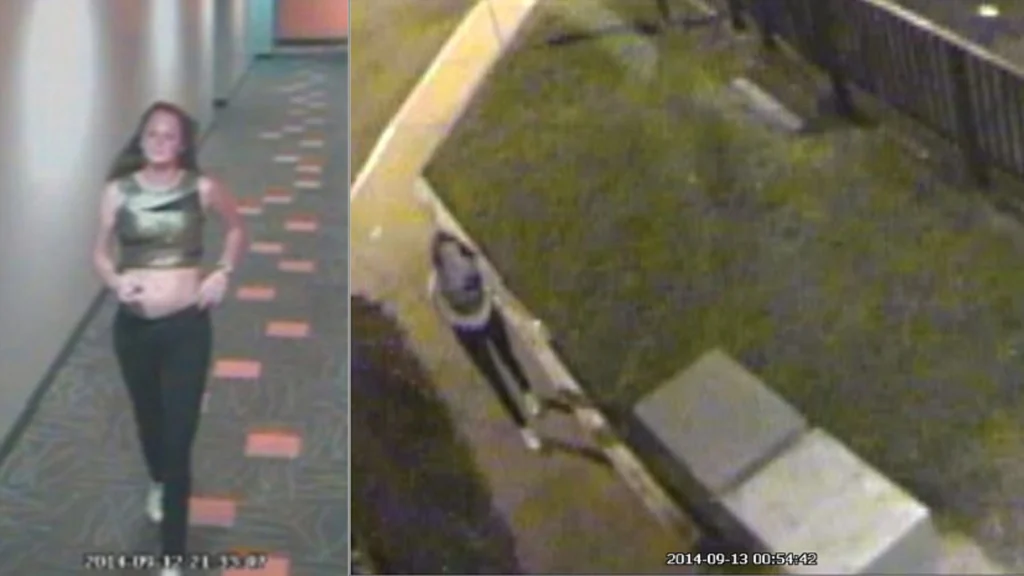
Police moved fast. Charlottesville had extensive CCTV coverage and investigators began retracing Hannah’s steps. Surveillance footage showed her walking alone past McGrady’s pub around 12:45 a.m. Ten minutes later, she was seen running past a Shell gas station.
At Sal’s Pizza, cameras captured a man walking behind Hannah. During the investigation, he told police he had followed her briefly because she appeared distressed and he wanted to make sure she was safe. Later footage showed a different man crossing the street and beginning to follow her much more closely. A witness later said this second man put his arm around Hannah and took her to a bar called Tempo, where he bought her a drink.
Later, Hannah was seen standing beside an orange car with the same man. A nearby witness overheard her refusing to get inside. According to CBS News, the witness later told police that when Matthew unlocked the passenger door of his Chrysler Sebring and opened it, Hannah pulled back and said, “I’m not getting in that car with you. What is it, stolen?” Shortly after that encounter, Hannah sent a text to a friend saying she was lost.
A Familiar Pattern
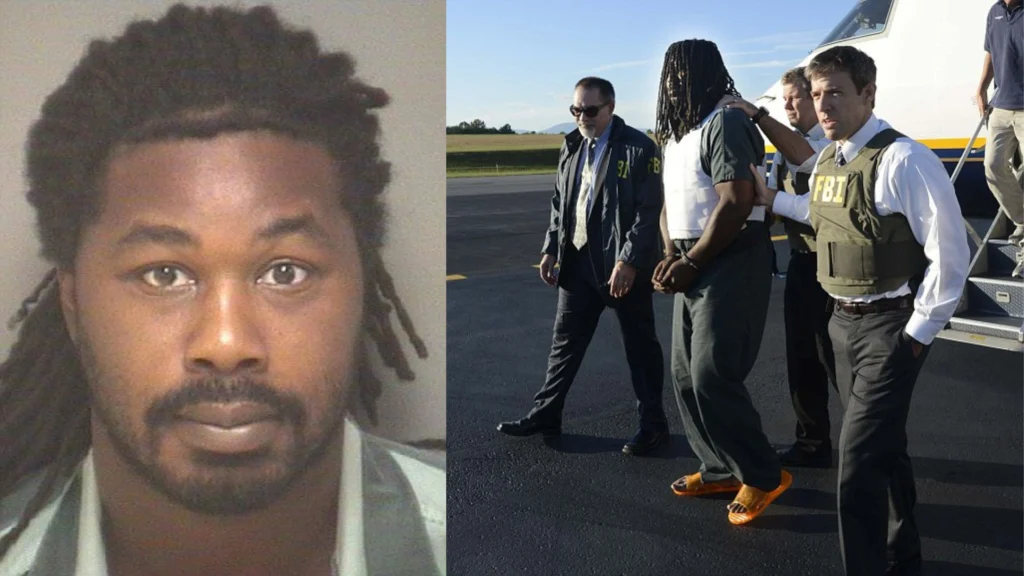
The man seen with Hannah was identified as a person of interest. He was 32-year-old Jesse Matthew Jr., a nursing assistant and occasional taxi driver. The night Hannah disappeared, Jesse had been seen in multiple bars, approaching women and behaving inappropriately. Police searched his apartment and collected evidence.
On September 21, Jesse visited the Charlottesville police station and spoke briefly with officers. He then asked for a lawyer and was released. As he left, he drove away at a dangerously high speed, leading police to charge him with reckless driving and issue a warrant.
Hundreds of volunteers joined search efforts. Police believed Hannah was either still in Charlottesville or in nearby counties. Property owners were asked to search their land.
“To think that another family is going through that anguish is difficult,” says Gil Harrington. “The missing phase Dan and I always said is the most challenging because you are filling in the blanks in terrible ways and every moment you think of another scenario.”
On September 22, police searched Jesse’s apartment again and collected more items. The next day, he was charged with abduction with intent to defile. By then, he had withdrawn all his money and fled. Jesse was found days later camping on a beach in Texas, over 1,300 miles away. He was arrested and denied bond.
On September 29, forensic testing revealed major connections. Evidence from Morgan Harrington’s case matched Jesse Matthew. Items from his apartment contained Hannah’s DNA. Her DNA was also found in his car. His DNA matched the 2005 assault of R.G.
Police learned Jesse had been accused of sexual assault twice while attending two different colleges. Each time, he left the school and no charges were filed.
Thirty-five days after Hannah disappeared, search teams found human remains on abandoned land in Albemarle County. Six days later, the remains were identified as Hannah’s. Her death was ruled a homicide of undetermined cause.
Her remains were found just five miles from where Morgan Harrington had been discovered.
Justice, Without Trials
Jesse Matthew was indicted on multiple charges. In the R.G. case, he faced attempted murder, sexual penetration and abduction. He pleaded not guilty at first. In Hannah Graham’s case, he was charged with first-degree murder, later upgraded to capital murder, meaning the death penalty was possible.
In June 2015, Jesse entered an Alford plea in the R.G. case. He denied guilt but admitted the evidence could convict him. He received three life sentences.
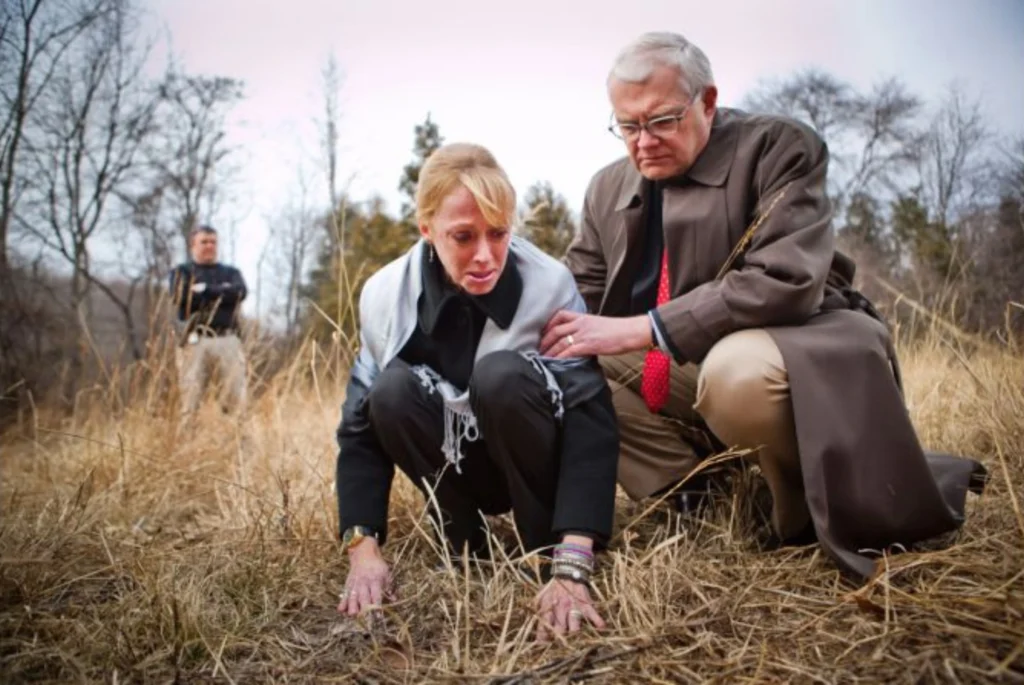
Later, he was charged in Morgan Harrington’s case. Police believed he may have lured her into his taxi while she searched for a ride. During a hearing, Jill Harrington held Jesse’s mother’s hand. She said she felt no anger toward his family.
In March 2016, Jesse accepted a plea deal. He pleaded guilty to two counts of first-degree murder and two counts of abduction with intent to defile. He avoided the death penalty but received four additional life sentences.
In total, Jesse Matthew Jr. received seven life sentences without parole. Both families supported the deal, relieved they would not face trials.
It is believed Jesse Matthew Jr. may have harmed others, though no additional victims have been confirmed. In 2019, he was diagnosed with stage IV colon cancer and transferred to another prison to receive medical treatment, WSET reports.
Morgan’s parents created Help Save the Next Girl, a national nonprofit focused on campus safety, awareness and victim support.