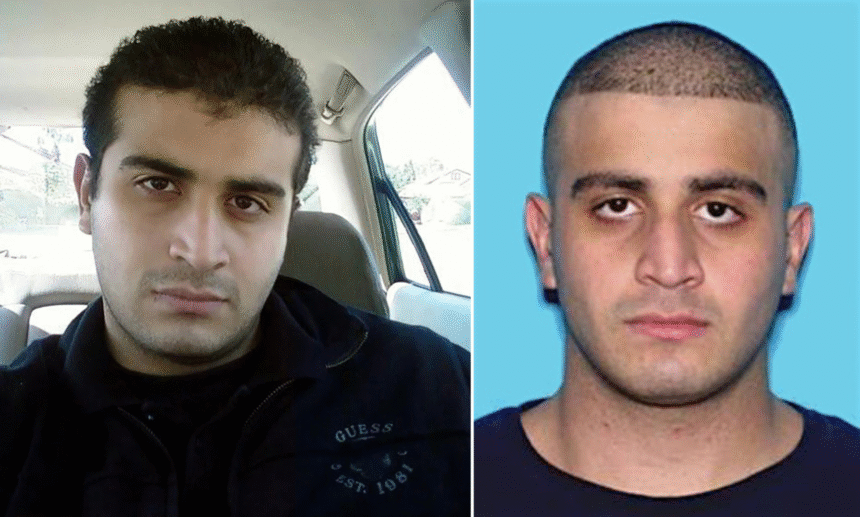
On June 12, 2016, 49 people died and 58 were wounded at Pulse nightclub in Orlando, Florida, in what became the deadliest terrorist attack on American soil since September 11, 2001.
The Shooter’s Background
Omar Mateen was born in New York to Afghan immigrant parents and raised in a Muslim household. His family later moved to Florida, where he would spend most of his adult life. From the beginning, Mateen showed troubling behavior that would later prove significant.
In 2006, he began training as a prison guard for the Florida Department of Corrections, but his employment ended abruptly in April 2007. The reason was disturbing. He had joked about bringing a gun to school, prompting a warden to recommend his termination.
His attempts at law enforcement careers repeatedly failed. In 2011, he could not become a Florida state trooper. In 2015, a police academy rejected his application. A classmate from the academy later recalled a chilling incident at a cookout in 2007.
Mateen had threatened to shoot his classmates after his hamburger touched pork, violating Islamic dietary laws.
Despite these warning signs, Mateen found employment as a security guard with G4S Secure Solutions in 2007. The company conducted two screenings, one upon hiring and another in 2013, and both cleared him. He held active firearms and security officer licenses and passed psychological testing. His record remained clean.
His personal life was troubled. His first marriage in 2009 ended within months, with his ex-wife later describing him as mentally unstable and physically abusive. She mentioned his steroid use, which his autopsy would confirm.
By the time of the shooting, he had remarried and had a young son. The FBI had investigated him twice before the attack. In 2013, coworkers reported his claims of connections to terrorist organizations. In 2014, investigators linked him to an American who committed a suicide bombing in Syria. Both investigations closed without action.
Latin Night at Pulse
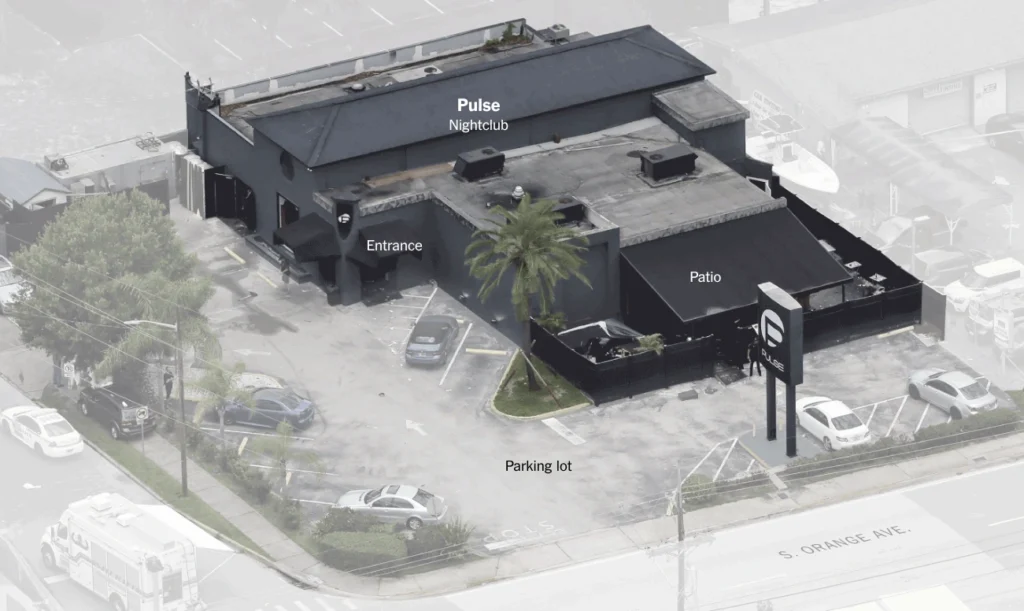
Saturday, June 11, 2016, was Latin Night at Pulse, a popular gay nightclub in Orlando. The weekly event drew a primarily Latino crowd, and that night was no different. RuPaul’s Drag Race contestant Kenya Michaels was performing on stage.
About 320 people remained inside as the night approached its end. The bar announced last call around 2:00 a.m. on June 12.
At approximately the same time, Omar Mateen arrived in a rental van. He parked in the lot of a neighboring car shop. He stepped out wearing a green, blue, and white plaid shirt over a white T-shirt and tan cargo pants.
His weapons were a SIG Sauer MCX semi-automatic rifle and a 9mm Glock 17 pistol. He had purchased both guns legally from a Port St. Lucie shop just days earlier, the rifle on June 4 and the pistol on June 5.
Officer Adam Gruler, an off-duty Orlando Police officer working security that night, was stationed at the entrance. At 2:02 a.m., Mateen walked past Gruler, entered through the southern entrance, and opened fire. The crowded dance floor became a scene of carnage within seconds. Dozens fell from direct hits or ricocheting bullets.
Gruler immediately recognized the danger. His handgun was severely outmatched against the rifle. He took cover and called for backup. When he saw Mateen shooting two patrons trying to escape through an emergency exit, Gruler fired back.
Mateen retreated into the building, continuing to shoot as he moved. He sometimes fired into bodies without checking if they were already dead. By the time additional officers arrived at 2:04 a.m., the situation had evolved from active shooting to something far worse.
Five Minutes of Terror
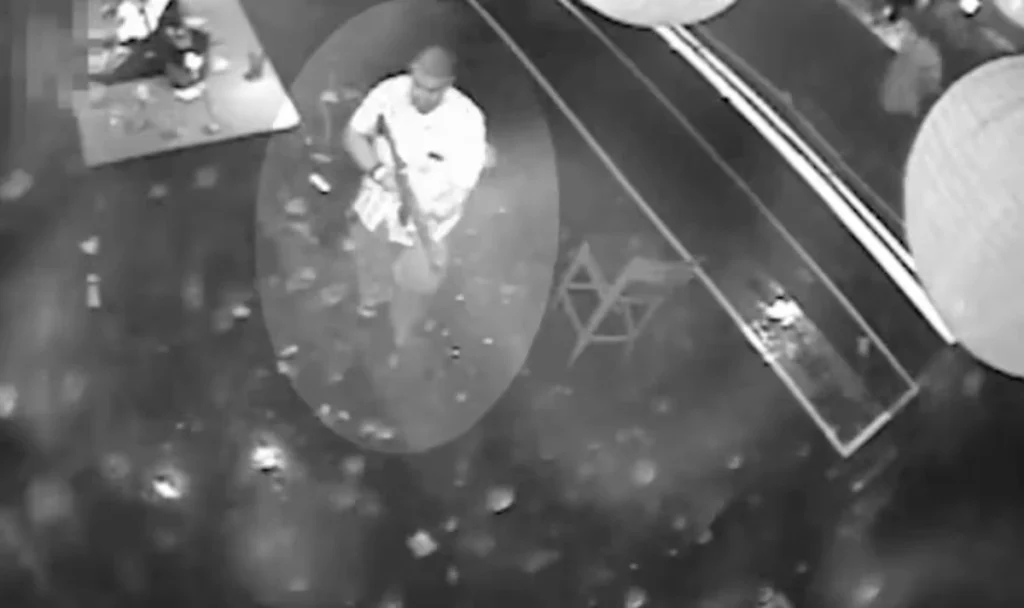
According to CBC, in less than five minutes, Mateen fired approximately 200 rounds, pausing only to reload. The loud music and darkness created chaos and confusion. Some patrons initially mistook the gunfire for firecrackers or part of the music. Others immediately understood the danger.
Imran Yousuf, a recently discharged Marine Corps veteran working as a bouncer, recognized the sounds instantly. He described them as high caliber fire. Near him, a group of people huddled by a locked back door, frozen with fear.
Yousuf ran to the door and unlatched it, allowing approximately 70 people to escape unharmed. His quick thinking saved dozens of lives.
Inside, the horror continued. One woman survived by hiding in a bathroom and covering herself with bodies. A bartender took cover beneath the glass bar. At least one patron tried to help those who had been shot.
In one bathroom, a man trapped with fifteen other people counted as Mateen fired sixteen times through the closed door, killing at least two and wounding several more.
Mateen eventually entered a bathroom on the northwest side, opening fire on people hiding there. Several were wounded. One hostage, taking cover inside a stall with others, was hit by two bullets and struck by wall fragments from stray shots. During this time, Mateen’s rifle jammed. He discarded it and switched to his Glock pistol.
Survivors later reported his statements. He told them he had no problem with black people. He said he would not stop until America stopped bombing his country. He claimed to have explosives and snipers positioned around the club.
By 2:09 a.m., Pulse posted on its Facebook page urging everyone to get out and keep running. Two officers had joined Gruler in engaging Mateen, who then retreated further into the building and began holding hostages in one of the bathrooms.
The Three-Hour Standoff
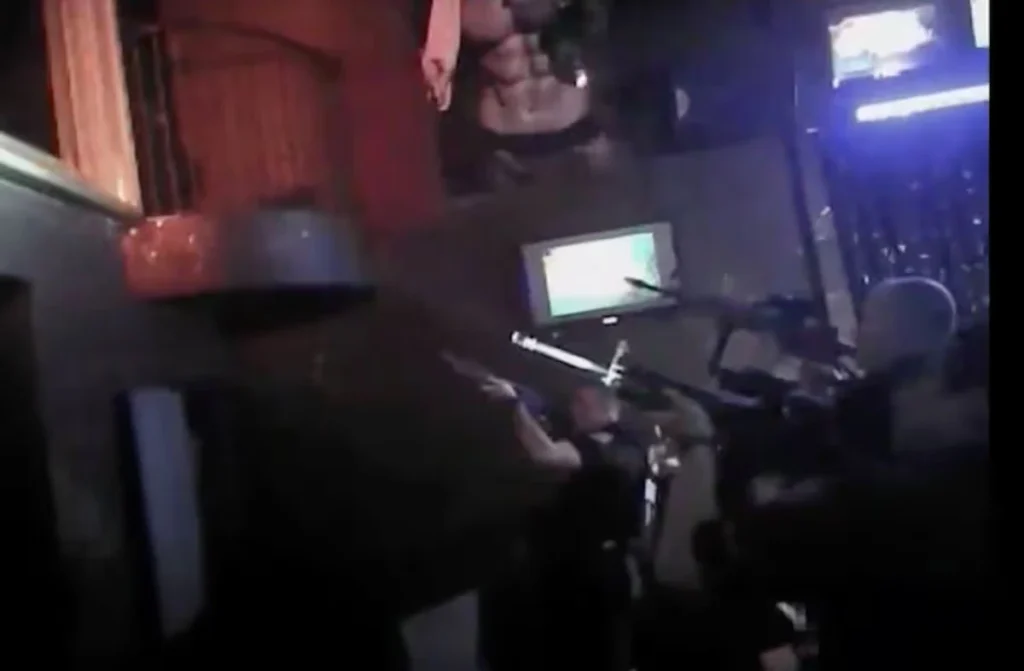
At 2:22 a.m., Mateen called 911. He mentioned the Boston Marathon bombers as his homeboys and referenced Moner Mohammad Abu Salha, an American who died in a Syrian suicide bombing in 2014.
He swore allegiance to ISIS leader Abu Bakr al-Baghdadi. The FBI later confirmed that Mateen and Abu Salha had attended the same mosque and knew each other casually.
Between 2:45 and 3:27 a.m., Mateen made several more calls. He contacted News 13 of Orlando, declaring himself the shooter and claiming responsibility on behalf of ISIS.
He said the attack was triggered by a U.S. airstrike that killed ISIS commander Abu Waheeb on May 6. To negotiators, he repeatedly demanded that America stop bombing Syria and Iraq, stating they were killing innocent people, including women and children.
Over 100 officers from the Orlando Police Department and Orange County Sheriff’s Office arrived at the scene within 45 minutes of the first shots. SWAT teams took over from initial responders who were not equipped with proper tactical gear.
The last shot Mateen fired came between 2:10 and 2:18 a.m., after which he barricaded himself with hostages.
Police Chief John Mina later explained the decision not to storm the bathroom immediately. Mateen had transitioned from active shooter to barricaded gunman with hostages.
He claimed to have explosives strapped to his body and a vehicle in the parking lot with enough bombs to destroy city blocks. Officers found what they initially believed was a suspicious device, though it turned out to be a battery from an exit sign or smoke detector.
At 3:58 a.m., police publicly confirmed the shooting and multiple injuries. At 4:21 a.m., eight hostages escaped after police removed an air conditioning unit from an exterior wall. By 2:35 a.m., most injured victims had been extracted, though hostages remained trapped in the bathroom and a dozen people hid in dressing rooms.
The Final Assault
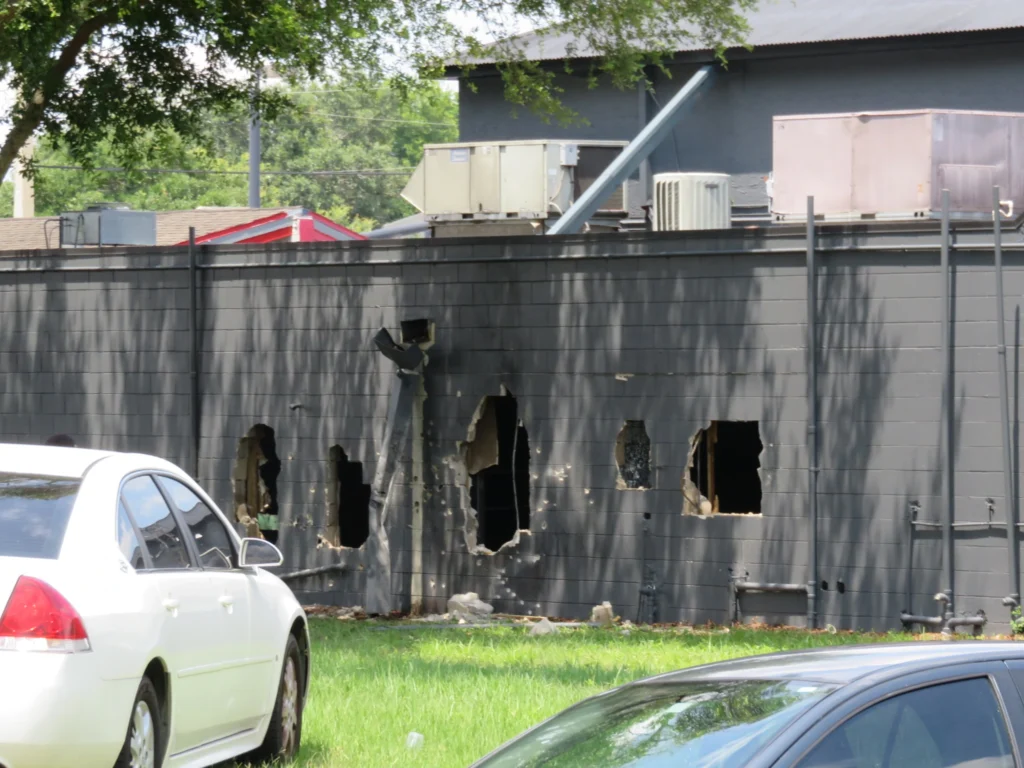
At approximately 4:29 a.m., Mateen escalated his threats. He told negotiators he planned to strap explosive vests to four hostages, position them in different corners of the building, and detonate them in fifteen minutes. This threat, similar to tactics used in the November 2015 Paris attacks, forced police to act.
Officers prepared to breach the building. Just before they moved in, Mateen entered the women’s bathroom where hostages were hiding and opened fire again. A man died shielding a woman behind him. At least one other person was killed.
At 5:05 a.m., a bomb squad set off a controlled explosion. Two minutes later, fourteen SWAT officers attempted to blow a hole in the bathroom’s exterior wall, but the structure resisted.
They succeeded when a policeman drove a BearCat armored vehicle through the wall. Officers deployed two flashbangs to distract Mateen.
The breach drew Mateen into the hallway. At 5:14 a.m., he engaged officers. Eleven officers fired approximately 150 rounds. Mateen was hit eight times, once in the head, three times in the torso, and four times in the legs.
He was confirmed dead at 5:17 a.m. His autopsy later revealed he was sober during the attack and showed signs of long-term steroid use, the NBC News reports.
Thirty hostages were freed during the operation. At 5:53 a.m., Orlando police announced on Twitter that the shooter was dead. The toll was devastating. Thirty-nine people, including Mateen, died at the scene.
Eleven more died at local hospitals. Twenty died on the dance floor, nine in the northern bathroom, four in the southern bathroom, and others scattered throughout the building. At least five victims died not in the initial shooting but during the hostage situation.
The Victims and the Aftermath
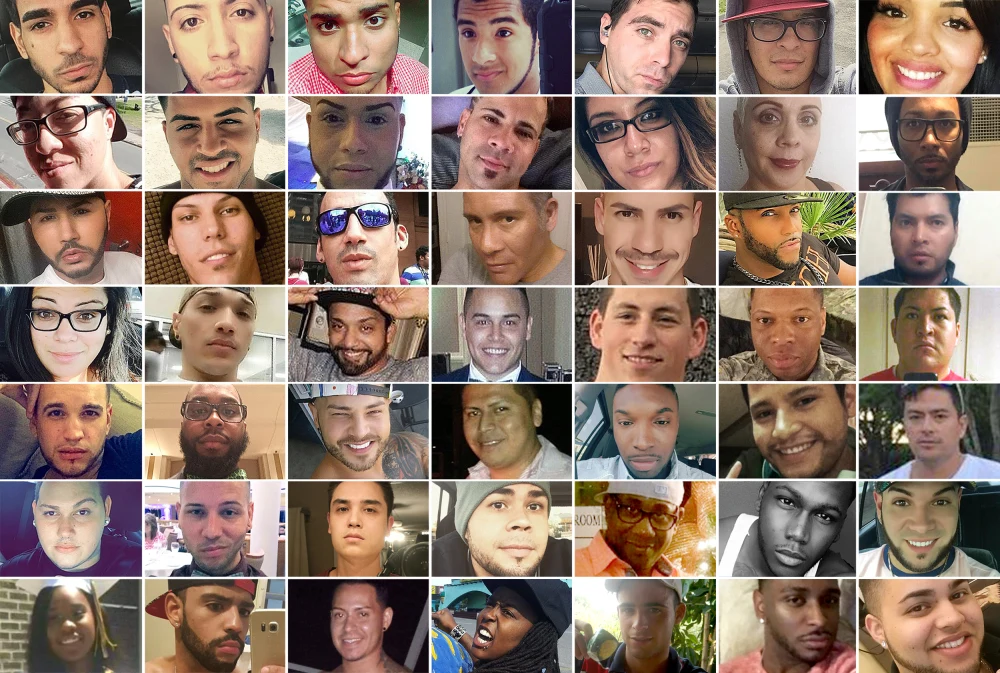
The 49 victims ranged in age from 18 to 50. Over 90 percent were Hispanic, and half were of Puerto Rican descent. Four Dominican nationals and three Mexican nationals were among the dead.
An off-duty United States Army Reserve captain also died. Most victims suffered multiple gunshot wounds, many from close range. More than a third were shot in the head.
The wounded, 53 from gunfire and five from other causes, were rushed to nearby hospitals. Orlando Regional Medical Center received 44 patients and performed 76 surgeries on 35 of them. Nine patients died there. The last victim was discharged nearly three months later, on September 6.
The FBI took lead of the investigation after classifying the attack as terrorism. They found no evidence linking Mateen directly to ISIS or any foreign terrorist network. He appeared to be radicalized through the internet rather than through organized training.
Investigators discovered he had searched for downtown Orlando nightclubs on the night of the attack, passing by Disney Springs before choosing Pulse, apparently based on its lack of security rather than because it was a gay venue.
His wife, Noor Salman, was arrested in January 2017 and charged with aiding and obstruction. The prosecution accused her of knowing about his plans. During her trial in March 2018, the defense revealed that cell phone evidence contradicted her confession about helping scout locations.
They also disclosed that Mateen’s father had been an FBI informant between 2005 and 2016. On March 30, 2018, the jury acquitted Salman of both charges, though the foreman stated they believed she knew something about her husband’s plans.
Legacy and Memorial Efforts
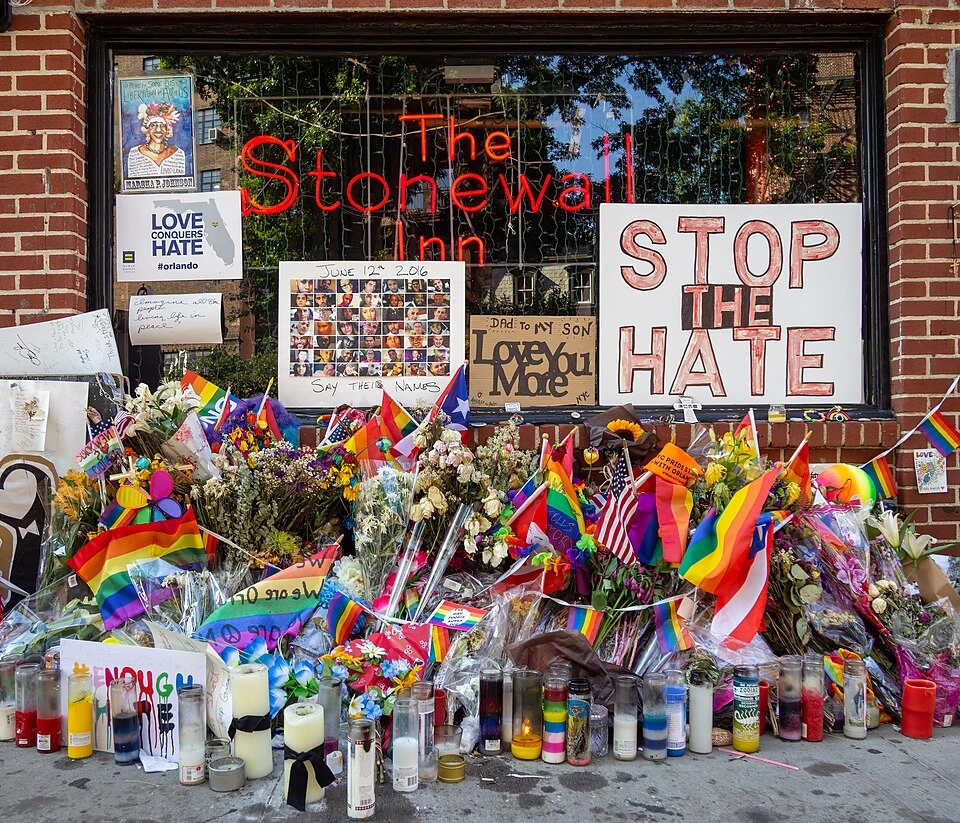
The shooting prompted immediate action across multiple fronts. Equality Florida raised over $7.85 million for victims through GoFundMe. The OneOrlando fund collected $27.4 million, which was distributed to families of the deceased and survivors.
Both hospitals that treated victims announced they would not bill survivors or seek reimbursement.
Security procedures at venues across America were reexamined. Police forces increased protection at LGBTQ landmarks and Pride events. The incident also reignited debates about gun control and the FDA’s policy restricting blood donations from men who had sex with men within the past year.
The Pulse building remained standing, surrounded by a commemorative fence with local artwork honoring victims. In November 2016, the city planned to purchase the property for $2.25 million to create a memorial, but the owner declined due to emotional attachment.
The OnePulse Foundation was created with plans for a memorial and museum, but those plans were suspended in October 2023 after the foundation raised $20 million without completing the project.
In December 2023, Orlando Mayor Buddy Dyer announced a new approach. The city would establish the Orlando United Pulse Memorial Fund to raise money for a permanent memorial through community donations. The planned opening is 2027.
A rainbow-colored crossing was installed near the site in October 2017 at a cost of $2,900 to honor the victims. The 2025 Florida state budget included $394,421 for the Pulse National Memorial.
The massacre remains the deadliest terrorist attack in America since September 11, 2001, and the deadliest act of violence against LGBTQ Americans in the nation’s history.
The FBI never concluded definitively whether the attack was motivated by anti-LGBTQ hatred or purely by Mateen’s stated grievances about American military action in the Middle East. What remains certain is that 49 people went to a nightclub on Latin Night and never came home.