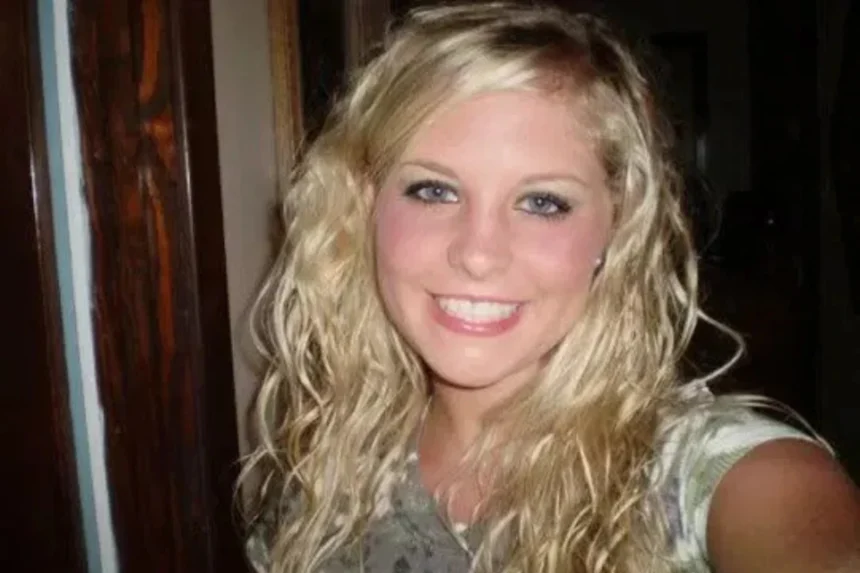
On a cool spring morning in April 2011, the peaceful rhythm of life in Darden, Tennessee, was broken in a way no one could have imagined. Darden wasn’t the sort of place where young women vanished without a trace. But on April 13, 2011, 20-year-old nursing student Holly Lynn Bobo walked into the woods behind her family’s home—and never came back.
The Day of Disappearance
Holly had grown up in this small Decatur County community, the kind of place where most everyone knew one another. She was born on October 12, 1990, and was known for her warm personality and dedication to becoming a nurse. Friends described her as a “bright, sweet” young woman whose life revolved around school, family, and the simple joys of small-town living.
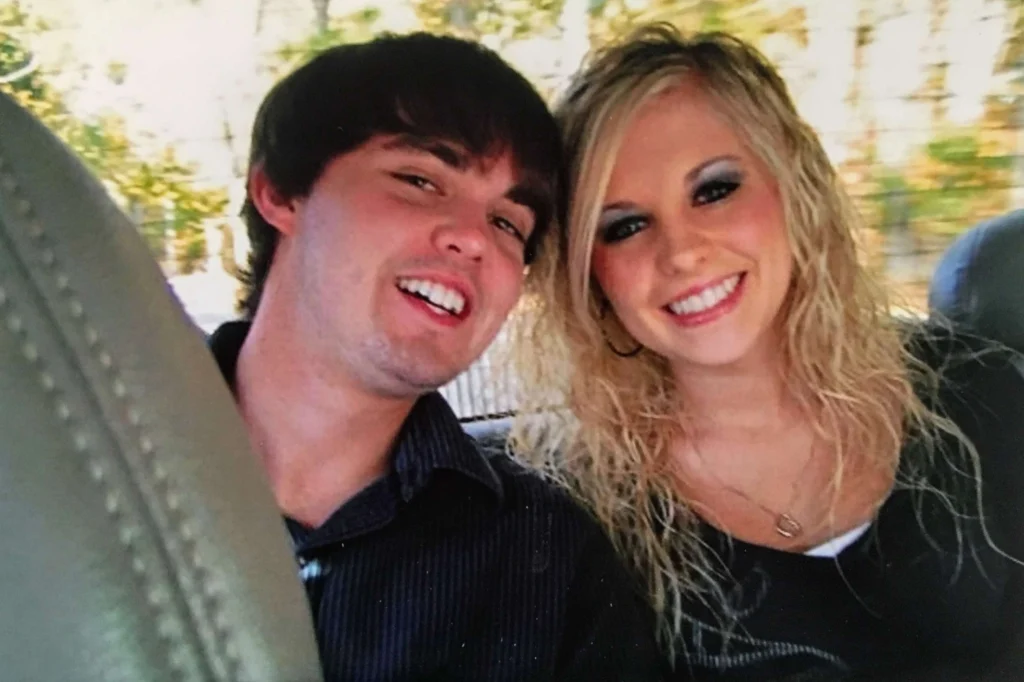
That morning began like many others. Holly was up early to study for an exam. She spoke briefly to her boyfriend, Drew Scott, around 7:30 a.m. By 7:42, she made her last outgoing call. Then, neighbors heard a scream.
Inside the house, her brother Clint was sleeping when the dogs began barking. He got up, looked outside, and saw Holly in the garage area speaking in a tense manner with a man dressed head-to-toe in camouflage. At first, Clint thought it might be Drew. Their mother, Karen Bobo, happened to call at that moment, and Clint described what he was seeing. Karen’s voice was urgent—she told him to call 9-1-1.
Clint grabbed a gun but hesitated to use it. If the man really was Holly’s boyfriend, a mistake could be tragic. He then watched as the man led Holly into the woods behind their home, the CBS News reports. Later, investigators would find blood stains in the garage.
Not long after, Holly’s phone went silent. Tracking data showed it traveling north before stopping in a wooded area near Interstate 40. It was the first solid clue in a case that would take years to unravel.
A Search That Grew Into a Statewide Effort
The Tennessee Bureau of Investigation (TBI) quickly became involved, and hundreds of volunteers joined the search. The case drew statewide attention, then national coverage. But days turned to weeks, and the answers remained elusive.
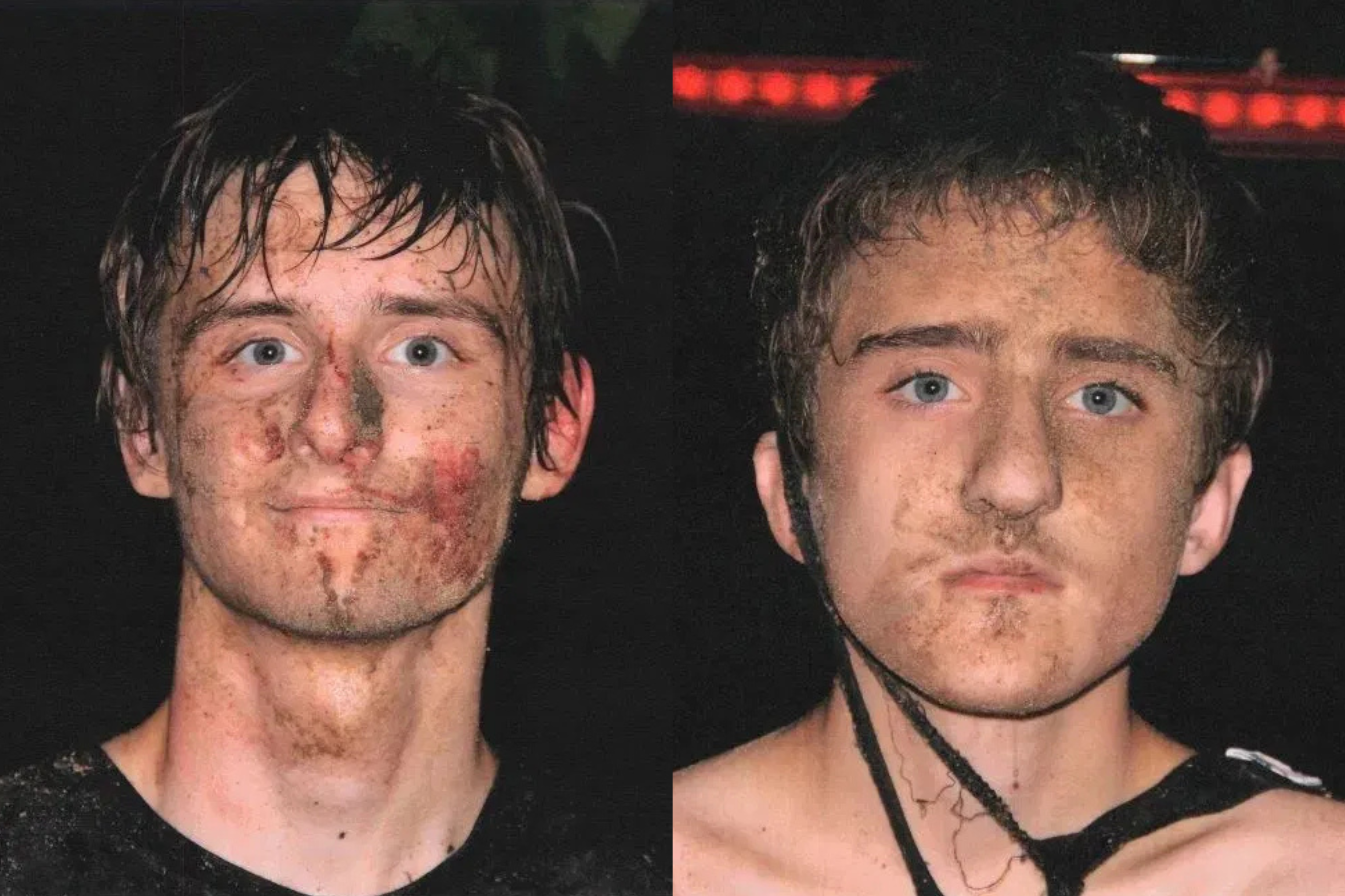
Six men would eventually be connected to the case in one way or another. Three of them—Zach Adams, his brother John Dylan Adams, and Jason Autry—were charged with aggravated kidnapping, rape, and first-degree murder.
John Dylan Adams, who had an intellectual disability, gave investigators a disturbing account. He said he saw Holly alive at his brother Zach’s house after the kidnapping. According to his statement, she was raped and killed. But his version of events shifted at times, and some parts were later recanted. Even so, his statement was enough to help prosecutors move forward with charges.
Two other men, Jeffrey and Mark Pearcy, faced charges for tampering with evidence and being accessories after the fact, but both saw those charges dropped. Another suspect, Shayne Austin, died by suicide before he could be brought to trial.
The Discovery
For more than three years, Holly’s fate remained uncertain. Then, in September 2014, two men searching for ginseng stumbled upon human remains in a wooded area of northern Decatur County. Forensic tests confirmed it was Holly.
The news devastated her family but also gave them the answer they had been seeking. Holly’s death was ruled a homicide, caused by a gunshot wound to the back of the head, per Action News 5.
At a press conference, the family’s attorney said, “We’ve lost a precious daughter, sister, granddaughter, niece, cousin and friend. However, those responsible have lost their souls. Holly’s soul is the one thing that their brutality could not diminish or extinguish.”
Decatur County Sheriff Keith Byrd was equally blunt: “They can run, but they can’t hide.” It was a vow to keep pushing until justice was done.
Building the Case
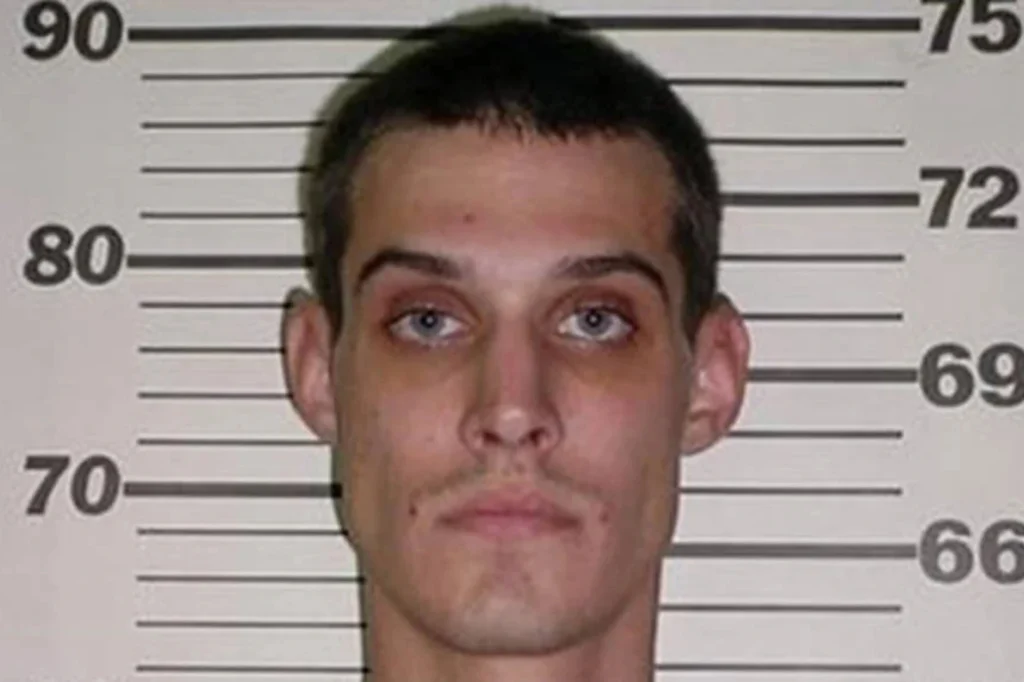
By the time of the discovery, investigators had been piecing together a web of witness accounts, statements, and bits of physical evidence. Zach Adams emerged as the central figure in the prosecution’s case.
Prosecutors told jurors that Zach had once threatened his girlfriend, saying he would “tie me up just like he did Holly Bobo and nobody would ever see me again.” That statement became one of the prosecution’s most memorable lines.
A gun believed to have been used in Holly’s killing was presented in court. Forensic testing couldn’t definitively connect it to her death, but it was enough to bolster the narrative the state was building.
Jason Autry, facing charges himself, agreed to testify against Zach. In exchange, he received a lighter sentence. His testimony placed him at the center of the events after Holly’s abduction and provided details prosecutors used to fill in the gaps.
The trial, which began in September 2017, was watched closely not only by the people of Decatur County but across Tennessee. Emotions ran high in the courtroom.
Zach Adams was found guilty of first-degree murder, especially aggravated kidnapping, and aggravated rape. His sentence was life in prison without parole, plus two consecutive 25-year terms.
John Dylan Adams didn’t face the same charges. He was convicted of facilitating the crime and given 35 years in prison. Jason Autry, after his plea deal and testimony, was eventually released but later found himself in trouble again on unrelated charges.
Questions That Wouldn’t Go Away
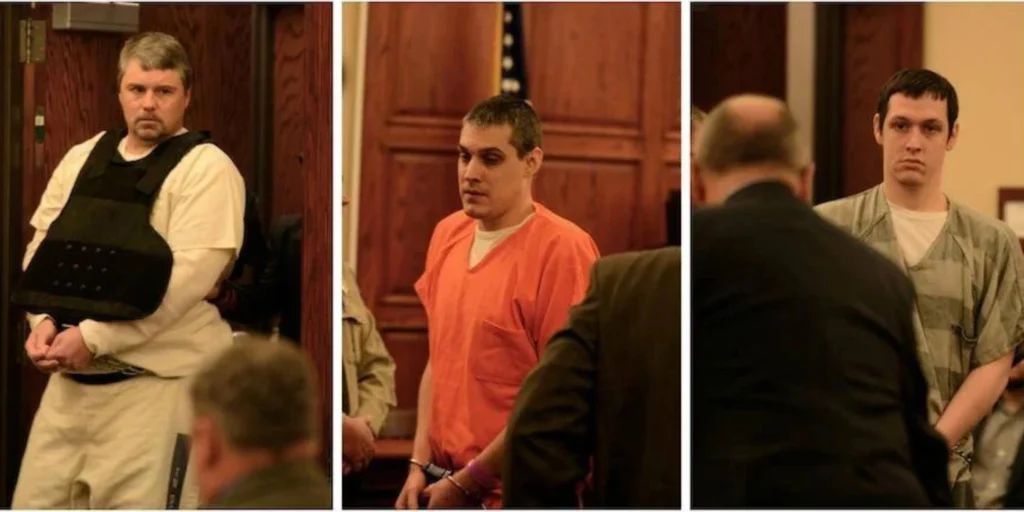
Even after the verdicts, parts of the case remained controversial. Defense attorneys argued that there was no hard forensic evidence tying Zach Adams to Holly’s remains or the crime scene. They pointed out inconsistencies in eyewitness descriptions and raised doubts about whether John Dylan Adams’s confession had been pressured or manipulated.
The timeline, too, was a sticking point. How exactly the events of that morning unfolded—and who all was involved—was never fully agreed upon. Some suspected that more people might have played a role, though no one else was charged.
District Attorney Matt Stowe acknowledged how complex and draining the case had been. “The time for talking is coming to a close,” he said before the trial began, signaling that his focus was on securing convictions.
Holly’s family didn’t hide their feelings about what justice meant to them. Sheriff Byrd even said, “Personally, I think it’d be just,” when asked about the possibility of the death penalty.
The murder of Holly Bobo left deep scars in Decatur County. For years, residents had followed every update, hoping for answers. They lined the roads during searches, tied pink ribbons in her honor, and stood together in solidarity with her family.