
In the early hours of September 13, 2013, a man was shot to death in a bedroom in Georgia. The woman who fired the weapon told police she acted in self-defense.
A Troubled Relationship
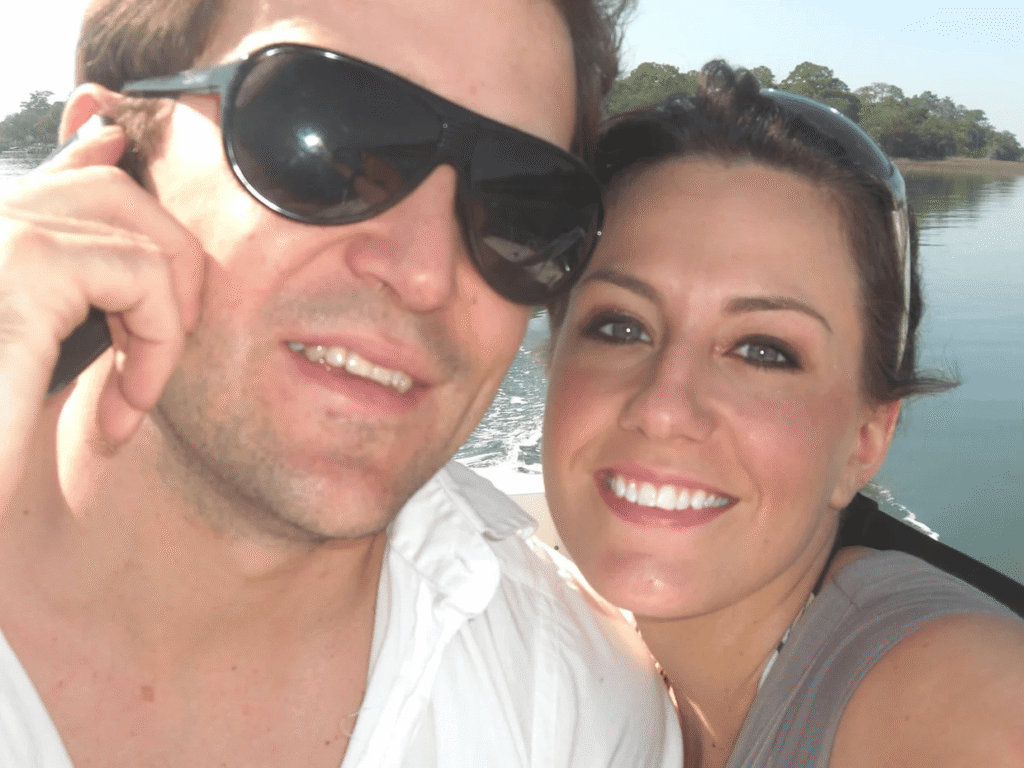
Victoria Rickman and Will Carter Jr., both 30 years old in 2013, met through mutual friends and dated for about three years. Rickman was a divorced mother with a young son and worked as a marketing consultant.
Carter had a daughter of about the same age as her son, and their children became one of the first things the couple bonded over. Carter was attentive to his daughter, and Rickman admired that quality in him.
At one point the two moved in together and became engaged. Rickman’s friend Britni Morgan said that Rickman hoped to marry again and to build a family for herself and her son.
The relationship, however, deteriorated. Frequent arguments led the couple to live apart, and they moved back and forth between separation and reconciliation. Morgan described the pattern as toxic.
About a year before September 2013, an argument between the two ended with Carter arriving at his parents’ home bleeding.
His father, William Carter Sr., said that Rickman had struck his son on the head with a hammer and had bitten him on the back. The elder Carter told his son that if Rickman had owned a gun, she would have killed him.
Rickman gave police a different account of the fight. She said that Carter had tried to force her to have sex and that she had used the hammer to fight him off. Carter was arrested on charges of sexual battery and simple assault.
Two weeks later, the elder Carter said, he came upon Rickman standing in the family’s driveway with his son. He told her that she could never come to his home again.
He said she became furious, told him he had no right to give her orders, and declared that she had a gun and knew how to use it. Rickman eventually declined to press charges, and the case against Carter was dismissed.
Warning Signs in 2013
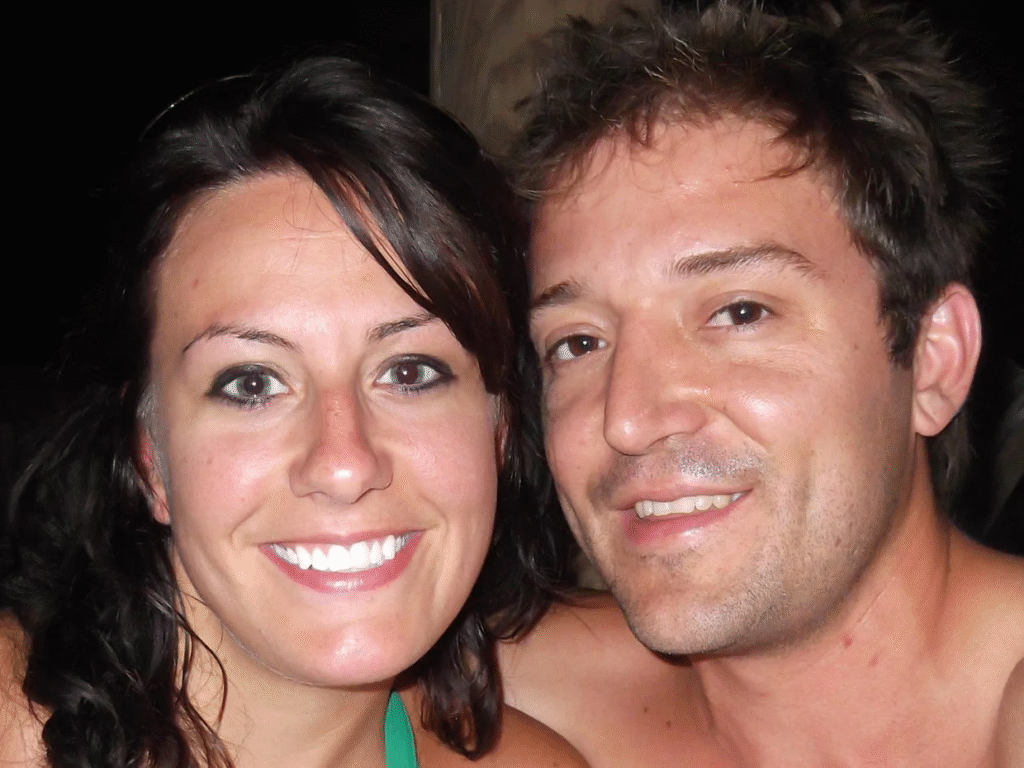
In May 2013, Rickman used her cell phone to record herself as she tried to enter Carter’s home. In the video, Carter repeatedly tells her that she is not coming inside, says he never told her to be there, orders her to leave, and states that he is scared of her.
Rickman answers that he is a toxic web of lies and says she is going to call the police. This time, Rickman was the one arrested, and she was charged with battery. The charge was still pending that September.
Roughly four months before the shooting, Rickman reported to police that Carter had beaten her, and she photographed her injuries as documentation. She went to a courthouse to seek a restraining order, but the office was closed.
A Cobb County deputy sheriff named Rick Price, who was working there, noticed bruising on her arms and the outlines of black eyes. Rickman told him that her ex had beaten her and that she needed a protective order.
Price later gave Rickman one of his personal handguns for her own protection. He encouraged her to use it where Carter was concerned, and he took her to a gun range so that she could practice.
The Night of September 12
On the evening of September 12, 2013, Rickman was staying at a house owned by Andrew Scarr, a lifelong friend. She occupied the back bedroom. Early that evening she told Scarr she wanted to be alone and asked him to spend the night at his mother’s home, and he left.
Rickman then spoke with Carter by phone. Police do not know what was said during the conversation. Sometime after midnight, Carter arrived at the house.
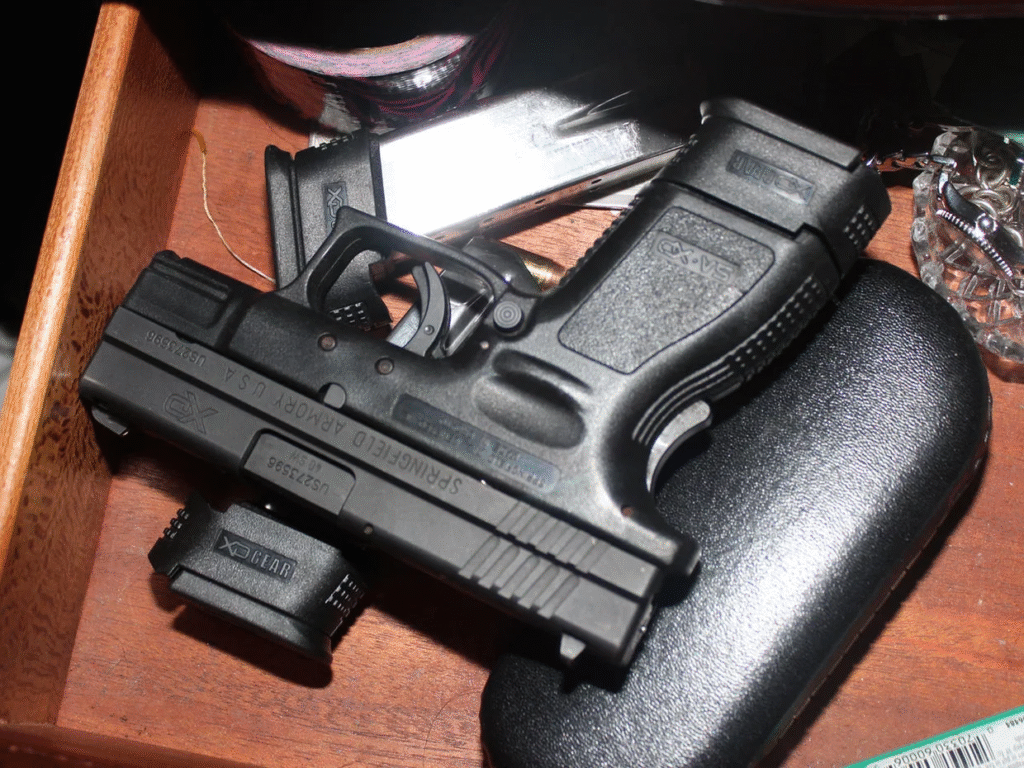
He was shot in the back bedroom with a .40-caliber semiautomatic handgun that had been kept in the room. It was the weapon Price had given Rickman. She fired nine times, and every shot struck Carter.
Before contacting emergency services, Rickman called Price. The call lasted about two minutes, and Price told her to dial 911. She did so, and she told first responders that Carter had raped her. She admitted shooting him and said she had done it to protect herself.
The Investigation
At about 3:00 a.m., Atlanta police detective Summer Benton, the lead homicide detective on the case, received a telephone call.
She was told that a woman had stated she had been raped and had shot and killed her rapist. Benton, a 16-year veteran of the department who had led 65 homicide investigations, expected the case to be ruled self-defense.
A film crew was present as well. Camera operators for a reality series called Inside Homicide had been embedded with the Atlanta Police Department, and they followed Benton through the early stages of the investigation, filming at the scene.
In the hours after the shooting, Benton telephoned Carter’s father to inform him of his son’s death. She told him that, at that point, the case appeared to be one of self-defense. He rejected that description and told her about the earlier incidents between his son and Rickman.
Benton found that the scene did not match the account she had been given. There were no obvious signs of disarray or of a fight.
Then the medical examiner turned the body and found that Carter had been shot three times in the back. Benton no longer believed the shooting was self-defense.
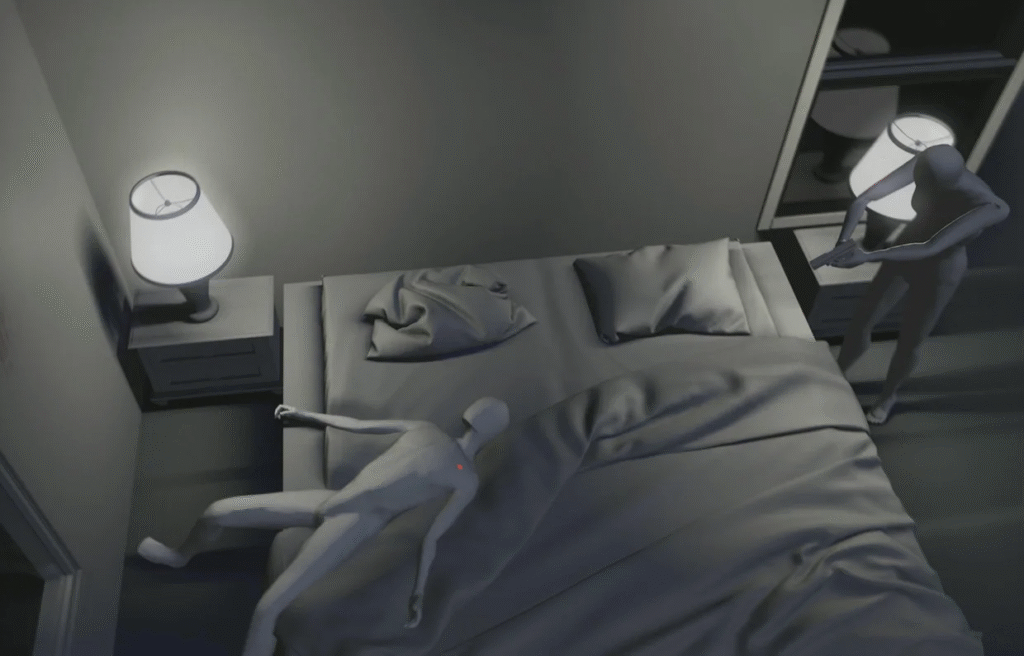
Her working theory was that Carter had been standing beside the bed, facing the window, when he was shot in the back three times.
One of those bullets filled his lungs with blood, causing him to cough and leaving a spray pattern on the wall near the window.
Benton believed he then fell back onto the bed, where Rickman fired more shots into his chest and head. Police later prepared an animation of this sequence.
Benton also noted that Carter had no scratches on his body and that Rickman’s nails were intact. A rape examination showed that Rickman had had intercourse but found no internal injuries.
Hospital records did note bruising on Rickman’s arm and leg. In a conversation with a prosecutor that the cameras recorded, however, Benton said there was no indication of any injury to Rickman: no scratches and no bruising.
By midday on September 13, only hours after the shooting, Benton arrested Rickman for murder. Rickman responded simply, “Okay.”
Rickman was denied bail and held at the DeKalb County jail in Decatur, Georgia. From there she maintained that she was innocent and said she did not believe she had done anything illegal. She said she had feared for her life that night, stating that Carter had relapsed, was intoxicated, and was behaving erratically.
That claim could not be tested through toxicology, because Benton never requested a toxicology report for Carter.
It was her first homicide case in DeKalb County, which followed different procedures, and she did not realize that a victim’s toxicology and blood alcohol tests had to be specifically requested. Blood had been drawn from Carter, but it was disposed of.
Five days after the shooting, Price was fired from his position for failing to cooperate with the investigation.
Rickman’s cell phone, meanwhile, remained locked, and no one had been able to break its security code. A few months before the trial, investigators came across a piece of paper that read “phone code” beside a four-digit number.
When it was entered, the phone opened. It contained more than 66,000 text messages, roughly 4,000 pages of messages sent and received by Rickman.
The Trial
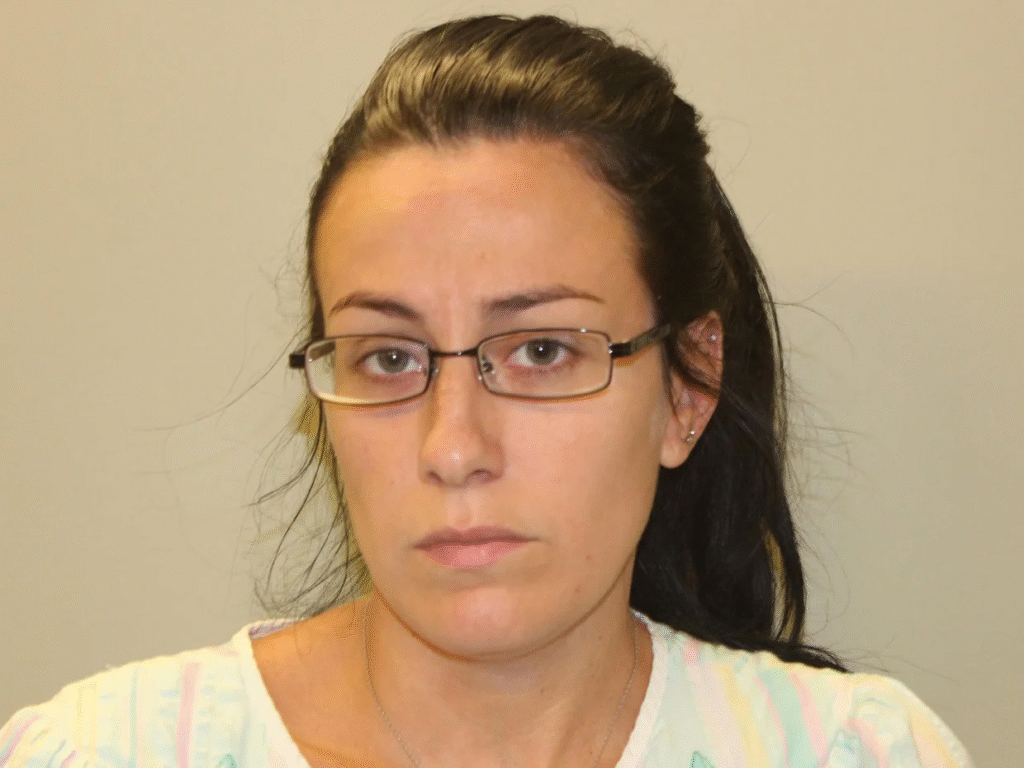
The trial began on August 22, 2017, three years and ten months after the shooting. Rickman faced a possible sentence of life in prison. Her father, Paul Rickman, hoped the proceedings would end with his daughter returning home.
Carter’s parents attended, saying that everything they had done was meant to restore their son’s reputation and to tell his story. Rickman’s father and her friends Morgan and Scarr were barred from the courtroom until they had testified.
In her opening statement, prosecutor Sheila Ross told jurors that the evidence would show Rickman shot Carter out of anger rather than fear. She described an on-again, off-again and toxic relationship and played the cell phone video from May 2013.
She said jurors would hear claims that Rickman was an abused woman with post-traumatic stress disorder who had been raped, and she asked them to look past those claims and return a verdict that reflected what had happened to Carter that night.
Defense attorney Amanda Clark Palmer said the case was about domestic violence. She told jurors that Carter had abused Rickman physically, verbally and emotionally, and that Rickman feared he would do something terrible to her based on his behavior and on his statement that he was going to kill her.
Clark Palmer also criticized the police response, pointing out that Benton had not arrived alone and that the detective had narrated her actions to the cameras.
No one, she said, asked Rickman, who had just been raped and had just shot a man, whether she was comfortable being filmed. She described the investigation as a rush to judgment in which evidence was not collected as meticulously as it should have been.
The defense chose not to show the television footage to the jury, fearing it would give jurors a wrong impression of Rickman.
Benton took the stand on the second day of testimony. She told the court that she had seen no forced entry into the home, no injuries to Rickman’s face, and no tear in her bra, and that she had looked for signs of a struggle and found none.
The defense pointed out that a lamp on the nightstand had been knocked over and that a sound machine was hanging down between the nightstand and the bed, and it noted that the room was not neat and orderly.
The gun was a central subject of her testimony. Benton had believed the weapon held 12 bullets. At the scene she found nine shell casings and four bullets still in the gun, a total of 13, and she concluded that Rickman must have switched magazines.
She considered that indicative of premeditation. On camera, she had said the gun did not hold 13 rounds and that Rickman had performed a tactical reload.
The gun’s maximum capacity is 13. Under questioning, Benton acknowledged this and said that she had not recorded the reloading theory in her report. She confirmed that she had no evidence Rickman reloaded but said she did not believe she had made a mistake.
She testified that she had not seen the episode until it aired, on the same day as every other viewer, and that she had not known which parts of her remarks would be broadcast.
Asked whether it had occurred to her that incorrect information might influence potential jurors, she answered that it had not.
The program had also aired her statement that the Cobb County District Attorney’s office had told her Rickman had filed so many rape claims against so many men that the list was too big to email and would have to be delivered in person. That statement was not true. Benton said that everyone makes mistakes, including her office and the Cobb County prosecutors, and that she did not believe the broadcast would affect the jury.
Detective Kevin Leonpacher, who specializes in analyzing cell phone records, testified next about his forensic examination of Rickman’s phone. He focused on the hours before the shooting.
Carter’s text messages showed that he was furious because Rickman had called the mother of his child. He told her he was ending the relationship, writing, “You are too dangerous to be around.
Never contact me or the mother of my child again.” He added that he intended to follow up on the criminal charges against her from the May incident.
Rickman then began texting Price. “He wants me put away now,” she wrote. “My only hope is to change his mind.” The prosecution contended that these messages showed Rickman had decided to kill Carter when she called him that night.
Leonpacher also testified about photographs of bruises on Rickman’s right arm that had been presented as showing her condition on the morning of the shooting.
When he checked the metadata, he found that the photos had been taken 24 hours before the shooting. The prosecution said this undermined her claim of justification.
Rickman’s attorney said the finding was not damaging, because medical records noted other bruises on her body.
Price testified for the state. He confirmed that he had been interested in Rickman, but he said the two never developed a relationship beyond friendship and denied having sexual relations with her.
Asked whether he had told anyone otherwise, he said he had told people all sorts of things that had nothing to do with reality.
The defense began its case halfway through the second week by calling Carter’s psychiatrist, Dr. John Lochridge. He said he last saw Carter on September 10, 2013, three days before the shooting.
At that visit, Carter reported delusions, saying that he thought he was famous, that he was on television, and that he was talking to and through the television.
Carter had been taking an antipsychotic drug to help him sleep. The defense position was that Carter had stopped taking his prescribed medication and had returned to illegal drugs.
A former chief medical examiner for the state of Georgia then supported the defense theory that the first shots struck Carter’s chest rather than his back. He testified that Carter could have been turned toward Rickman, twisted or leaning over, when he received two shots to the chest.
Clark Palmer’s reconstruction held that Carter then stood, coughed and left the blood spatter on the wall, and was shot in the back as he turned. He sat down and fell back onto the bed, and Rickman, still firing, struck him twice in the head.
One bullet passed through his nose, chin, shoulder and arm, and the shot to the head was probably the last. The shots, Clark Palmer said, came within seconds, in a highly traumatic situation, and Rickman kept firing until she believed the threat was over.
Britni Morgan then described the bruising she had seen on Rickman in the year and months before the shooting, saying that some of the marks looked almost like fingerprints.
Steven Sadler testified that he had seen bruises on her arm, a black eye and a mark above her eye. Jeremy Fordham said he had seen bruises on her wrists and arms and, on a second occasion, on her throat.
Cobb County Police Lieutenant Robby Ray testified that he had seen bruising on Rickman a year before the shooting, on her left upper forearm and left bicep, and that she had told him her ribs were sore.
Rickman chose not to testify. In her closing argument, however, Clark Palmer played a recording of Rickman’s voice from the day of the shooting and said it was not the voice of a killer.
She asked jurors to imagine how powerless Rickman felt when Carter, who was taller, heavier and stronger than she was, was raping her. She argued that there was no proof Rickman had invited Carter to the house.
She also said that Benton had gotten the gun’s capacity wrong, that her work had been shoddy and biased from the start, and that she had been trying to make good television rather than take steps that might contradict her belief in Rickman’s guilt.
Ross held nothing back in her own closing. She told jurors that if Carter had in fact been raping Rickman and she shot him, the world could use one less rapist, but that this was not what had happened. She said Rickman had finished Carter off with a shot to the head, which she called cold-blooded murder.
Closing arguments ended late on the Friday before Labor Day weekend. The judge ordered jurors to begin deliberating, and they returned with a verdict in less than an hour. The form listed four counts.
On count one, malice murder, the jury found Rickman guilty, and it found her guilty on every other count as well. Clark Palmer whispered to Rickman that she was sorry. For Benton, the verdict was gratifying.
After speaking with her superiors, she had reconsidered her earlier claim about the reload and said that she probably would not have made so grand a statement, adding that the case was about William Carter Jr.
Five weeks later the participants gathered for sentencing. Rickman addressed the court. She described herself as a mother who had been taken from her son’s life, a battered woman, and a victim who still suffered nightmares and symptoms of post-traumatic stress disorder as a result of having been forced to defend herself after years of abuse.
She asked the judge to return her to her son and her life and to give her back her voice and her dignity. She offered no apology. The judge sentenced her to life without the possibility of parole, plus five years.
Rickman moved for a new trial on October 12, 2017, and the court denied the motion on June 14, 2019. She appealed, arguing that her trial counsel was ineffective and that the court had wrongly admitted evidence about an earlier relationship.
The Supreme Court of Georgia affirmed her convictions on April 20, 2020, and it denied reconsideration on June 16, 2020.
Remembering Will Carter Jr.
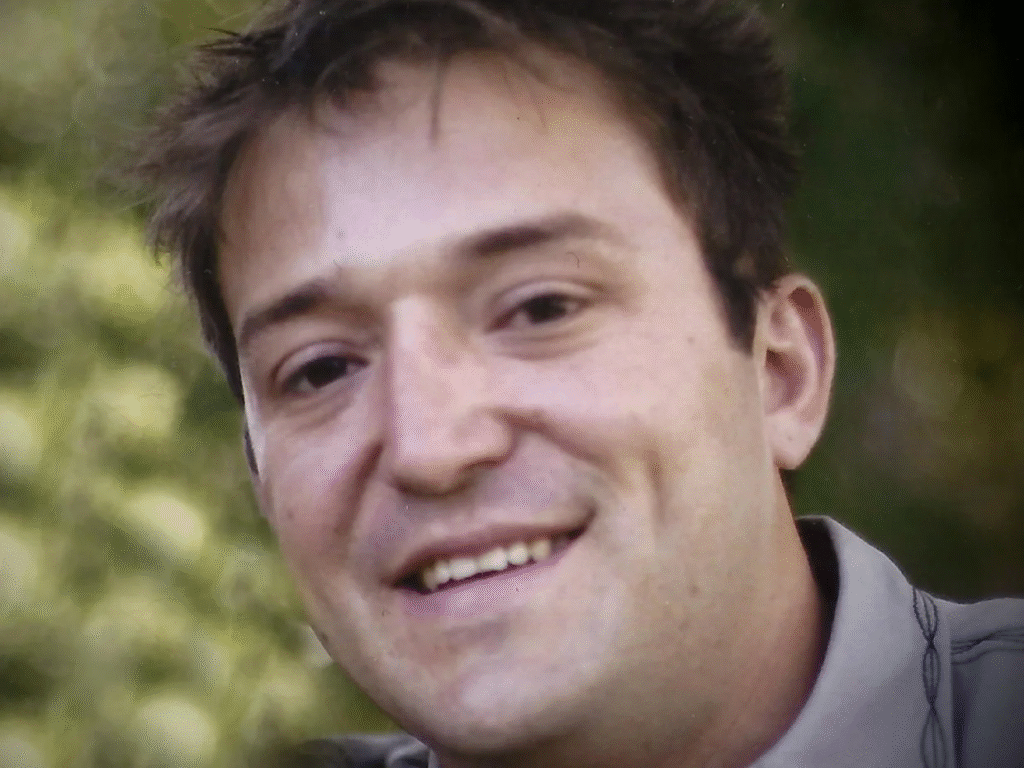
Will Carter Jr. was 30 years old when he died. Two days after the sentencing hearing, he would have turned 35.
Carter’s early adulthood was marked by struggle. He was arrested several times for property damage and drug use, and he used drugs for about ten years. His father said that a doctor had told the family the drugs involved went well beyond marijuana and were dangerous.
Carter entered a rehabilitation facility and overcame his addiction. He then started his own business, which did very well, and he owned his own home. His father said he was extremely proud of him, and that his son never gave up on anything or anyone.
Carter is remembered above all as a father. His mother says his daughter is a good student with a beautiful heart, and that Carter will not see her graduate or attend her wedding.
He was also devoted to his dog, Loki, who is now almost 13, well beyond his normal lifespan. Carter’s parents say that Loki gives them comfort because of how close their son was to the dog, and that he keeps a connection with their son alive.
Carter’s parents say they miss him every day and that his absence is a big hole in their hearts. His mother says the memories matter most, and that she is grateful to have had him in her life. She says the family will be all right and will make it through.

Recent Comments