

In May 2001, 24-year-old Chandra Levy disappeared from her Washington, D.C., apartment, setting off an investigation that spanned nearly a decade and drew national attention to her ties with a sitting congressman.
Disappearance in Washington, D.C.
Chandra Levy, a 24-year-old graduate student completing an internship with the Federal Bureau of Prisons, was preparing to leave Washington, D.C., in early May 2001. She had canceled her gym membership on April 30 and told her landlord she intended to move out on May 5 or 6.
When May 5 arrived without any word from her, Levy’s parents grew concerned. They had expected to hear from her about her return home and began calling her repeatedly, along with her landlord, but received no response. That same day, they contacted the District of Columbia police to report her missing.
Officers went to Levy’s apartment on May 6 to conduct a welfare check, gaining entry with the landlord’s help. Inside, they found the apartment largely undisturbed: dishes remained in the sink, and suitcases sat half packed, as though she had stepped away briefly and never returned.
A Congressman’s Number Surfaces
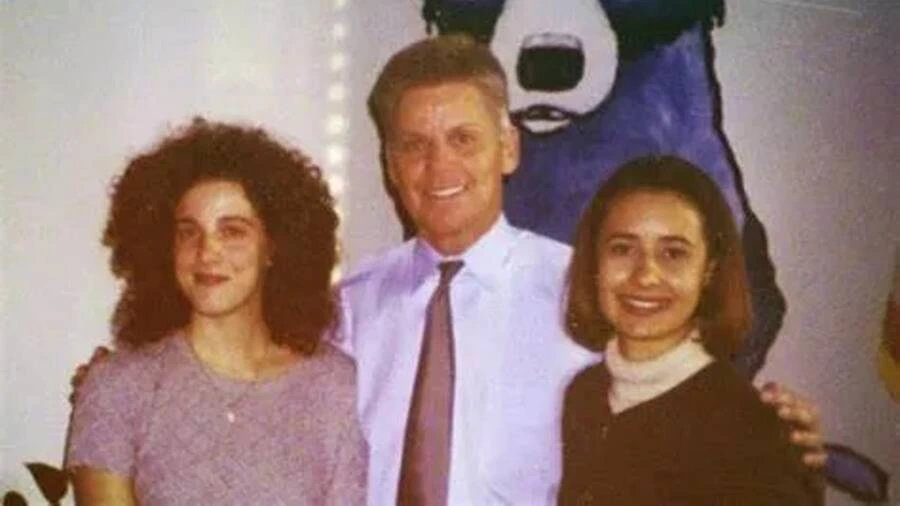
While police pursued the missing-persons report, Levy’s parents began their own inquiry, starting with her cell phone records, since she remained on the family’s plan.
They noticed one number she had called with unusual frequency and traced it to the Capitol Hill office of Congressman Gary Condit, who represented their home district in California.
A call to that number reached only an answering machine, so Levy’s father located Condit’s home telephone number and reached him directly.
When asked about his relationship with Levy, Condit said he barely knew her, describing an informal mentoring relationship connected to her internship, and told the family he had no information about her whereabouts.
Concerned by the response, the family relayed the exchange to investigators, who then examined Condit’s history with Levy and discovered that his Washington condominium sat only minutes from her rental apartment.
When investigators interviewed Condit separately, he gave a similar account, saying he had met Levy and a friend once, given them a tour of the Capitol, and occasionally offered career advice, but denied a closer relationship or any knowledge of her disappearance.
Searching for Evidence
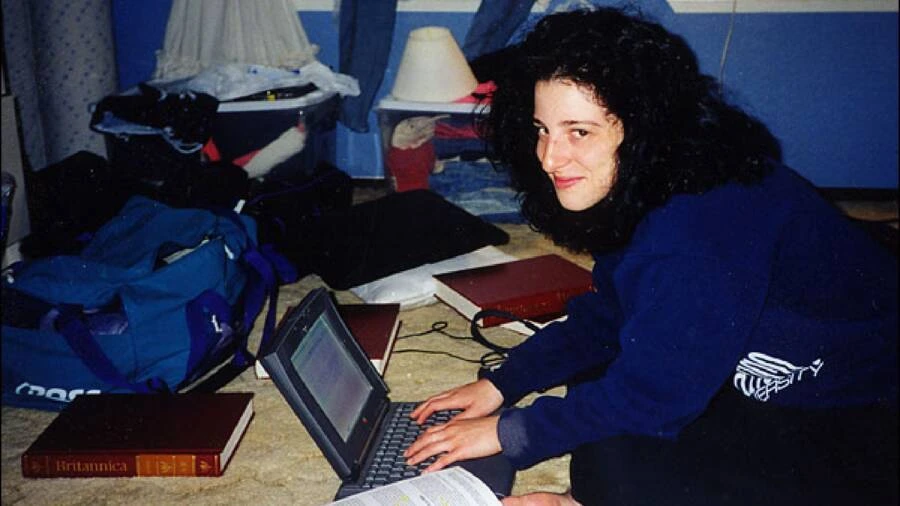
More than a week after Levy was last confirmed to be home, investigators obtained a warrant to search her apartment. They found her wallet and identification left behind, with only her keys apparently missing. Her personal computer failed while investigators attempted to examine it on-site, requiring specialists to recover its data separately.
Investigators also sought surveillance footage from the building, but the recordings were kept for only one week and had already been overwritten, since officers had not requested them during the initial welfare check.
A review of Levy’s answering machine turned up two messages from a voice investigators recognized as Condit’s, asking about her schedule and availability. Although neither message contained explicit language, the tone raised further questions about the nature of their relationship.
As the search continued without results, Levy’s parents began appearing regularly in national media, publicly asking Condit to cooperate with investigators.
Around this time, the family learned from Levy’s aunt, whom Levy had confided in, that Levy had described an ongoing relationship with Condit. According to the aunt, Levy said Condit had given her gifts, expressed a wish to have children with him, and hoped he would leave his wife.
She also said Condit insisted on strict secrecy: he asked her to avoid public outings near Washington, to leave her identification behind when visiting his condominium, and, if another passenger entered the elevator with her, to exit on a different floor so the two would not be seen arriving together.
The Affair Comes Into Focus
At the time, Condit was viewed as a rising figure in Congress, with speculation surrounding a possible future presidential campaign.
He had also been one of the more vocal critics of President Bill Clinton during the Monica Lewinsky scandal, publicly calling for full disclosure of the details involved, a position that drew renewed attention once his own situation became public.
Forensic testing later confirmed the relationship between Condit and Levy: DNA recovered from underwear found in her apartment matched his profile.
As investigators worked to substantiate the connection, searches of dumpsters, alleyways, and vacant properties throughout the city continued for two weeks without locating Levy.
Profilers assigned to the case noted that attacks in the area were statistically rare, suggesting the person responsible was likely known to her. One male friend of Levy’s was investigated on that basis and ultimately ruled out, though he corroborated the account of her relationship with Condit.
On June 23, 2001, Condit agreed to a formal interview with investigators and provided an account of his activities on May 1: a morning meeting with Vice President Dick Cheney, an afternoon in his congressional office among colleagues who could confirm his presence, and an evening with his wife, who was visiting Washington that week.
On July 10, investigators executed a search warrant at Condit’s district condominium, removing sections of carpet and wall in search of physical evidence, but the search produced no findings.
Several days later, a witness reported seeing Condit near a dumpster on the night of July 10, shortly before the search took place, appearing to push an object deep inside. Investigators recovered the item: an empty watch box.
They traced its sale to a woman named Joleen Argentini McKay, who told investigators she had worked in Condit’s office and maintained a long-term affair with him years earlier.
She said she had given him the watch as a gift and that their relationship ended after he pressured her to keep it secret, describing him as manipulative and controlling.
A second woman came forward describing a separate affair with Condit that had been ongoing at the same time as his relationship with Levy.
She said Condit ended their relationship shortly after Levy’s disappearance became public, and that members of his staff asked her to sign a statement denying any relationship had occurred.
Separately, a friend of Levy’s told investigators that Levy had grown anxious in the weeks before her disappearance, hoping for marriage and children, and had urged Condit to speak with his wife during the weekend before she vanished.
Levy’s aunt recalled a final phone conversation in which Levy mentioned significant news she wanted to share in person, though she never disclosed what it was.
Specialists eventually recovered data from Levy’s damaged computer, confirming that she had logged on at 10:27 a.m. on May 1 and spent the following hours online, repeatedly visiting Condit’s official homepage before viewing a website describing running trails in Rock Creek Park.
Based on this activity, investigators searched the park but found nothing. The search covered ground within 100 feet of the surrounding roadways rather than 100 feet of the trails themselves, a distinction that was not identified as an error until years later.
On September 11, 2001, the terrorist attacks in New York and Washington shifted national and local attention away from Levy’s case. Media coverage declined sharply, investigative leads slowed, and the case went cold.
Remains Found and a Suspect Emerges
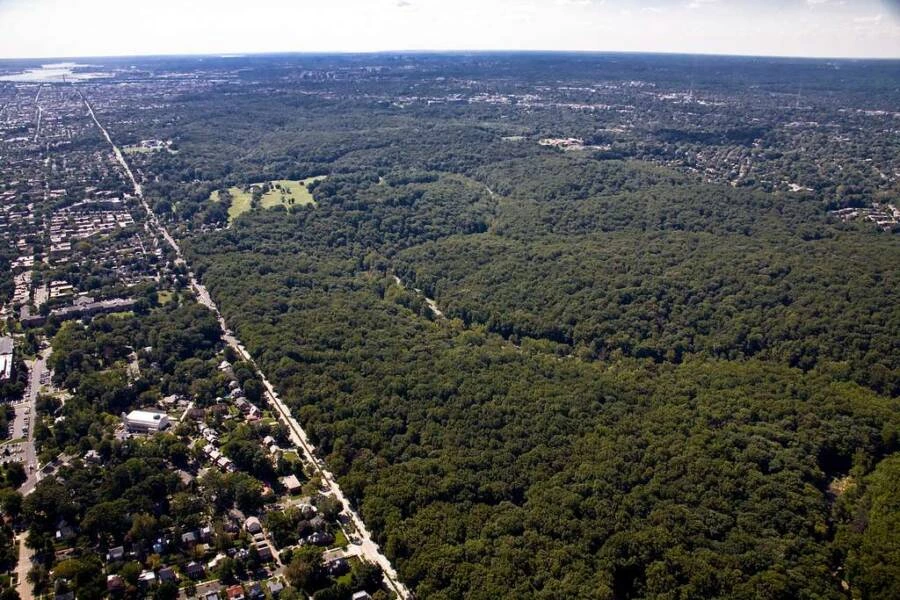
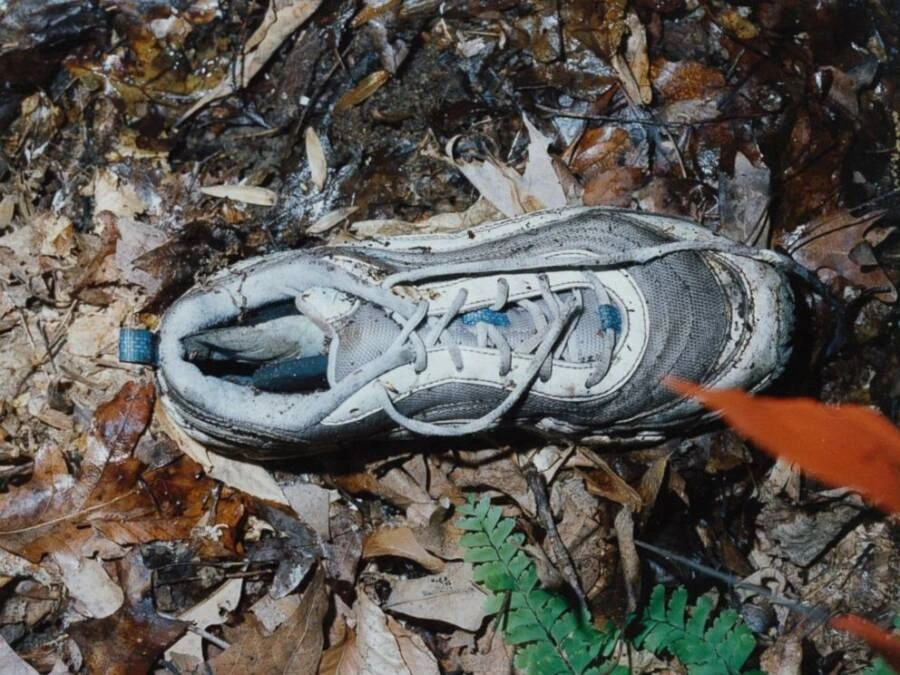
In May 2002, a man walking his dog in Rock Creek Park discovered a skull along one of the park’s paths. Crime scene technicians recovered scattered skeletal remains along with personal items, including sunglasses and clothing.
Levy’s running tights were found knotted at both legs, and her clothing had been turned inside out, details that led investigators to rule out an accidental death. Dental records confirmed the remains belonged to Chandra Levy.
The location was less than 100 feet from a trail, within the search radius investigators had intended to cover the year before. Because only skeletal remains were recovered, the medical examiner could not determine a specific cause of death, though the case was formally ruled a homicide.
Around the same time, Condit was campaigning for re-election. He gave a televised interview with journalist Connie Chung on ABC that drew roughly 24 million viewers, during which he repeatedly declined to describe his relationship with Levy, citing respect for his family and a request from the Levy family for privacy, and offered no direct answers to questions about a possible affair.
Condit lost the election by 20 percent, ending his political career.
As part of the renewed investigative effort that followed, authorities consulted a geographical profiler, who reviewed patterns of violent crime in the park.
The profiler noted that such attacks were historically rare in the area, but records showed two assaults on female joggers had taken place there in 2001, in the months following Levy’s disappearance.
In the first, a woman named Halle Shilling noticed a man in the parking lot before her run and grew increasingly uneasy as she realized he was following her; he eventually grabbed her from behind, and she escaped using self-defense training she had previously learned, later reporting the incident to police.
In the second attack, a woman running with her fiancé became separated from him on the trail when a man approached her from behind with a knife, pulling her into a ravine before she fought him off and got help.
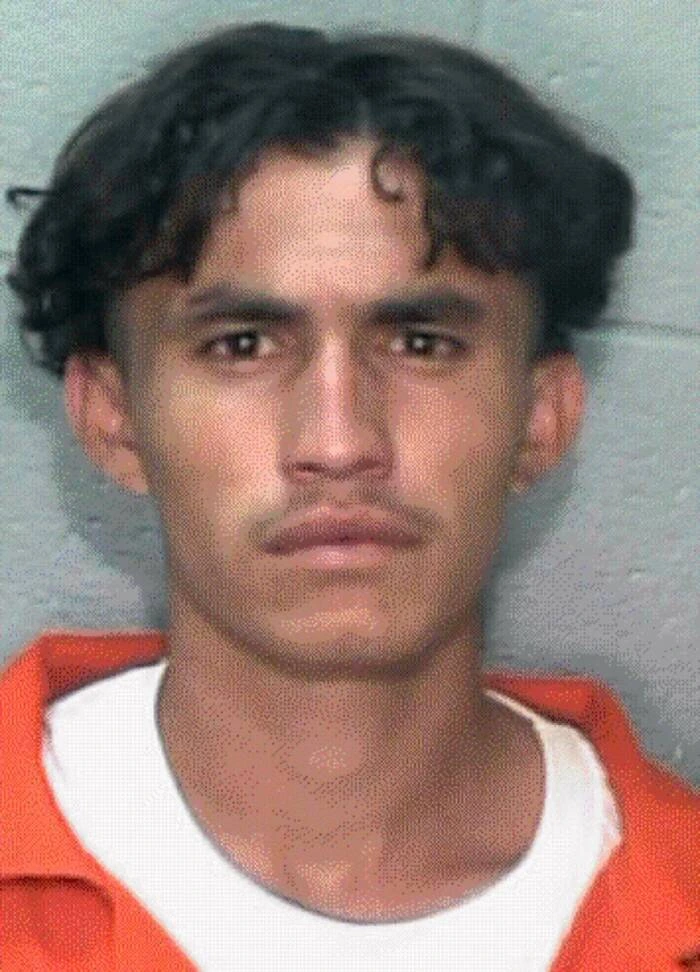
Police, already aware of the earlier assault, responded quickly and found a man hiding nearby in the bushes. He was identified as Ingmar Guandique, an immigrant from El Salvador who had come to the United States for work and had since struggled with drug and alcohol addiction.
Both victims identified him, and he confessed to the attacks, though he denied any intent to rob them, a claim supported by the fact that neither woman’s valuables, including jewelry and personal electronics, had been taken. He was sentenced to ten years in prison for the two assaults.
At the time of his 2001 arrest, investigators had also questioned Guandique about a possible connection to Levy’s disappearance.
They noted a history of violence toward his girlfriend, his absence from work on May 1, and reports that he had returned home that day with scratches and bruises. When interviewed about Levy, he denied any involvement and passed a polygraph examination conducted through a translator.
Investigators ultimately dismissed the results as unreliable due to the use of translation, and the inquiry into Guandique stalled without further evidence.
Renewed Investigation and a Final Chapter
The case remained inactive until 2008, when an investigative newspaper article revisited the handling of Levy’s disappearance and publicized the earlier search error involving roadways instead of trails.
The article also identified Guandique as a likely suspect and included an account from another woman who said she had run from him on the same trail the day Levy disappeared, escaping before he could attack her. The renewed attention prompted prosecutors to rebuild the case against him.
During a follow-up visit to Guandique in prison, investigators found a photograph of Levy displayed above his bed, along with what appeared to be a tattoo resembling her face.
Investigators then attempted an undercover operation, exchanging letters with Guandique through an agent posing as a romantic interest in an effort to obtain a confession, but he denied any involvement throughout the correspondence.
A breakthrough came when a jailhouse informant who shared a gang affiliation with Guandique told prosecutors that Guandique had confessed to causing Levy’s death while denying that he had raped her, reportedly out of concern for how he would be treated by other inmates.
The informant also said Guandique had mentioned taking Levy’s fanny pack, a detail that had not previously been made public.
In May 2009, prosecutors indicted Guandique on a charge of first-degree murder. He pleaded not guilty, and the case against him relied entirely on circumstantial evidence, with no physical evidence directly tying him to the crime.
During the trial, prosecutors called Condit to testify first; he again denied any relationship with Levy beyond mentorship and declined to answer further questions about his marriage, a refusal the judge permitted because Condit had never been charged in the case.
Prosecutors then called the two women Guandique had previously assaulted, who described their attacks to the jury, followed by the jailhouse informant, who testified about Guandique’s alleged confession and claimed he had reformed during his time in prison and had never previously served as an informant.
In its defense, Guandique’s legal team introduced two pieces of evidence that had not been fully examined earlier in the investigation: a 911 call reporting a scream from Levy’s apartment building the night before she disappeared, which had never been followed up on, and a discrepancy involving notes the building manager had left under her door at her family’s request.
Rather than remaining by the door, the notes were later found scattered throughout the apartment, suggesting someone had entered after they were placed. After three and a half days of deliberation, the jury found Guandique guilty of first-degree murder, and he was sentenced to 60 years in prison.
The conviction did not stand. During the appeals process, a woman came forward stating that the informant had admitted to her that he lied on the stand, though the specific admission was never captured on any recording.
Additional evidence showed the informant remained involved in gang activity and had previously served as an informant, contradicting his trial testimony. With his credibility undermined, Guandique’s conviction was overturned, and prosecutors chose not to pursue a second trial.
In 2015, Condit appeared on a televised talk show and continued to deny having an affair with Levy, offering inconsistent accounts of how many times the two had actually met.
Guandique was deported to El Salvador in May 2017; in a phone interview conducted before his deportation, he continued to deny any involvement in Levy’s death.
The Levy family later hired a private investigator, who said he had identified the person responsible but that it was not Guandique.
He pointed out that the trail where Levy’s remains were found was designed for horses rather than joggers, given its uneven, rock-covered surface, and suggested she had gone there to meet someone rather than to run.
He also noted an oddly placed blanket found near the front door of her apartment, arranged in a way that suggested she had left in a hurry. While he indicated he had a specific individual in mind, he declined to name that person publicly, citing concerns about liability.
Long before Rock Creek Park became linked to a homicide investigation, Chandra Levy had built a life defined by ambition and close family ties.
Raised in Modesto, California, she pursued graduate studies before securing an internship with the Federal Bureau of Prisons in Washington, D.C., a step toward the career she was working to build.
In the days before her disappearance, she had begun closing out her time in the city, ending her gym membership and preparing her belongings for the trip home.
She remained close with her family throughout her time in Washington, speaking with her parents regularly and confiding in an aunt she trusted with personal matters. Her case remains one of the most closely followed missing-persons investigations in the country’s recent history.


Recent Comments