

In late November 1989, a young woman disappeared while jogging in a small Washington town. Her death went unsolved for nearly three decades until a chance conversation led detectives toward an unexpected suspect.
A Community Shattered
Acme, Washington, was a small farming community where residents left their doors unlocked without a second thought and gathered at the local diner and general store for breakfast, lunch, and dinner.
That sense of safety defined everyday life in the town until November 24, 1989, the day after Thanksgiving, when nineteen-year-old Mandy Stavik set out for a run near her family’s home.
Stavik, a freshman at Central Washington University, had returned home to Acme for the holiday. That afternoon she left her house accompanied by her German Shepherd, Kyra, following the route she usually ran, heading west along Strand Road.
A man driving a pickup truck passed her on the roadway and would later be identified as the last person known to have seen her alive.
At that point she was heading toward a bend near her home, close to a wooded area along the route and roughly an eighth of a mile from her house.
Stavik did not return that evening, and her dog eventually made its way back to the house alone, without her. Her mother, Mary, later described the panic she felt once it became clear her daughter was not coming home as expected.
Family members reported her missing that same night, and a large search effort began soon after, drawing law enforcement personnel and volunteers from across the small community to comb the surrounding roads, fields, and riverbanks.
After days of searching the surrounding land without success, attention turned more directly to the river running through the area.
Many residents later recalled being in a state of shock during those days, unsettled by the uncertainty of what had happened to a young woman they had known for most of her life.
Three days later, on November 27, searchers moved upstream along the South Fork of the Nooksack River in a boat led by sheriff’s deputy Ron Peterson.
After steering out of the main channel and into a smaller side channel, Peterson spotted a patch of pink color in the water, which led the search team to her location. She was found floating in the river, wearing only her running shoes and socks.
Peterson had recently completed FBI training on recovering DNA evidence, and he took particular care in removing her body from the water so that any forensic material it might still hold would not be disturbed.
He later said the moment was especially difficult for him personally, since Stavik bore a resemblance to his own daughter, and he recalled telling her only, “I got you,” as he lifted her from the water.
He and other longtime residents later said the case marked the loss of a sense of innocence the community had held until that point, one that never fully returned.
Investigators pieced together what they believed had happened. Because Stavik was known to be a fast runner, they concluded that whoever attacked her had used a vehicle to catch up with her along the road, most likely forcing her inside at gunpoint.
Her dog appeared to have been kicked into a nearby ditch during the abduction. The sexual assault was believed to have taken place roughly three and a half miles from where she had been jogging.
Scratches on her arms and legs, consistent with running through blackberry bushes, suggested she had attempted to escape before being struck and left in the river, where she drowned.
A Trail That Went Cold

An autopsy confirmed that Stavik had been sexually assaulted, recovering male DNA from her body that investigators hoped would eventually help identify her killer.
Her murder devastated the small town, and nearly a thousand people attended her memorial service.
Residents openly worried that whoever was responsible remained free in their midst and might strike again, a fear that lingered long after the search had ended.
In the weeks after the murder, tips from residents poured in, ranging from vague suspicions to more detailed accounts, and detectives worked through each one systematically.
Much of that early effort focused on anyone in the community who seemed unusual or out of place.
Among those questioned was John Wisnewski, a drifter who had reportedly been seen along a roadway in the area on the day Stavik disappeared, drawing early attention from investigators.
When his DNA was tested against the crime scene evidence, it did not match, ruling him out. Investigators also interviewed her boyfriend, Rick Zender, and cleared him as well after his DNA failed to match.
In an effort to identify the person responsible, investigators asked roughly thirty local men to voluntarily provide DNA samples for comparison. None matched.
With no viable suspects remaining, the investigation gradually stalled, and the case sat unsolved for years, leaving behind a lasting unease that many residents said never fully lifted.
For Stavik’s mother in particular, the passing years without answers gradually wore down whatever expectation she had once held that the case would ever be resolved.
Renewed Investigation
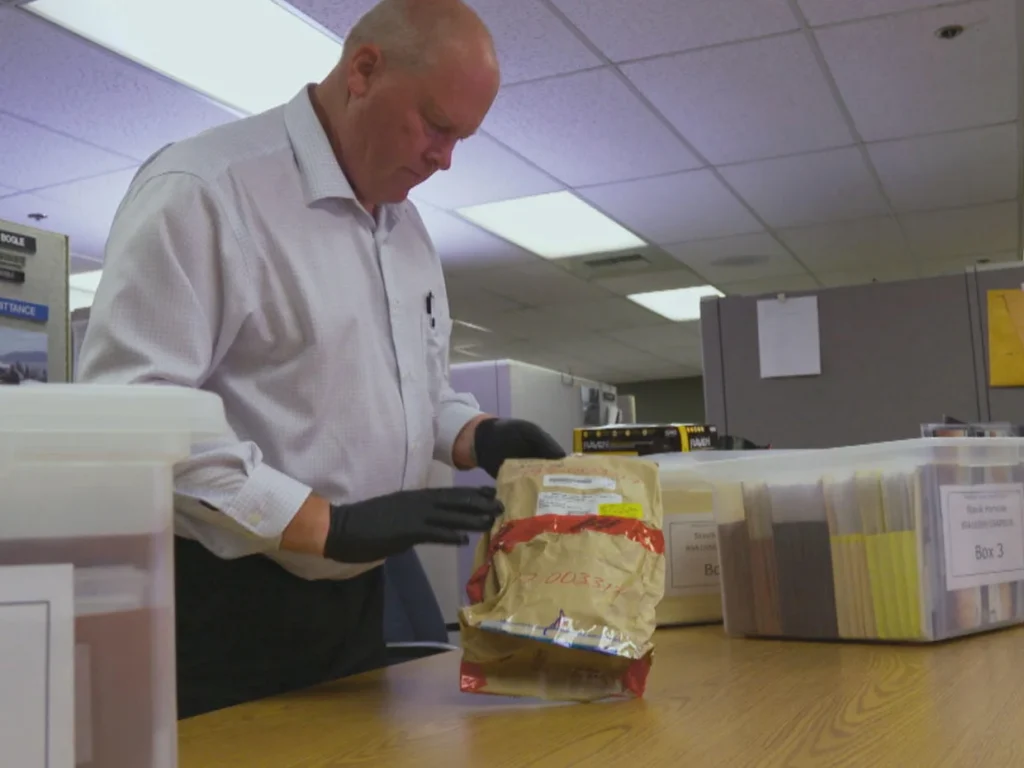
By 2009, nearly two decades after the murder, Detective Kevin Bowhay, who had attended the same high school as Stavik, took over as lead investigator.
Determined to find the answers the original investigation had not, he began systematically reviewing old case files, re-examining previous leads and the many people who had been questioned over the years.
One name caught his attention: John Wisnewski, a local man with a history of drug-related activity who had previously told acquaintances he might know who was responsible for the murder.
He had been interviewed during the original investigation, but his DNA had not matched the crime scene evidence. In 2010, Bowie traveled to Cambodia, where Wisniewski was then living, to question him again in person.
Although Bowie came away suspecting Wisniewski was not being fully truthful, the trip produced no new evidence, and the case remained open without a clear direction forward.
Years passed with no further leads, and the renewed investigation lost momentum. Bowie later said that even during those years, he remained convinced the case could still be solved with enough persistence.
A Long-Held Suspicion Surfaces
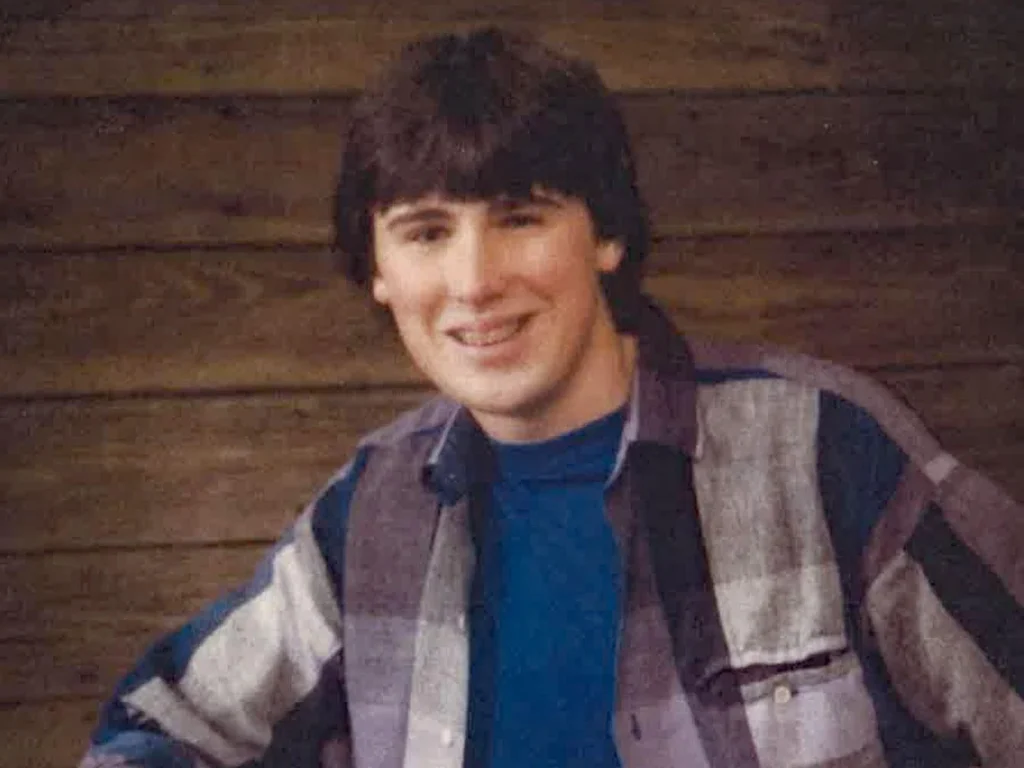
In June 2013, two women who had both attended Mount Baker High School were sitting together at a water park, watching their children play.
Heather Backstrom and Marilee Anderson had never been particularly close, but when another parent mentioned Mandy Stavik’s name in conversation, the exchange took an unexpected turn.
Both women admitted, almost simultaneously, that they had long suspected the same man: Timothy Bass, another graduate of their high school.
Neither had previously shared her suspicions with law enforcement, both later explaining that in a small town, accusing someone without real certainty had always felt like too great a risk to take alone.
In fact, the water park conversation marked the first time either woman had spoken openly about her encounter with Bass in more than twenty years.
Each had experienced a disturbing personal encounter with Bass years earlier. Backstrom recalled an evening in the summer of 1989, several months before Stavik’s murder, when she and friends rode in a truck to a fast-food restaurant after a softball game.
Bass, then in his early twenties, sat beside her, told her repeatedly that her eyes were beautiful, and ran a pen along her leg while she sat in cut-off sweatpants. She was fifteen at the time.
Anderson’s encounter took place in July 1991. She was home alone one evening with her young son when Bass appeared at her door, asking to use her phone because he said he had been hunting and needed to reach his wife.
When the number he dialed produced a disconnected signal, he walked further into her home, toward the bedroom, and told her he had long been in love with her, suggesting they become intimate right then.
Anderson, frightened, demanded he leave immediately. He initially refused but departed after she threatened to call police.
Anderson then contacted Ken Gates, a detective who had also graduated from Mount Baker High School, to formally report their shared suspicions.
Gates relayed the accounts to Bowhay, prompting him to take a fresh look at Bass for the first time in the investigation’s history.
Investigators noted that Bass’s home stood less than two miles from the Stavik residence, directly along the route she had regularly run.
They later theorized that from his own window, Bass could easily have seen her jogging past on previous occasions, which may have first drawn his attention to her.
During the original investigation, Bass and his family had never been asked to provide DNA samples; investigators later determined that the family’s respected standing in the community had led detectives at the time to overlook them.
Pursuit, Arrest and Trial
Investigators next looked into how Bass had spent the twenty-five years since the murder. He had married Gina Malone, a fellow Mount Baker graduate, six weeks after Stavik was killed, a union Gina later said she had entered partly to leave her own family’s home.
The couple had three children while Bass worked as a bakery delivery driver, with no criminal record, remaining largely unknown to investigators before 2013.
His brother, Tom, recalled the two had been close as children, playing sports together, before Bass grew increasingly withdrawn as a teenager, after which ordinary social interactions stopped coming easily to him.
Detectives visited Bass at home to ask about Stavik. He first claimed not to remember her, then recalled her only as the young woman found in the river.
When asked to provide a DNA sample, he declined, saying he had seen enough crime programs to know how such evidence could be used against someone.
Investigators placed him under surveillance during his delivery route, hoping he would discard something with his DNA, but the effort produced no results.
Detectives broadened their approach, collecting DNA from three dozen additional men connected to the area.
Meanwhile, Bass’s coworker Kim Wagner pieced together that investigators were looking into Stavik’s murder specifically and, once she realized what was at stake, offered to help.
She had found Bass difficult to work with, noting he could be provoked to anger easily and addressed her only as “woman” rather than by name.
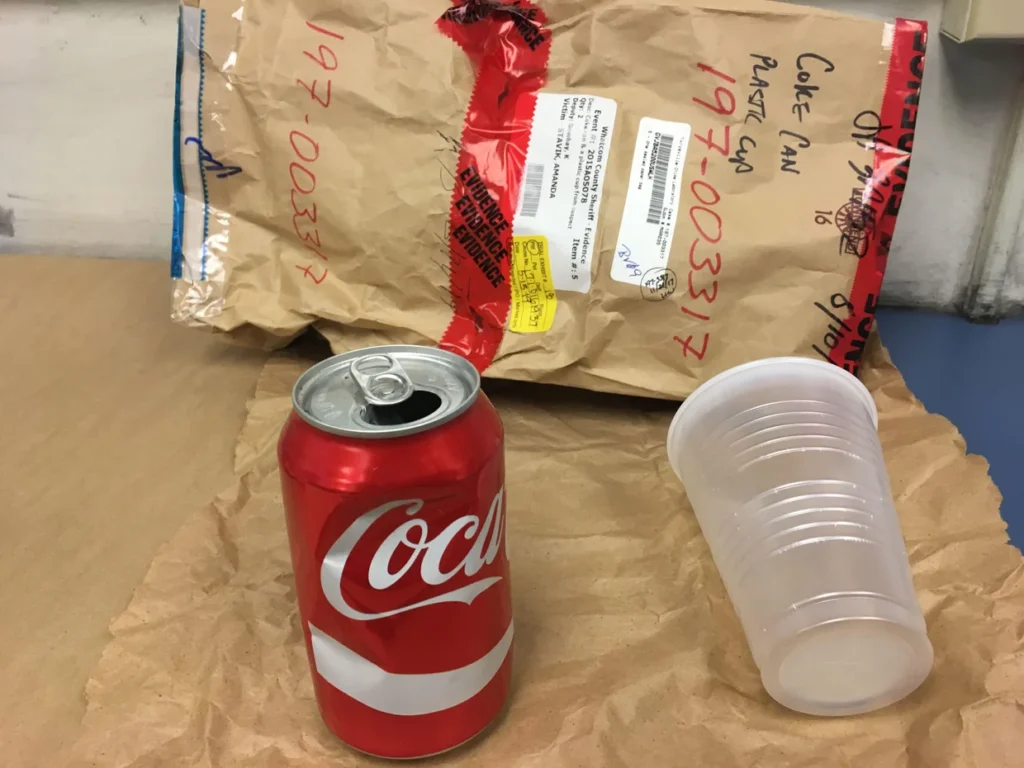
Over several months, she watched for anything he might throw away, eventually recovering a discarded plastic cup and, later, a soda can, later admitting she had hoped her suspicions would prove wrong.
About three months after the items were submitted, the state crime lab confirmed a DNA match connecting Bass to the evidence from Stavik’s body, relaying the results to Bowhay.
On December 12, 2017, twenty-eight years after her body was found, investigators arrested fifty-year-old Timothy Forrest Bass in the bakery parking lot, charging him with kidnapping, rape, and murder.
Bowhay personally notified Wagner; she said her first thought was whether Stavik’s family had been told. Bass denied any relationship with Stavik before questioning how officers had obtained his DNA.
The trial began roughly a year and a half later, led for the prosecution by Dave McEachran, who had been forty-four at the time of the murder and was now seventy-three; the original case prosecutor, he had since retired but returned specifically for the trial and declined payment.
Prosecutors argued the case was straightforward: Bass’s DNA had been recovered from Stavik’s body, and the evidence showed she had been kidnapped, assaulted, and killed.
The defense countered that Bass had done none of those things, proposing instead that he and Stavik had secretly had a consensual relationship before her death.
Following his arrest, Bass had told investigators he had briefly been involved with Stavik, describing something that began as a friendship.
The defense called forensic expert Dr. Elizabeth Johnson, who testified the semen could have been deposited up to forty-eight hours before Stavik’s death.
The prosecution countered with Dr. Gary Goldfogel, the original medical examiner, who testified the evidence was more consistent with the assault occurring shortly before she was killed.
The defense pointed to the absence of any sign of struggle, and noted no witness had ever seen the two together and no phone records showed calls between them — a gap they attributed to secrecy. They also reminded jurors the burden of proof rested with the prosecution.
Kim Wagner testified about retrieving the DNA sample. Gina testified their marriage had been marked by control and abuse, describing being expected to wait on him and hearing him speak to her dismissively; she recalled once obtaining a restraining order and separating for two months, returning only after he threatened to falsely accuse her in court to gain custody of their children.
She also said Bass had asked his mother, after his arrest, to falsely claim his late father was responsible for the murder; his mother refused. Tom testified Bass had similarly pressured him to falsely claim involvement with Stavik and to provide a false alibi.
Tom also described an incident from their youth in which Bass, after a breakup, threatened suicide and fired a gun, and recalled family members noticing growing hostility toward women in Bass over the years.
Tom’s wife, Robin, testified separately that she too believed Bass viewed women as inferior. Tom later said he believed Backstrom and Anderson might have faced far greater danger had events unfolded differently.
In closing arguments, prosecutors rejected the consensual-relationship theory outright, arguing the physical evidence pointed to abduction and assault.
Defense attorneys countered that a young woman’s private life was not always visible to others, and that an absence of witnesses did not disprove a secret relationship.
After nine days of testimony, the jury began deliberating. Juror Ed Beeman recalled that panel members effectively acted as their own investigators, working through timelines and evidence posted around the room.
Deliberations lasted about five hours, and juror Jay Van Mursbergen estimated roughly a quarter of the panel had initially wrestled with whether the relationship theory created reasonable doubt before reaching a unanimous decision.
Exactly twenty-nine years and six months after Stavik’s death, the verdict was read in a packed courtroom: guilty of murder, rape, and kidnapping.
At sentencing, Stavik’s mother and sister were too overcome to speak, so her sister’s husband, Mike Brighton, addressed the court on the family’s behalf, saying they would never be fully healed and that Bass should never again be allowed to walk free.
Bass’s mother, Sandra, maintained her son’s innocence. Bass himself told the court he was entirely innocent and did not believe he’d received a fair trial, adding he preferred to say little else.
The judge remarked that Bass had lived three decades free of responsibility for his actions, a period that had ultimately drawn his own family into the consequences as well, and sentenced him to nearly twenty-seven years — the maximum allowed, since prosecutors had not pursued a premeditated murder charge.
Peterson and other residents said afterward they hoped the community could finally feel the safety it had lost decades earlier, and investigators credited Backstrom, Anderson, and Wagner as central to resolving the case.
Remembering Mandy Stavik

Mandy Stavik graduated from Mount Baker High School in the class of 1989, where she wore the number thirteen as a basketball player and also served as a cheerleader. A top student, she had hoped to become an airline pilot.
Her mother, Mary, remembered her as someone determined to excel in everything she pursued, in the classroom and on the court, and has said the loss reshaped her life in ways she never anticipated.
Her older sister, Molly Brighton, described her as a vibrant presence who left a lasting impression on nearly everyone she met, despite how short her life was.
Jim Freeman, her high school basketball coach, became an important mentor and, after her parents’ divorce, took on the role of a father figure.
He delivered the eulogy at her memorial service. In a card she once wrote him, Stavik thanked him as the one person who had inspired and influenced her more than anyone else.
At the time of her death, Stavik was a freshman at Central Washington University, having returned home to Acme to spend Thanksgiving with her family before the run that ended her life at nineteen.


Recent Comments