
In January 2016, Sadie Hartley, a 60-year-old businesswoman, was killed at her home in Helmshore, Lancashire.
The Affair and Its Fallout
Helmshore is a village in the Rossendale Valley, in the county of Lancashire in northern England, north of Manchester. It is known as a quiet and affluent community where crime tends to feel like an outsider’s worry rather than a local one.
Old textile mills stand as reminders of the area’s past, rolling hills surround the village, and the evenings settle into stillness long before the pubs close. In winter, most residents stay indoors to keep warm, and the streets are largely deserted.
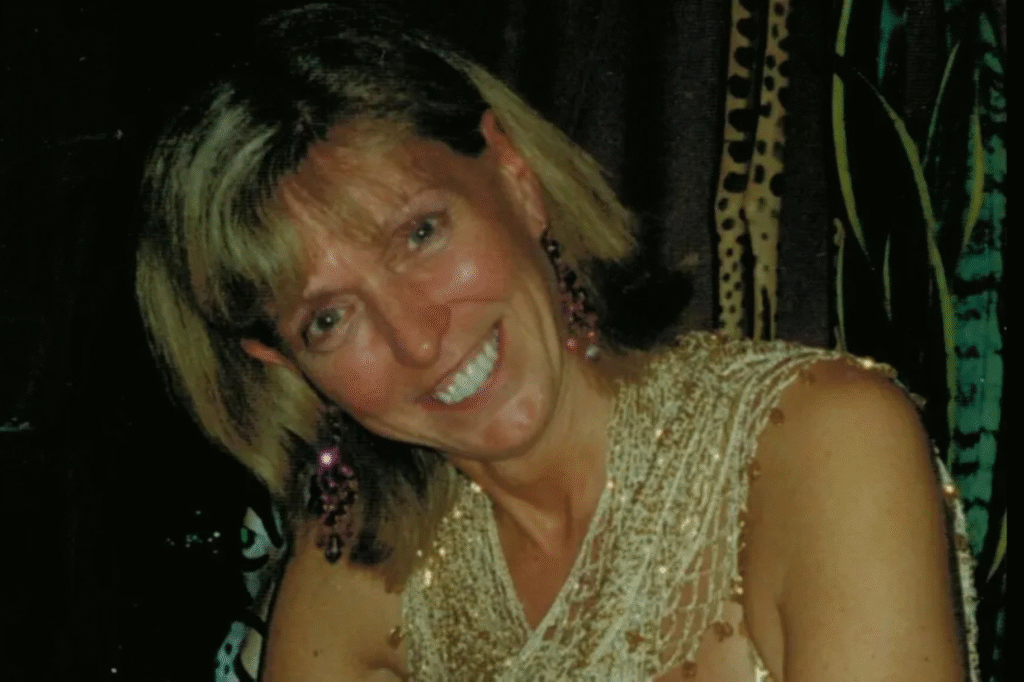
On the southern edge of the village lies Sunny Bank Road. A well-kept and welcoming house there, valued at about half a million pounds, was the home of Sadie Hartley, a successful businesswoman.
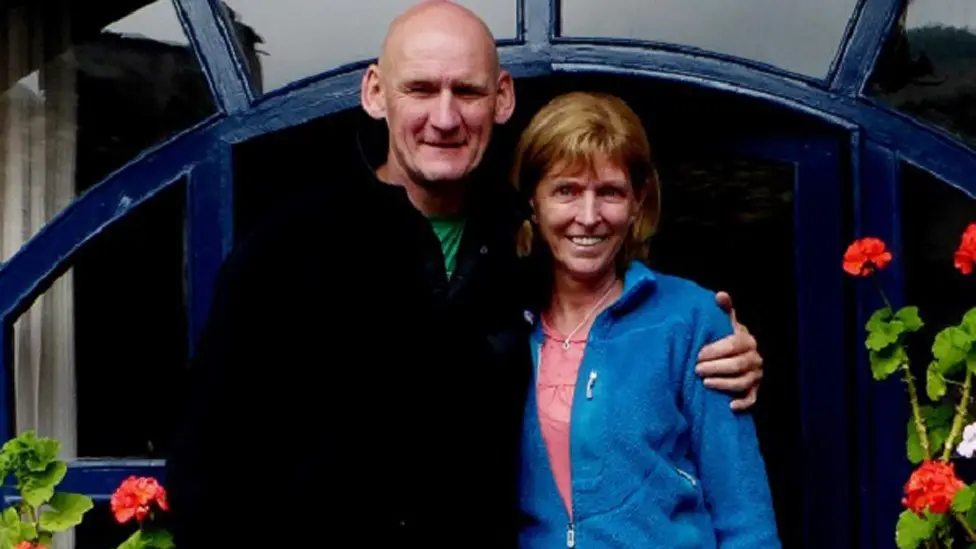
Her partner, Ian Johnston, was a retired firefighter. He was 57 years old, a few years younger than she was. At that stage, Ian lived some distance away, and the two kept what was largely a long-distance relationship, although it was a genuine one.
In 2012, Ian met a much younger woman named Sarah Williams at the Chill Factore, a dry ski slope in Manchester. Ian worked there as an instructor and gave her lessons, while Sarah worked for a ski holiday company.
The two exchanged phone numbers and began texting. Sarah had been involved since the age of 17 with a married oil company owner, Mr. Hardwick, who was 57 when the relationship began. It lasted nearly two decades.
He gave her £75,000 to buy a house and a weekly allowance of £320, and the two took dozens of exotic holidays a year. Mr. Hardwick did not know about her other relationships, and that did not stop her from pursuing them.
The messages quickly became flirtatious. Although he was still seeing Sadie, Sarah turned up at Ian’s house wearing a short skirt, high heels and red lipstick, and the relationship became sexual. Ian has said that he was flattered by her attention but never expected it to go so far.
By late 2013, Ian had grown deeply uncomfortable with the affair. He had realized that he was in love with Sadie, and he admitted to himself that cheating was a grave mistake.
Sarah, meanwhile, had become increasingly possessive, dramatic and difficult, and Ian ended the relationship.
Sarah refused to accept that the relationship was over. She became fixated on Ian and came to regard Sadie as the obstacle standing between them.
In June 2014, she sent Sadie a “spiteful” letter claiming that she and Ian had enjoyed “unbelievably fantastic sex … over and over and over again” behind Sadie’s back. The letter also claimed that Ian had not bothered to change the bedsheets after sleeping with Sarah.
Ian had not told Sadie about the affair, and he was forced to confess. His relationship with Sadie nearly collapsed. Despite the betrayal, Sadie’s love for him endured, and she ultimately chose to forgive him. Ian promised that it would never happen again.
The letter failed to end the relationship of the couple, who were both divorcees with grown-up children, and Ian moved into her home in Helmshore, determined to leave Sarah in the past. Together, they were a warm and steady couple, well liked in the village and part of its close-knit community.
Rejection only intensified Sarah’s pursuit of Ian. Her behavior swung between desperate pleas and angry outbursts. She sent him gifts and long messages, begged him to have sex with her, and visited places he frequented in the hope of bumping into him.
On one occasion, she broke into his home while he was away, which set off the alarm system and led to police being called. Ian told friends and family that he felt stalked and that Sarah would not let him go.
Even so, he never cut contact entirely. Sarah sent him explicit photographs and text messages, and in a moment of “weakness,” as he put it, Ian replied in kind.
The exchanges continued after he had moved in with Sadie and lasted until just days before her death. This pattern continued for months.
The Planning Begins
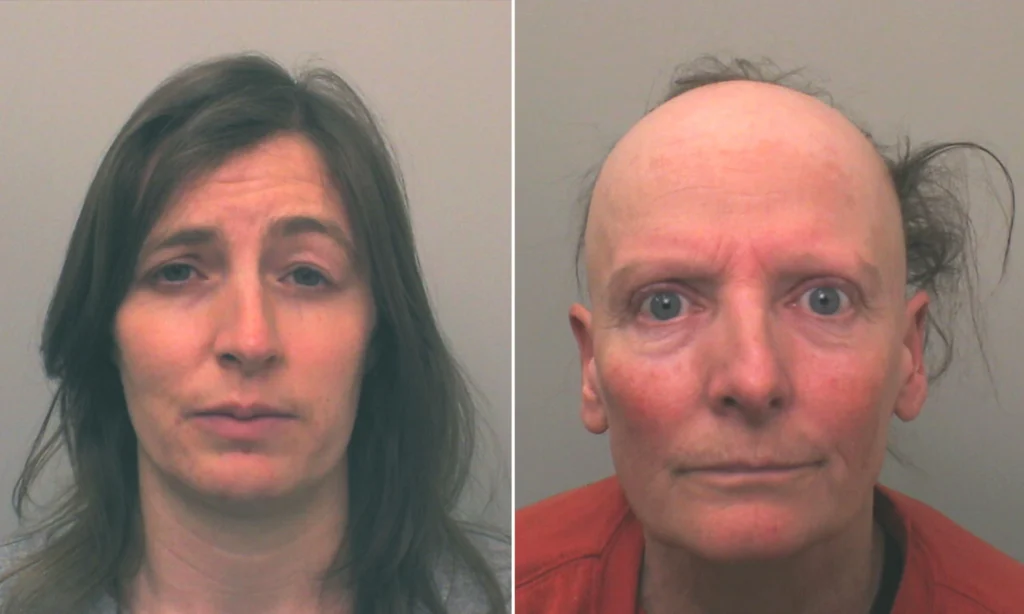
While she and Ian remained in contact, Sarah’s anger toward Sadie continued to grow. In August 2014, she recruited her close friend, Katrina Walsh, to help her. Katrina, a horse riding instructor known as Kitt, was 55, more than twenty years older than Sarah.
The two had met through a local riding club, a group for people who ride horses, and had bonded over horses and gossip. Rather than discouraging Sarah, Katrina was ready to help her friend and took part in her plans.
She kept a diary that became a step-by-step record of the plot, covering their meetings, the supplies they needed and their darkest fantasies.
One entry, written in September 2014, read: “Sarah came round so got caught up in endless murder plots for Ian’s other half.” The two women referred to their scheme as the perfect murder.
Over the next year and a half, the two women discussed several ways of killing Sadie, including poisoning, a staged incident and hiring a hitman. The first of these discussions took place in August 2014.
Sarah raised the hitman idea with Katrina’s former husband, Kevin, asking whether he would kill Sadie for a fee. Kevin refused immediately and said that he would not meet the women again.
He warned Katrina that Sarah’s ideas were criminal and suggested that she keep her distance from her. Katrina did not follow his advice. That evening, she wrote in her diary: “Kev not going for the idea of being a hitman after all.
Scuppering that idea, plan B will be needed. Wow, I may get to be instrumental in helping remove that awful woman. Was so buzzing, I needed a Southern Comfort to wind down.” Southern Comfort is a whiskey-based liqueur.
Without Kevin’s help, the women decided to carry out the killing themselves and began an official planning phase. They gathered tools and clothing, rehearsed routines and conducted surveillance.
Sarah already knew Ian’s habits, but she wanted to learn Sadie’s. She needed to know whether Sadie was home alone, which doors were left unlocked and how predictable her days were.
Around October 2015, the pair bought a covert GPS tracker, a small device that records the location of the vehicle it is attached to, and fixed it beneath Ian’s car.
From then on, Sarah could watch the couple’s comings and goings, and the device stored two months of travel history.
On Wednesday, December 2, 2015, about six weeks before the attack, Sarah followed Sadie and Ian to the Christmas dinner of the ski club that they always attended and positioned herself in the background of a group photograph. In the foreground, Sadie and Ian smiled, unaware that she was behind them.
The women also bought binoculars for watching from a distance. They purchased burner phones, which are cheap prepaid handsets that are easy to discard, for private messages, and they bought dark clothing for the attack.
Because they did not want Sarah’s car to appear on surveillance cameras, they bought a second-hand Renault Clio for £430 under a different name.
They ordered men’s work shoes two sizes larger than their own, so that any footprints would mislead police.
Stun guns are illegal for civilians in the United Kingdom, so in December 2015 the pair took a ferry across the North Sea to Rotterdam, a port city in the Netherlands, and then drove to Darmstadt, a city in central Germany, where they bought a 500,000-volt stun gun, a handheld device that delivers an electric shock. They smuggled it back into the country.
On Monday, January 4, 2016, ten days before the attack, Ian and Sarah exchanged more than 30 flirtatious messages in a single day.
The same day, Sarah texted Katrina to remind her to “crack on with” her shopping, and the next day Katrina bought the knife used in the attack, paying with her Tesco Clubcard.
By early January, the women had assembled everything they needed, and only the timing remained. They decided to act when Sadie was alone, and an opportunity arose in mid-January, when Ian had a skiing trip in the Swiss Alps planned.
Before then, the women carried out a rehearsal. On Thursday, January 7, Sarah drove with Katrina to Helmshore to check that they had the right address. Katrina walked up to Sadie’s front door and rang the bell.
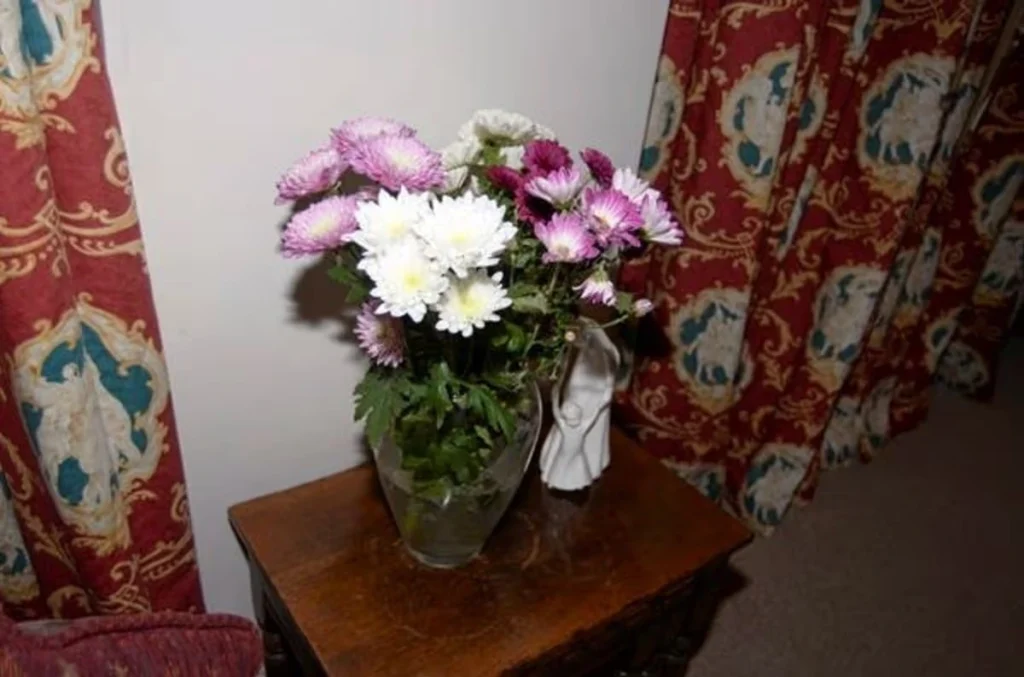
Sadie answered, and Katrina handed her a £3 bunch of flowers, saying, “These are for you, Ms Hartley.” Sadie, who had never seen her before, was surprised and disturbed.
In text messages sent over the following days, Sadie expressed some concern about the visit, though not a great deal. For the two women, the encounter confirmed that Sadie was alone and was willing to open her door to a stranger.
The Night of January 14
The attack came on Thursday, January 14, 2016. Ian was away on a skiing trip in the Swiss Alps, and Sadie had been due to fly out to join him two days later.
She had spent the day at a conference in Manchester with a colleague, and she spoke to that colleague again at about 7.30 p.m. She was alone in the house, as the women had intended. The streets of Helmshore were still, and the winter air was sharp.
A week after the rehearsal, almost exactly to the minute, Sarah returned alone, dressed in dark clothing and armed with the stun gun and an eight-inch carving knife. She reached Sunny Bank Road under cover of darkness. Katrina took no part in the attack.
Shortly after 8 p.m., Sarah rang the doorbell. As soon as Sadie unlocked the door, Sarah lunged inside, pressed the stun gun against the side of Sadie’s head and fired. The charge brought Sadie to the floor.
It did not knock her unconscious, but the electric shock left her paralyzed and unable to move. Sarah then drew the knife and attacked her. Sarah stood over her and looked around for a moment.
She then straightened up, closed the front door behind her and walked away. CCTV recorded Sarah arriving 40 yards from the house and returning four minutes and 40 seconds later.
Sarah drove back to her home in Chester, a city in northwest England, in the car she had used. Nothing was known of what had happened at Sunny Bank Road until the next day.
A Discovery and an Investigation
The events of January 14 came to light on Friday, January 15. Sadie had not been in contact since speaking to a colleague the previous evening, and she did not arrive at work or answer her phone that day.
As the hours passed, her colleagues became worried and raised the alarm. Late that evening, police found her in the hallway of her home with multiple stab wounds.
It was immediately clear that this was no accident. Officers secured the scene and began to process what they found there. Detectives faced one immediate question: who would want Sadie dead?
The injuries were extensive. Sadie had suffered more than 50 injuries, including more than 40 stab and slash wounds, many of them to her face and neck, and some of the blows were forceful enough to puncture bone.
Wounds on her hands and arms showed that she had fought for her life. Even experienced officers were stunned.
While examining the scene, officers found a single small barb in Sadie’s clothing. It appeared to have come from a stun gun, which is a very unusual weapon in the United Kingdom.
Nothing at the house suggested a burglary or a random attack, which led detectives to believe that the crime was personal. They spoke with friends, colleagues and family members, and with Ian.
As is standard in homicide investigations, Ian was initially treated as a possible suspect, but his alibi was confirmed because he had been in another country at the time.
Ian told officers about his brief affair with Sarah and her obsession with him, and about the letter that Sadie had received. Investigators now had a motive and a suspect. When they looked into Sarah, they found her close friendship with Katrina.
Surveillance footage from around the village moved the inquiry forward quickly. Unfamiliar cars stand out in a small community, and an “old-style” Renault Clio that CCTV showed arriving on Sunny Bank Road just before 8 p.m. and driving off moments later drew attention.
Further footage showed Sarah’s black Volvo driving along the couple’s street at odd hours throughout December. One recording showed Sarah crouching near Ian’s car and retrieving the tracking device she had planted there weeks earlier.
Footage from a Tesco supermarket in Halton View showed Sarah and Katrina buying a bouquet on the night that Sadie received flowers at her door.
Lancashire Police, the force that covers the county, moved quickly. In the early hours of Sunday, January 17, three days after the attack, officers woke Sarah at about 3 a.m. at her home in Chester and arrested her on suspicion of murder.
A television documentary crew was following the police that week and filmed the arrest. Katrina was arrested on Monday, January 18. Both were taken into custody. Sarah appeared in court on Wednesday, January 20, charged with murder, and Katrina was charged soon afterward.
Both women told officers that they knew nothing about the killing. At Katrina’s property, however, police recovered the oversized footwear, which was still stained with Sadie’s blood, along with Katrina’s diaries.
The women’s explanations then began to differ. Sarah said she had been sent home from work ill on the night of the murder and had been in bed reading Game of Thrones, which meant that Katrina must have acted without her consent or knowledge, supposedly to impress her.
Katrina told police that she had “largely thought” the whole thing was a game of the Channel 4 programme Hunted, in which participants try to evade capture. She also told police that she believed Sarah would frame her as the suspect in a murder-suicide plot.
Detectives, meanwhile, held surveillance footage, forensic evidence, phone data and diary entries that tied both women to the crime. Forensic officers had found Sadie’s DNA in Sarah’s bath and on a pair of spectacles in her Volvo, for which Sarah had no explanation.
While in custody, Katrina took officers to Collinge Farm in Chester, where her horse was stabled, and showed them where she had buried the stun gun and the knife. Every item was where she had left it, and the search was recorded by the same television crew.
Detectives involved in the case described it as part tragedy and part absurdity. Both women denied murder when they appeared at Preston Crown Court, and a trial was set for July 4.
Trial and Sentencing

The case then went to trial at Preston Crown Court before Mr Justice Turner. The two women were tried together, and the proceedings lasted seven weeks.
Prosecutor John McDermott told the jury that Sarah had stabbed and slashed Sadie in an “orgy of violence” and with “demonic savagery,” and that the killing was a “premeditated, planned assassination of an innocent woman.”
Jurors were shown surveillance footage of the two women, the flowers, the murder weapon, diary entries and the photograph from the ski club’s Christmas dinner.
Ian took the stand and appeared visibly shaken and fragile. He had to recount his affair with Sarah and read aloud several sexually explicit text messages that they had exchanged.
At one point he broke down in tears, apologizing and saying that he had never imagined his foolish decisions could lead to something so terrible. He told the court that he had tried to cut contact long before the murder.
Sarah’s defense team suggested that Ian had been leading her on. He denied it, telling the jury that the relationship had been “just sex” and “electronic flirting,” and he admitted swapping sex texts until just days before the murder.
Sarah testified in her own defense that she had not killed Sadie and that Katrina must have done it on her own. Prosecutors challenged that account by pointing to the evidence of Sarah’s own part in every stage of the preparations.
They described her fixation on Ian as delusional, unhinged and deeply psychotic. Katrina did not give evidence. Her barrister told the jury that she might be a “vile” individual but never believed Sarah would kill. The prosecution answered with Katrina’s own diaries, which recorded the planning of the murder.
After seven weeks of evidence and testimony, the jury deliberated for seven hours and nine minutes. On Wednesday, August 17, 2016, about seven months after the killing, both Sarah Williams and Katrina Walsh were found guilty of murder.
Mr Justice Turner sentenced both women the same day, saying that Sadie’s murder had been “planned and rehearsed down to the finest detail.” Sarah was sentenced to life in prison, with no possibility of parole for 30 years.
Katrina received a life sentence with no possibility of parole for 25 years. Outside court, Sadie’s son, Harry, read a statement on behalf of the family.
He said that the past few months had been the hardest they could have imagined and that, although they had received some justice, “it will never be enough.”
Both women remain in prison. The case drew wide attention, and the media labeled Sarah a real-life “bunny boiler,” a British expression for a spurned lover who behaves obsessively or vengefully. Katrina had given her that nickname in her own diary.
After the hearing, Ian read a statement. “No sentence imaginable could ever replace Sadie and everything she lived for,” he said, calling the attack “brutal, evil and cowardly.” He added: “There can be no forgiveness for such foul behaviour.”
Remembering Sadie Hartley
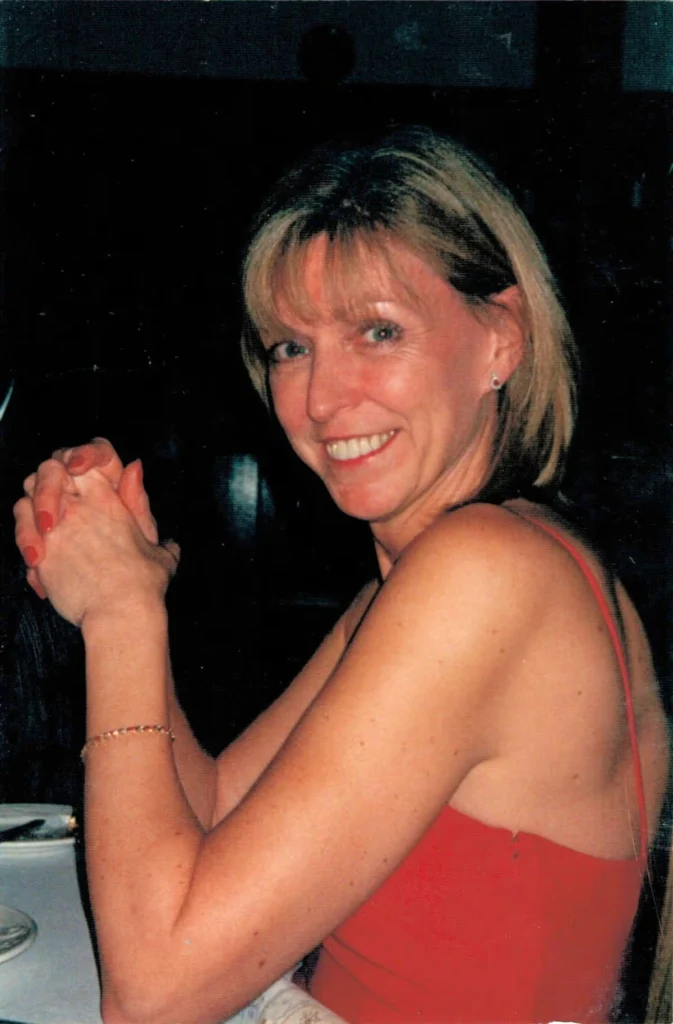
Sadie Hartley was born in 1955 and grew up in England. Friends and family remember her as caring, gentle and full of life. Over the years, she had built a loving family and a thriving career.
She co-founded Hartley Taylor Medical Communications, in 2000, with her best friend, Julie Taylor.
Passionate about medical science and tireless in her work, she wanted to advance it through new technologies, and she devoted her professional life to organizing conferences and projects aimed at improving treatments in intensive care medicine, the care of critically ill patients.
She also worked to fight some of the most difficult diseases in the fields of hematology, the study of blood and its disorders, and infection. Julie recalls that Sadie could hardly ever stay away from work, even in the period just after her children were born.
She was still building the business she had founded when she died, and the projects she was working on were left unfinished.
Her two children, Charlotte and Harry, had grown up and moved out of the village by 2016, but they stayed very close to their mother. One day before her death, Charlotte telephoned with the news that she had become engaged.
Charlotte was on holiday in Hawaii at the time, and she learned of her mother’s death about three days after the engagement. Sadie was delighted and immediately began sharing ideas for the wedding. She was still planning for the celebrations on the day she died, and she did not live to take part in them.
Ian has described Sadie as “kind, loving, thoughtful, intelligent and the best friend anyone could have.”


Recent Comments